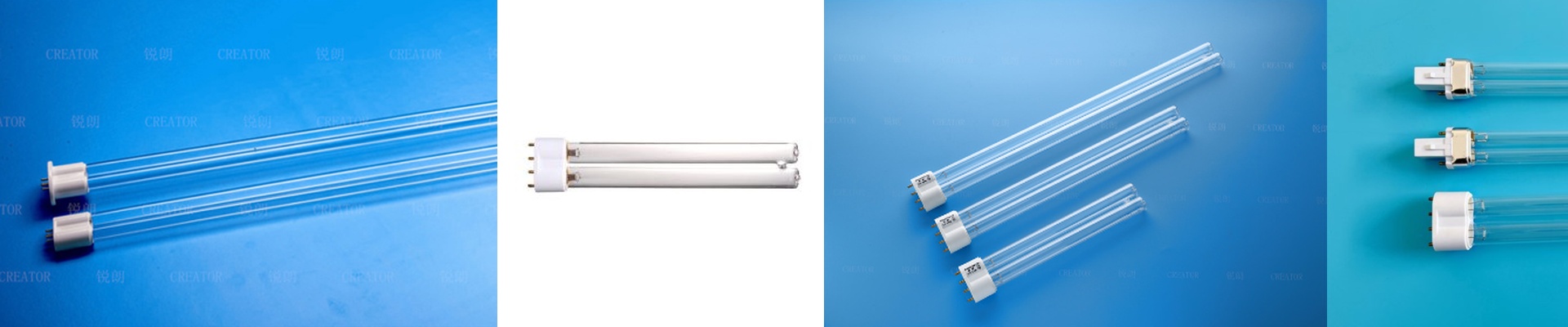
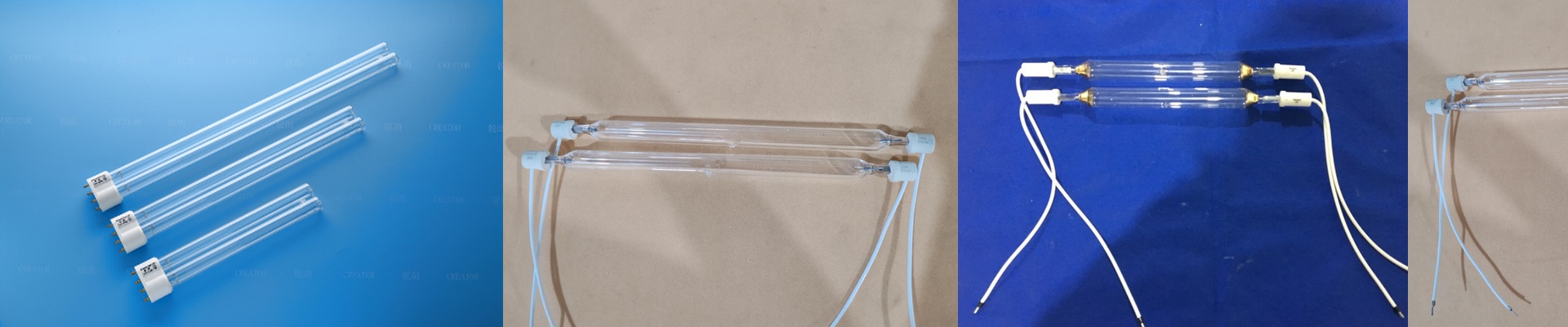
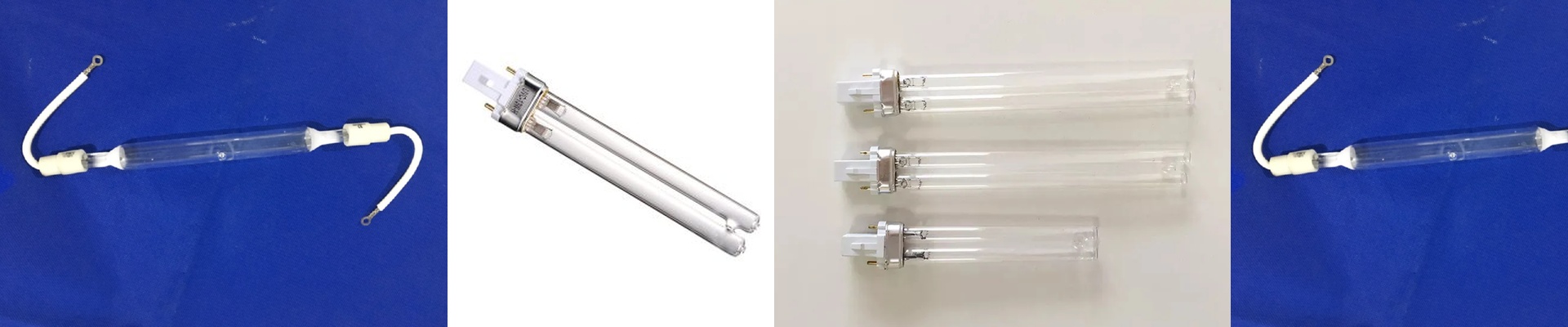
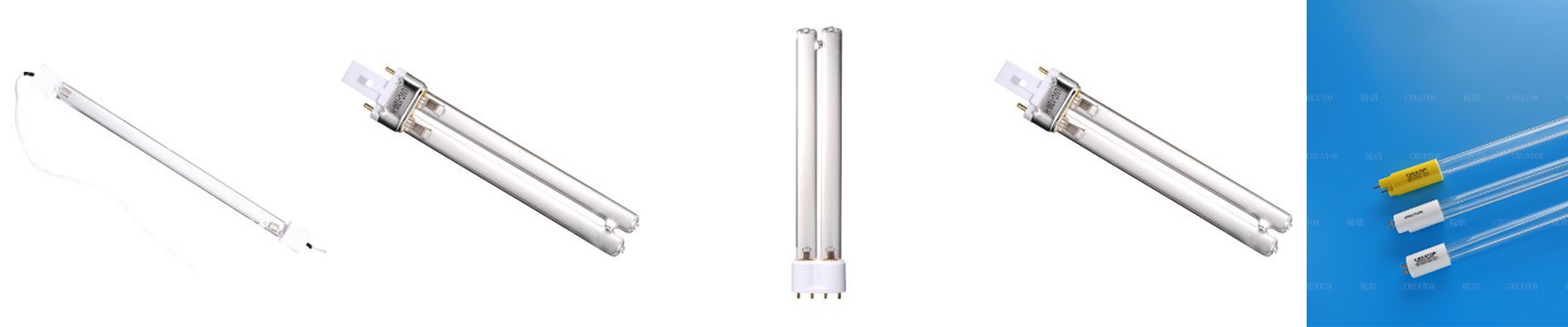
Why we do everything ourselves (and why it helps you)
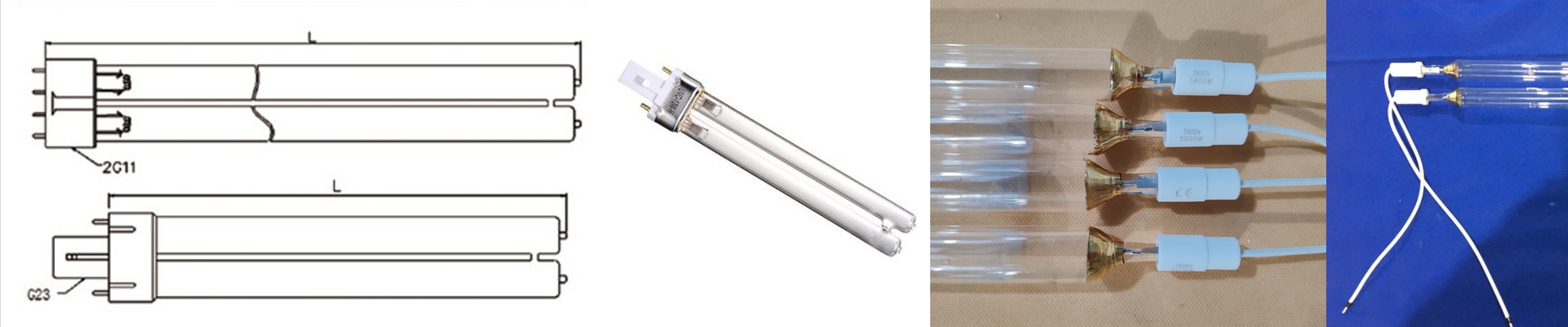
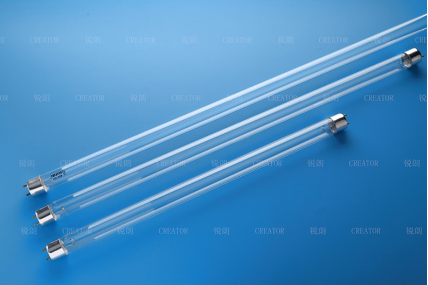
We handle the entire production chain for our UV and IR lamps. No middlemen. No extra markups just because some distributor wanted a cut. We keep things simple: the price you pay reflects the actual cost of the materials and the hard work that goes into making them. If you’re planning for 2026, you’ve probably realized that the cheapest lamp on the shelf isn’t actually the cheapest option. The real number that matters is how much it costs you per hour of operation. The math of making lamps Cutting costs isn’t magic; it’s about how you source your stuff. We buy high-purity quartz and rare earth phosphors in bulk to keep prices from jumping around. But the real win is having the glass blowing and electrode sealing all under one roof. When you move fragile tubes from one factory to another, things break. By doing it all here, we stop the waste. Fewer broken tubes means lower overhead, and that savings goes straight to you. The heat struggle Here’s the tricky part about high-wattage UV lamps for curing or sterilization: heat. It’s a constant tug-of-war. You want more wattage to get a stronger UV output, but that makes the quartz envelope get incredibly hot. If your cooling system can’t keep up, the lamp is going to burn out way too soon. We spend a lot of time tweaking the electrode materials and the gas fill. The goal is a lamp that stays powerful without spiking the temperature and killing itself in the process. No more waiting six weeks Global shipping is a mess. Relying on “just-in-time” delivery for specialized lamps is a gamble you don’t want to take. That’s why we keep a buffer of pre-assembled parts ready to go. When a lamp on your production line pops, you don’t have time to wait six weeks for a custom quartz pull. You need a replacement now. We give you the straight technical data—voltage, current, spectral distribution—so you can just wire it up and get back to work. No guesswork. No headaches. Just a line that’s running again.