Stop the Static: Dealing with Electrical Noise in UV Curing
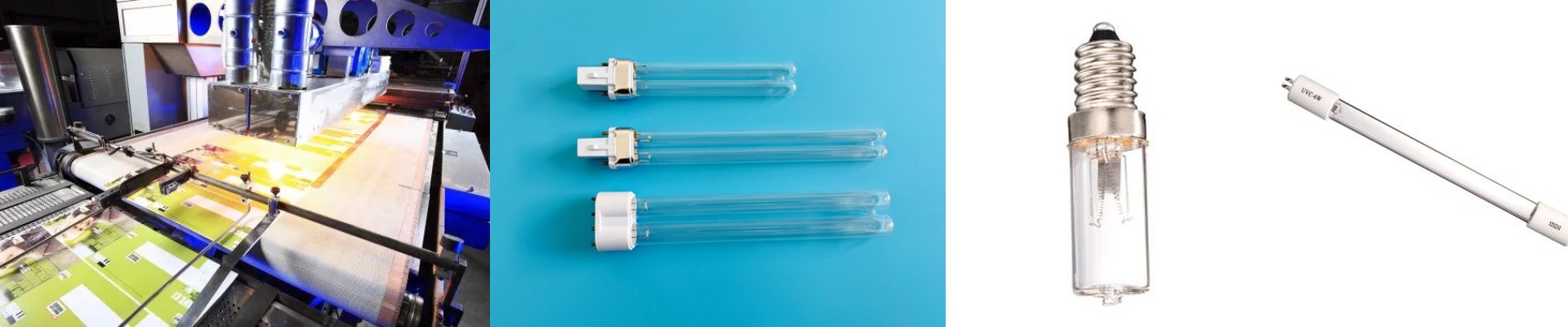
If you’ve got a few large-scale printing presses running in one shop, you know it’s a loud place. I don’t just mean the noise you can hear—I mean the electrical chaos happening behind the walls. Our 120W/cm mercury UV lamps are absolute workhorses, but there’s a catch. The high-frequency power supplies they need can leak electromagnetic interference (EMI) all over your line. It’s a nightmare. One minute everything is fine, and the next, a sensor trips or your PLC glitches out, and suddenly your whole operation is at a standstill. The deal with 120W/cm We stick to 120W per centimeter because that’s what it takes to get those inks to dry fast. But to make that work, the arc has to stay stable. If the ballast is off or the lamp’s chemistry isn’t quite right, you get flicker. Now, flicker isn’t just annoying to look at. It actually messes with your cure, leaving you with uneven results across your substrate. Not a great look. How we keep things quiet We build our lamps to survive the madness of a crowded factory floor. Most UV lamps fall apart in these environments because they aren’t shielded right or the impedance is a mess. We focus heavily on the stability of the arc. The goal is to make sure the lamp doesn’t act like a giant antenna picking up every bit of electrical noise in the room. This means your output stays rock-solid, even when three or four presses are hammering the power load at the exact same time. The honest trade-offs Look, getting this kind of stability requires a bit of effort on your end. First, your grounding has to be perfect. If your shop’s grounding is sloppy, even the best-shielded lamp in the world is going to struggle. Then there’s the heat. Pushing 120W/cm gets hot. Really hot. If you try to cut corners on your cooling fans or your chilled water loops, you’re just going to burn out your electrodes early. My best advice? Put these lamps on their own dedicated circuit. Keep the signal clean. It’s the only way to actually get the performance we’ve engineered into the glass.