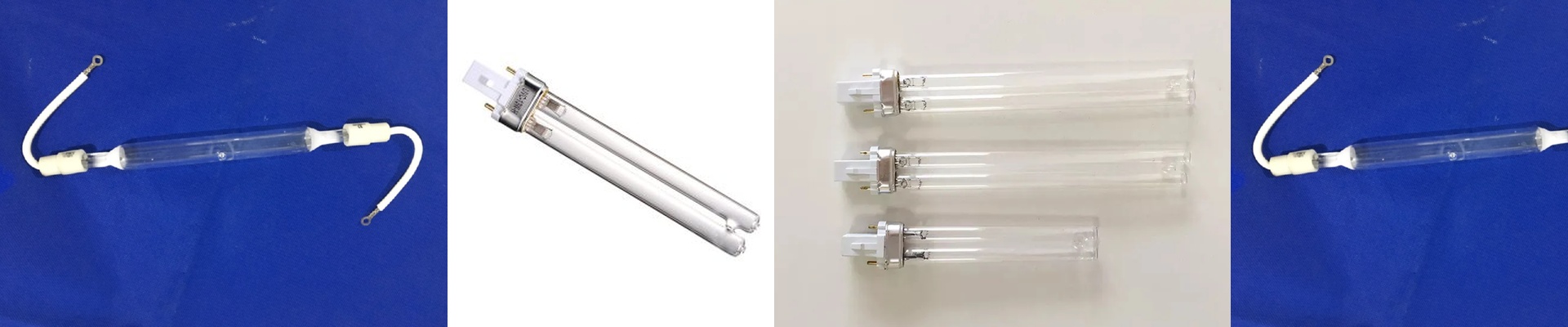
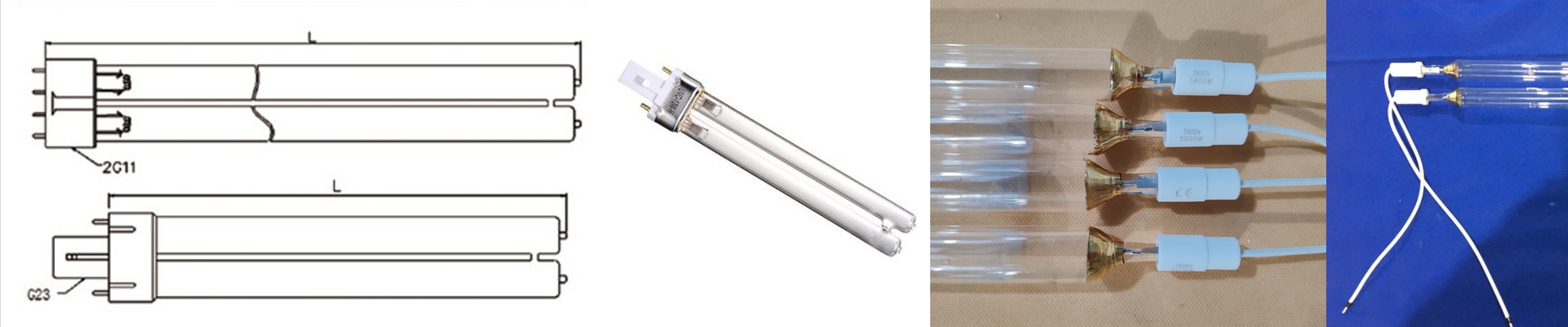
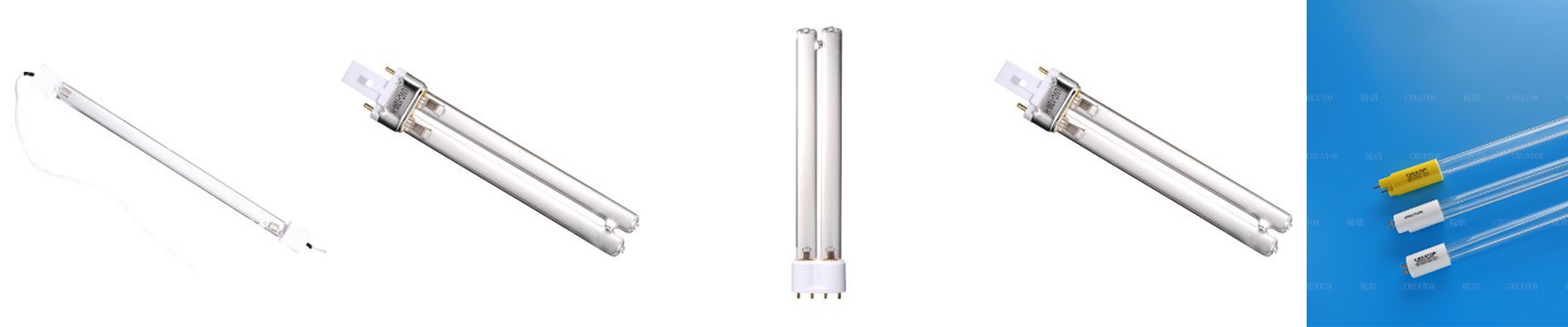
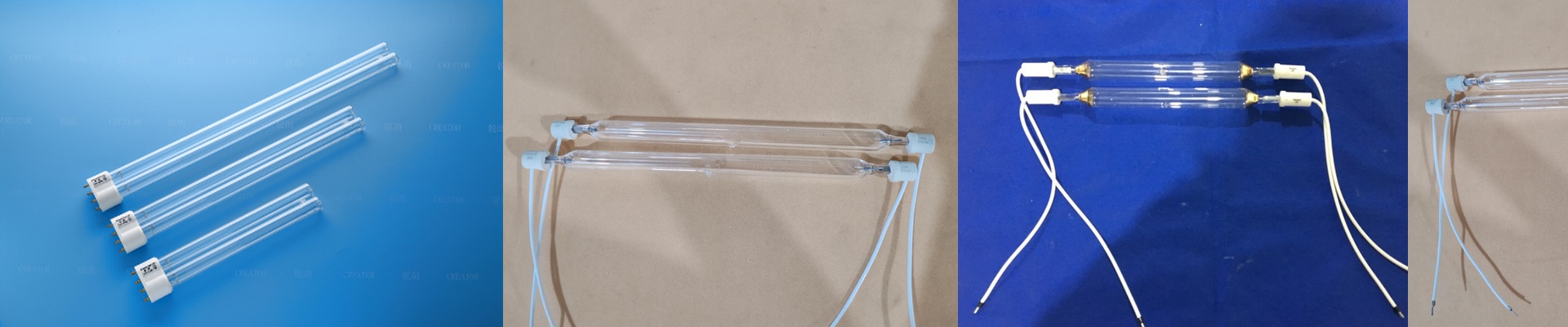
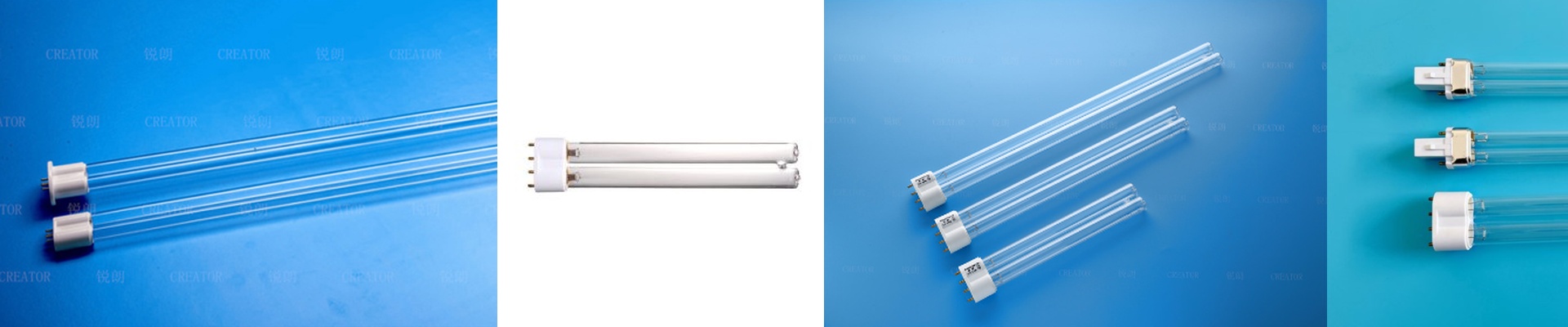

When a UV lamp won’t strike on press, it’s not just downtime. You’re burning substrate, you’re interrupting the cure, and you’re throwing the whole line out of balance while everyone scrambles. More often than not, the lamp itself isn’t the problem. It’s a mismatch between the trigger and the lamp, buried in the electrical train.
What actually matters under the hood
A 365nm UV curing lamp is a high-pressure mercury vapor discharge device. Getting it to arc means delivering a trigger pulse that hits the required kV without exceeding the lamp’s dielectric limits. We match the trigger profile to the lamp’s internal construction and electrode geometry so the arc lights clean on the first try. Peak irradiance at the substrate plane has to hit the photoinitiator absorption window with enough energy density (mJ/cm²) for full cross-linking, while keeping ozone-free operation with a controlled short-wave cutoff. The reflector uses a dichroic coating to shape the spectral output and cut wasted IR, which improves electrical-to-UV conversion efficiency.
Why this matters on the floor
In UV offset, flexo, and screen lines, the 365nm band gives you fast surface cure and solid through-cure with standard ink formulations. When the trigger and lamp are properly matched, startup is stable, repeated ignition attempts disappear, and you stop beating up the lamp with voltage stress. The payoff is consistent dot reproduction, fewer web breaks, and predictable lamp life. You also pull less energy because the reflector and spectral control reduce heat and put usable UV where the ink needs it.
The shop-floor checklist
Match the trigger to the lamp’s rated power, arc length, and connector type. Confirm the ballast and ignitor are compatible—mismatched impedance causes erratic starts and chews up the electrodes faster. Measure output with a spectral radiometer at the substrate plane, and make sure the lamp housing has proper airflow and thermal protection. Expect peak irradiance to dip a bit as lamp temperature climbs—plan your dwell and intensity accordingly.