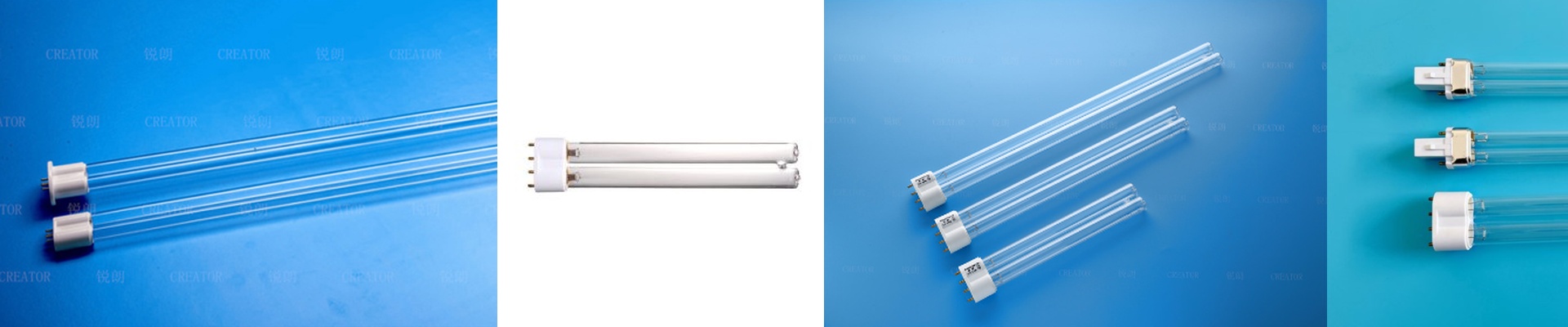
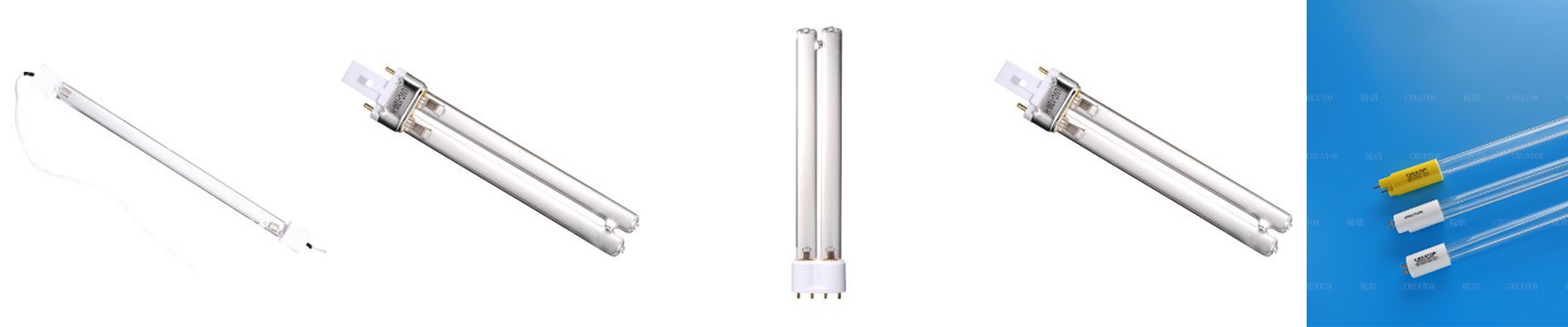
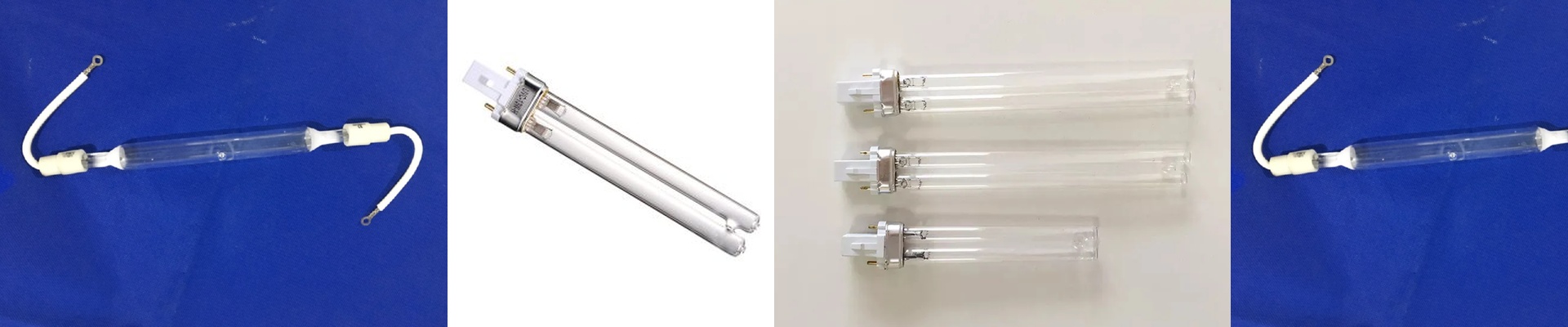
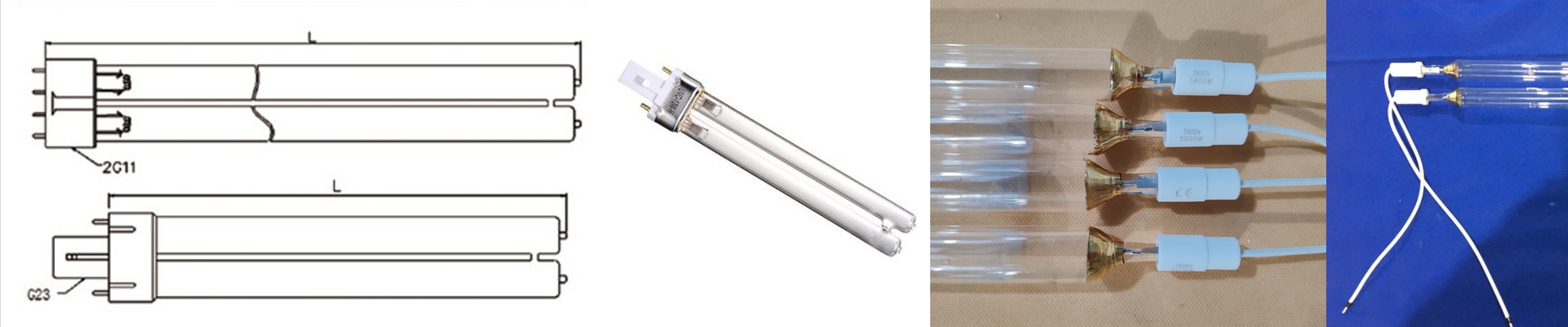
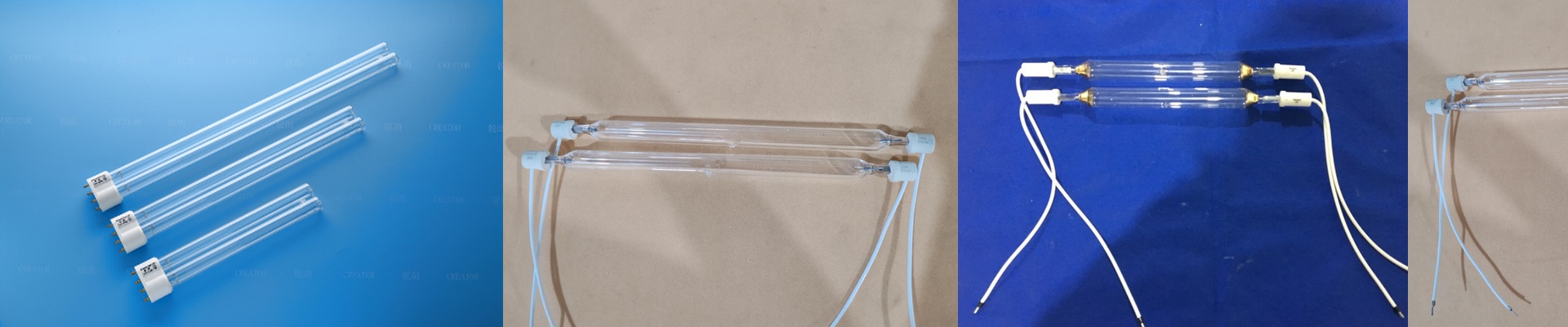
On the press floor, a job either runs clean or ends up in the scrap bin—and a lot of that comes down to one number: spectral energy concentration. We set our UV curing lamp to hold the main output band within 0.5% tolerance for a reason. In high-speed offset, flexo, and screen work, a small drift in the 365nm peak irradiance can leave ink uncured. Or it can scorch the substrate. Neither outcome is acceptable. What actually matters under the hood We started with a high-pressure mercury vapor lamp, tuned for stable output across the UVA spectrum. The focus is tight control at 365nm, with solid secondary lines at 313nm and 395nm. The reflector uses a dichroic coating to shape the spectral output and drive more photons into the photoinitiator window. At the focal plane, peak irradiance exceeds 12 W/cm². The system is engineered to deliver consistent energy density—typically 800–1200 mJ/cm² at the substrate—so cross-linking finishes at press speed without overexposing the sheet. Ozone-free operation keeps the area clean, and repeatable arc stability holds lamp-to-lamp variation below 2%. Why this matters on real work This precision is exactly what you need when you’re running hybrid ink sets, laying down thick screen deposits, or curing on heat-sensitive films. When spectral energy concentration stays tight, the ink cures at the speed you designed for. You see fewer pinholes, better adhesion, and less dot gain. Throughput goes up because the lamp supports faster line speeds without driving temperature higher. And lamp life holds up—units routinely clear 5,000 hours with less than 5% output drop. Fewer changeouts, less downtime, and curing performance that stays predictable shift after shift. What you need to get right on install Installation comes down to alignment: hit the reflector focal plane exactly, and match reflector geometry to your curing module. Output is sensitive to reflector cleanliness and lamp position—move the lamp by 1 mm, and you can measurably drop irradiance at the substrate. Make sure the power supply matches the lamp’s arc characteristics, and that the curing chamber has adequate cooling. Stable junction temperature is a must to keep spectral output consistent.