Introduction
Motion-sensor UV sterilization is supposed to be fast and ready the moment you need it. But it all falls apart when the trigger and the lamp aren’t on the same page. Here’s the reality we build around: the ignition circuit and the UV lamp have to act like one unit. When their electrical personalities clash, you get startup failures, lamps that die early, and output that’s all over the place.
The Power Behind the Light
We match the UV lamp to the exact ballast and trigger profile of the motion sensor. How it works: a high-voltage jolt strikes the arc inside the tube, then settles into a steady, stable rhythm. But if the lamp is rated for 400V and the trigger is designed for a lower threshold, that arc never forms reliably. It’s like trying to start a car with a weak battery—you just get a sputter instead of a roar.
Size, Wattage, and Heat
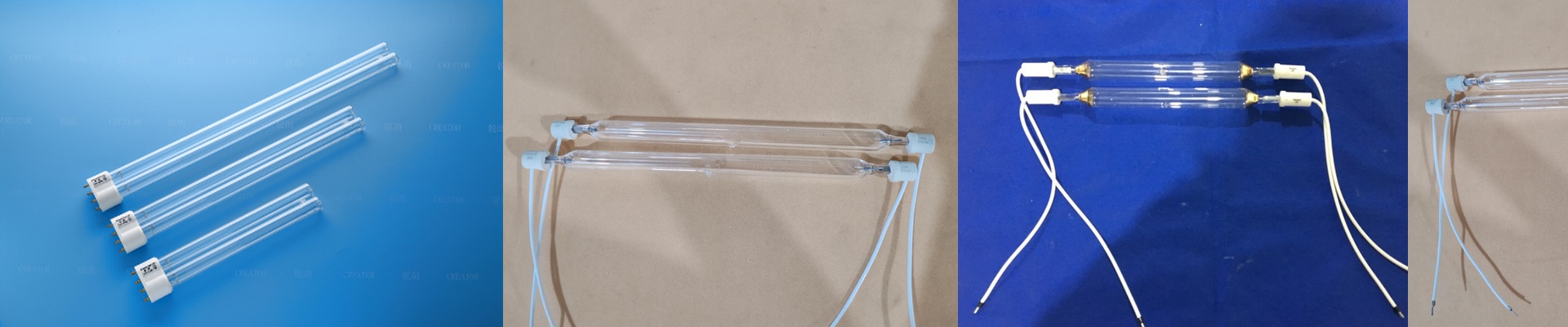
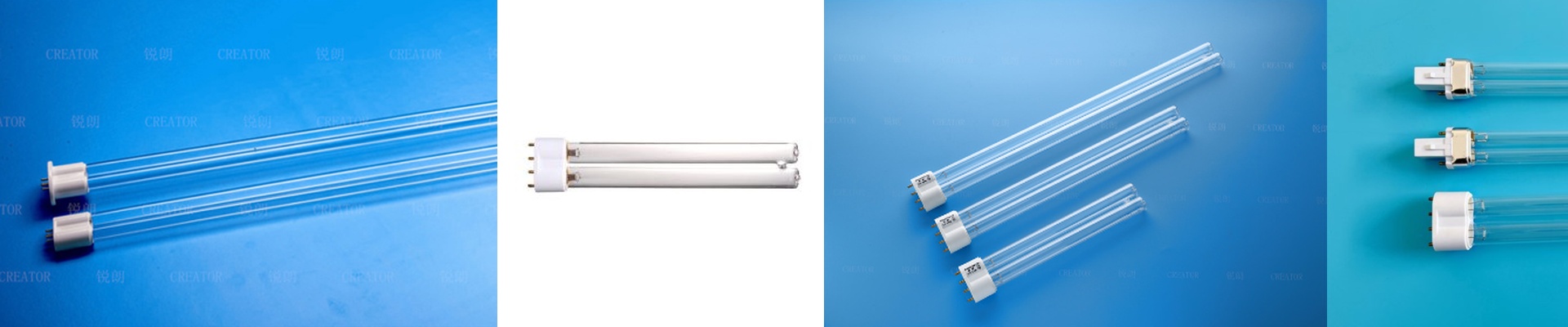
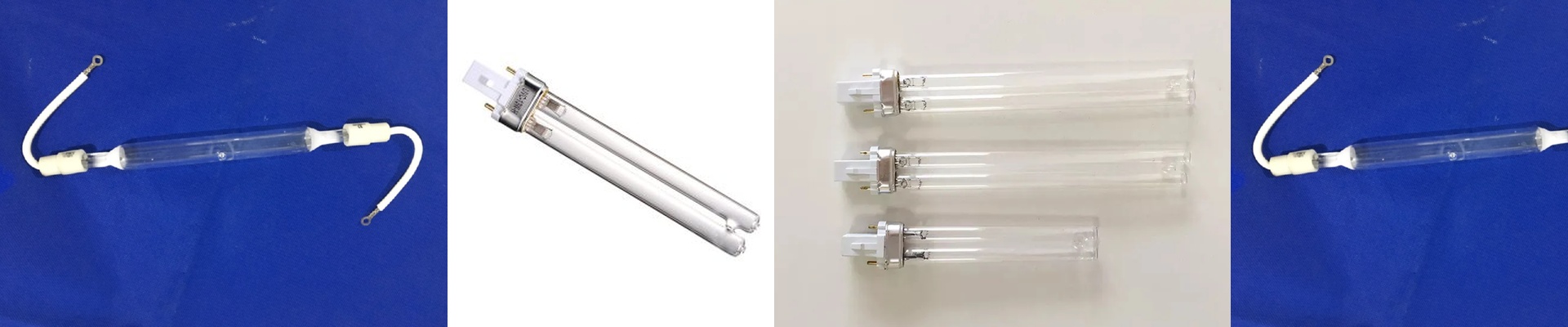
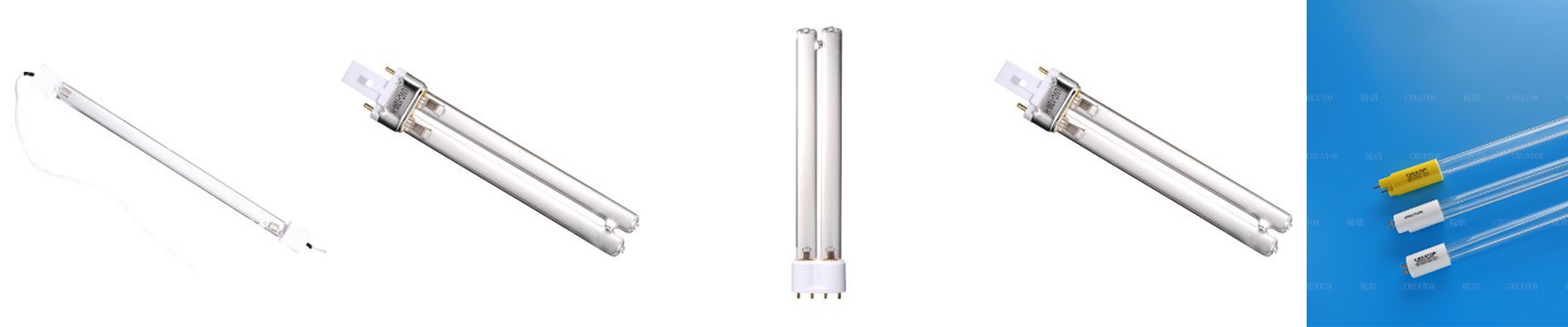
Tube length and wattage set the heat and UV intensity. We use a 300mm tube because it fits into compact spaces while still giving you enough active length for real disinfection power. Wattage is chosen to match the power supply and the fixture’s thermal limits. Underpower it, and the output is weak. Overpower it without proper cooling, and you’re pushing the lamp and wiring past their safe limits.
The Build: Coating, Quartz, and Connections
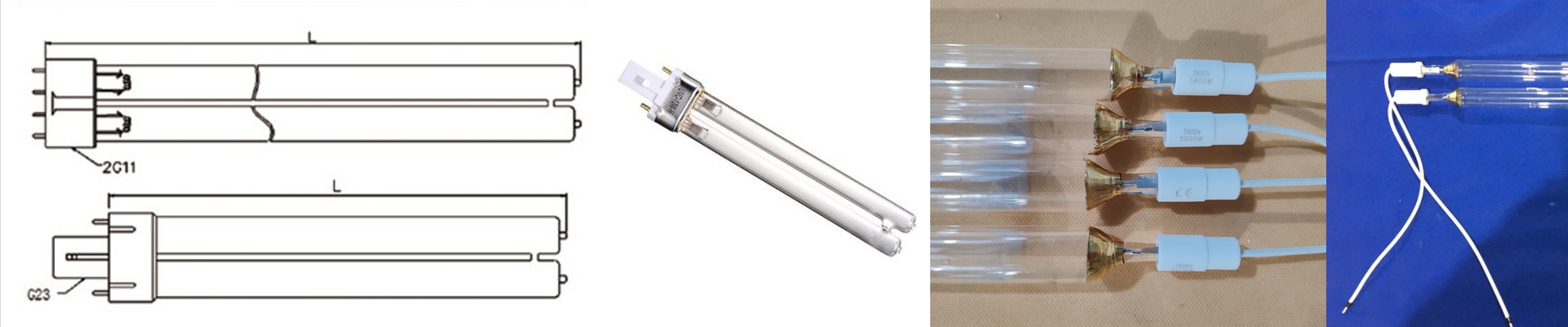
These lamps run hot, and they cycle on and off constantly. That’s why we use quartz envelopes—they handle thermal shock far better than glass and stay steady in the UV band. Inside, the coating keeps the arc stable and shields the filament and electrodes from the wear and tear of repeated start-ups. And the connector? It matters more than you’d think. The R7s base gives you a direct, solid electrical fit with good contact pressure. That means less resistance, no flicker, and an installation that just clicks—no adapters, no loose pins. In harsh environments, we pair that with tough ceramic insulators and high-temperature leads so the connection survives the constant heating and cooling.
What It Feels Like in Real Use
In motion-triggered sterilization, the lamp needs to strike instantly and hold steady. When the trigger and lamp are truly matched, you get a consistent start every single time—even with rapid on/off cycles. That means fewer maintenance calls and uptime you can count on. There is one catch: high heat density needs real cooling. The fixture has to be vented or thermally managed so the lamp, driver, and sensor electronics don’t overheat. When you spec the lamp and housing together, you get a drop-in solution that wires up clean, starts on demand, and keeps output stable over the long haul.