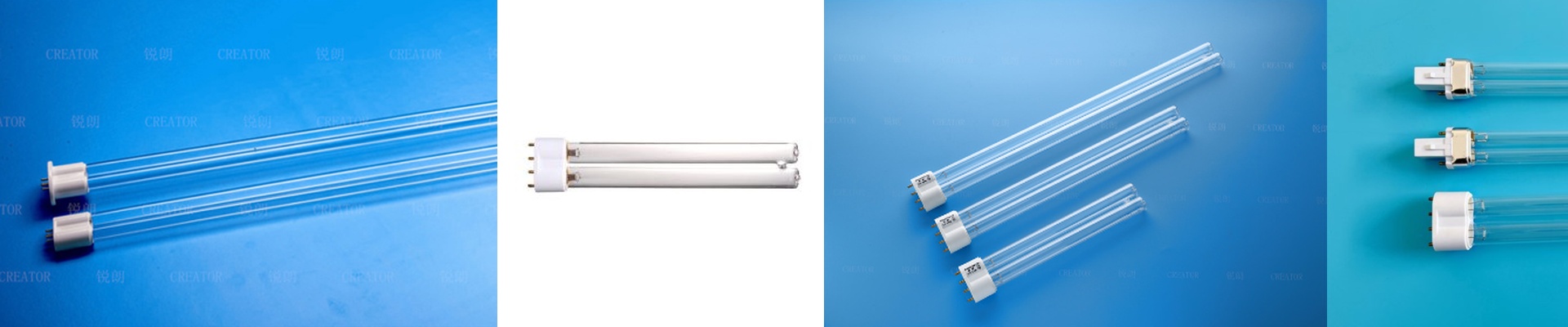
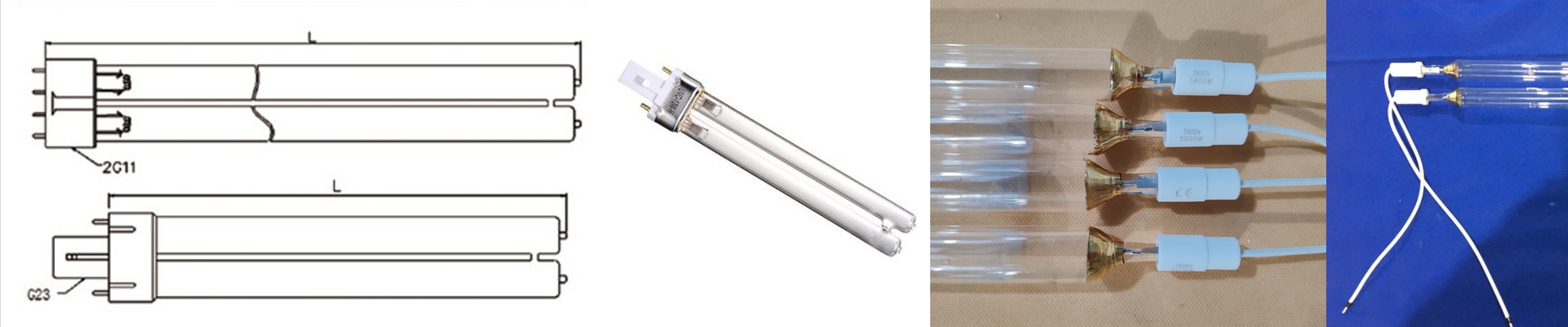
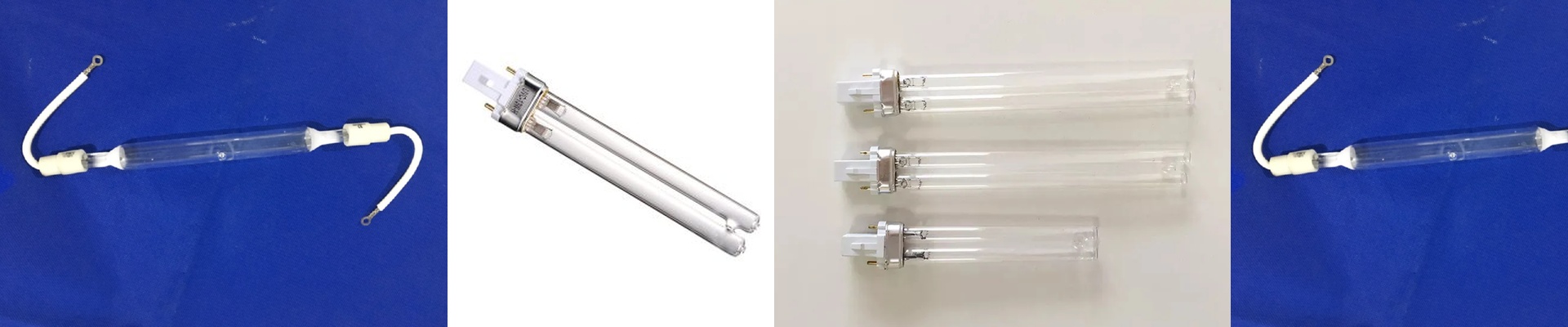
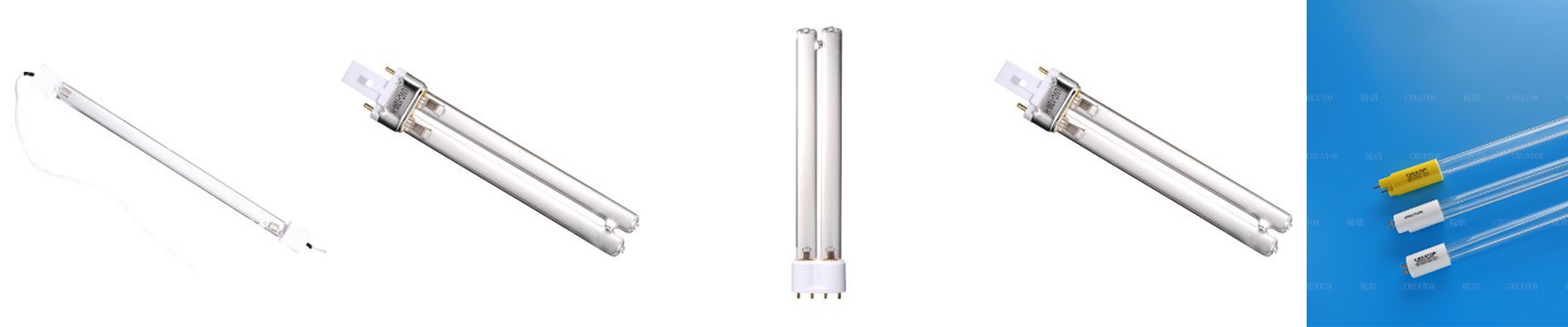
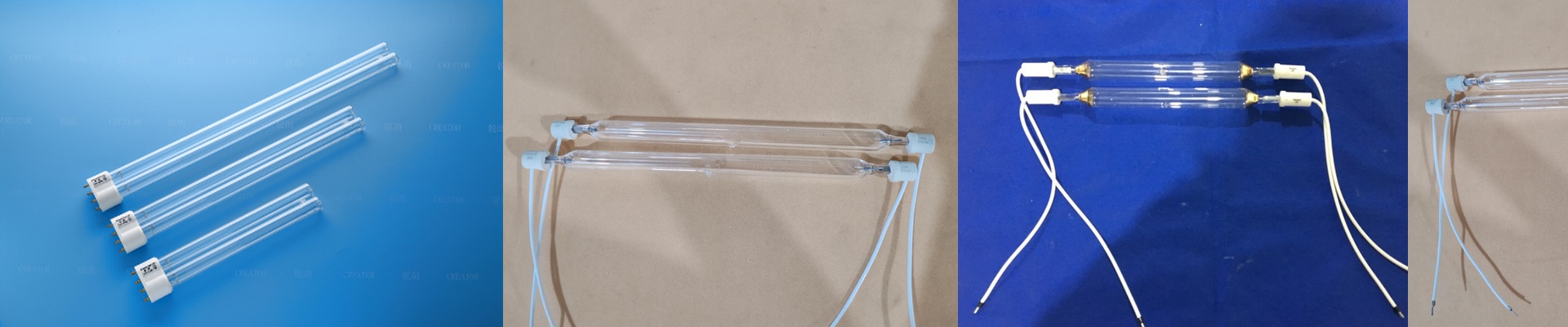
Getting the UV Spectrum Right
Look, we don’t just make lamps. We’re in the business of controlling energy. Lately, we’ve noticed a big shift. People aren’t just looking for “some UV light” anymore; they need extreme precision. The problem is that most lamps you buy off the shelf are messy. They bleed into spectrums you don’t want, which is a headache when you’re trying to hit a specific target molecule without accidentally melting your substrate.
The trick to wavelength control
If you need a dead-on peak—say, 253.7nm for killing germs or something specific for industrial curing—it all comes down to two things: the gas mix and the quartz. We use high-purity synthetic quartz. Why? Because cheap glass drinks up the UV before it even gets out of the tube. If your quartz is off, you’re basically throwing away 20% of your power as wasted heat. We also obsess over the pressure inside the arc tube. We keep that spectral line tight so the lamp doesn’t start drifting as it gets older. It stays consistent.
Dealing with the heat
Here’s the trade-off: when you cram more wattage into a smaller space, things get hot. Fast. You get that powerful UV-C output you want, but the heat density spikes. That’s where you have to be careful with your cooling fans or water jackets. If your airflow slips, the quartz can actually warp. Once that happens, your wavelength shifts, and suddenly your whole process is a mess. To stop the lamps from burning out at the ends, we use specialized electrodes. It just makes them last longer.
Why this actually matters
You see this play out in the big leagues—think semiconductor lithography or medical sterilization. In those worlds, “close enough” isn’t good enough. If you drop in a replacement lamp that isn’t tuned to the exact nanometer, you’ll end up with under-cured parts or surface damage. We build these to tight tolerances so you can just wire them up and forget about them for 10,000 hours. When the wavelength stays locked in, your yield stays high. It’s that simple.