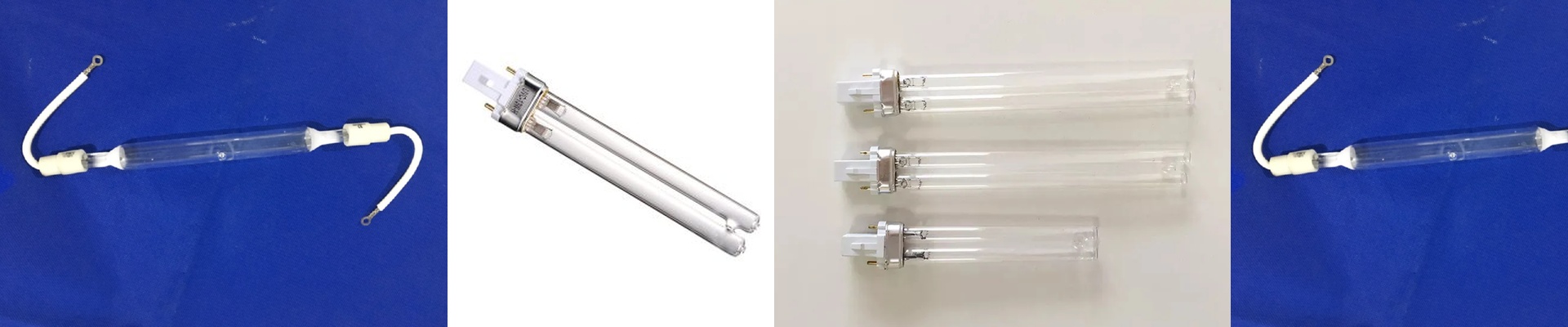
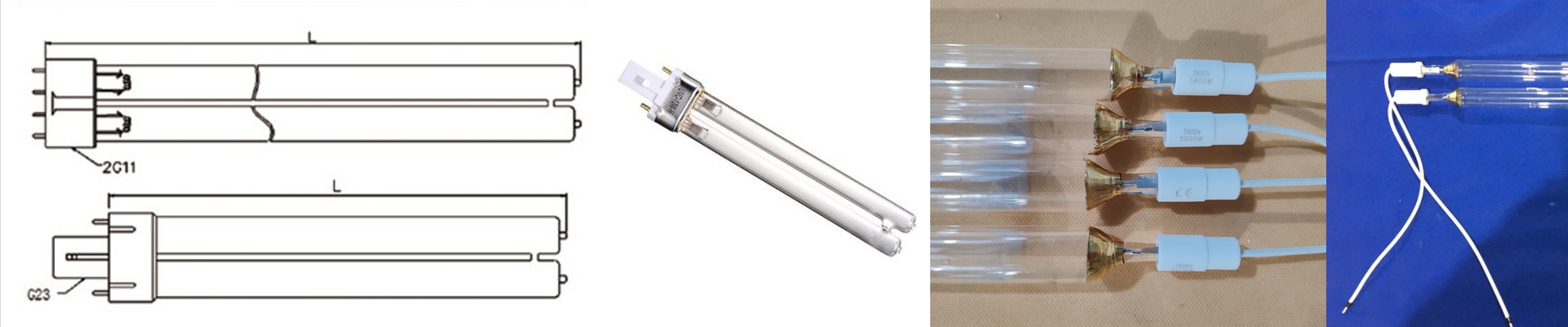
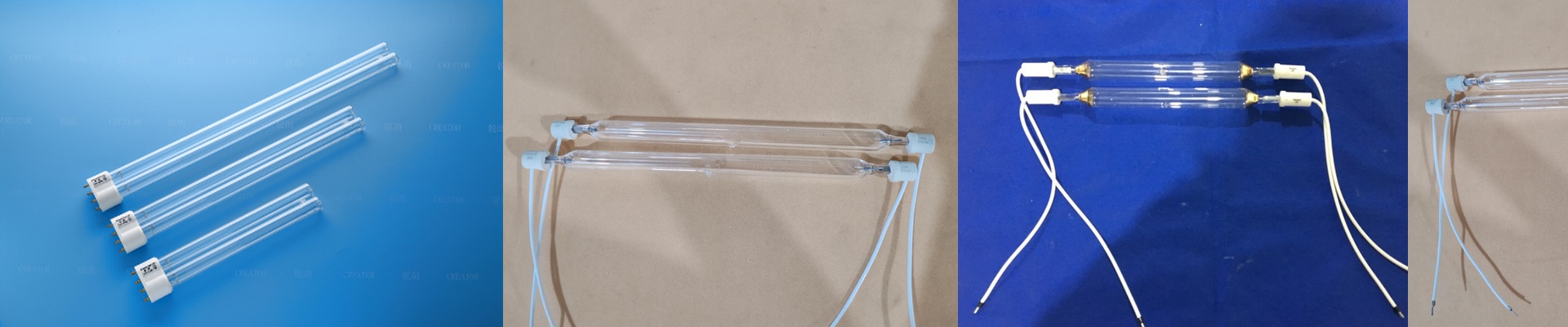
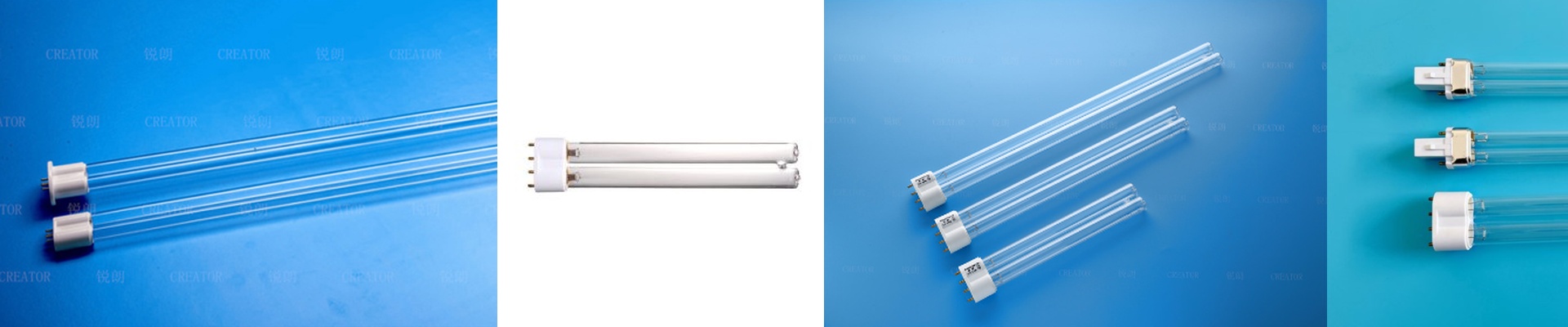
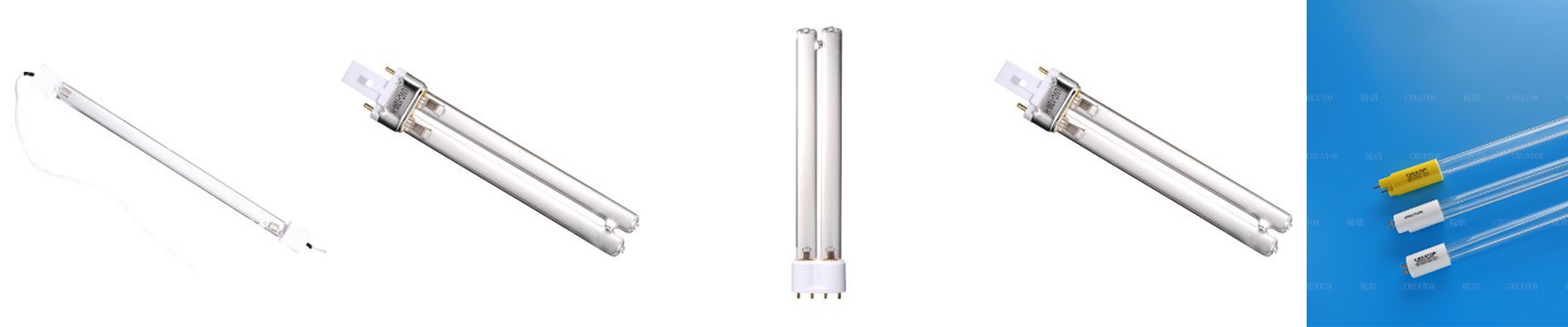
Outdoor billboards and banners don’t fail because of UV. They fail because the spectrum is wrong. When you’re running solvent-free UV inks on canvas, the photoinitiator package is tuned to a specific wavelength. Match the lamp spectrum to the ink chemistry, and you get cross-linking that holds up for years in the sun, rain, and thermal cycling. The UVA/UVB/UVC difference isn’t academic—it’s right there in the spectral output. UVA (315–400 nm), peaking around 365 nm or 385 nm, penetrates the ink layer. It cures the bulk without surface quenching. UVB (280–315 nm) brings higher photon energy at the surface, so it speeds up cure on oxygen-inhibited films. But it gets absorbed by quartz, and you have to keep reflector control tight. UVC (100–280 nm) is germicidal and makes ozone. It doesn’t do anything useful in graphic arts curing, and it will chew up binders. For outdoor signage, you’re after stable cross-linking. So the baseline is a UVA-dominant lamp with a controlled emission profile and high peak irradiance. Outdoor canvas printing needs that UVA focus to build a fully polymerized film that survives weathering. In our accelerated QUV runs, prints cured with matched UVA systems keep gloss and color past 2,000+ hours with minimal fading. That translates to several years in the field. It’s about energy density at the right wavelength, not just raw lamp power. The equipment has to fit the press. Offset runs on medium-pressure mercury lamps with dichroic reflectors and consistent irradiance across the sheet. Flexo and rotogravure need focused, high-intensity UVA to handle thin films and high line speeds. Screen printing wants broad-spectrum UVA to cure thick deposits without pinholes. You can lean on UVB for thick whites, but it ages reflectors faster and demands strict lamp-to-substrate distance control. And always validate cure with a radiometer at the substrate plane, not at the lamp.