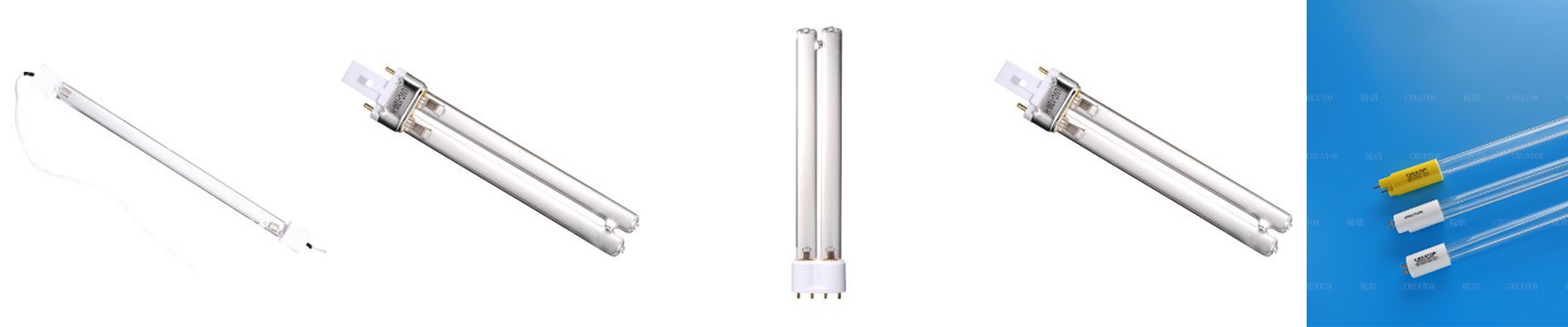
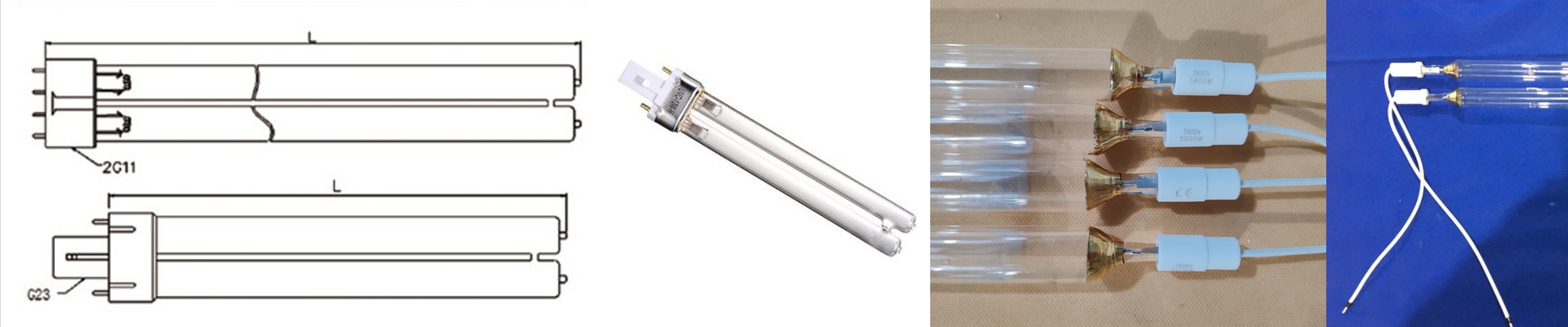
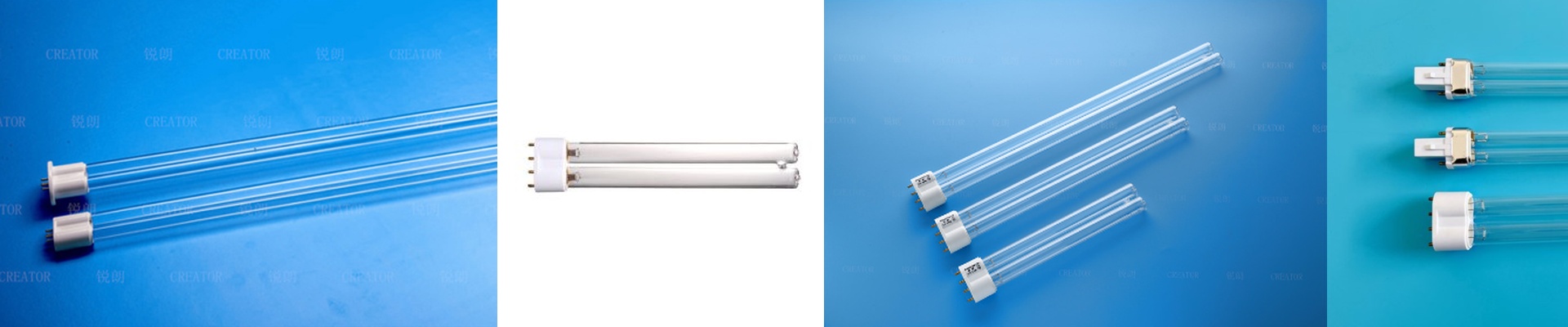
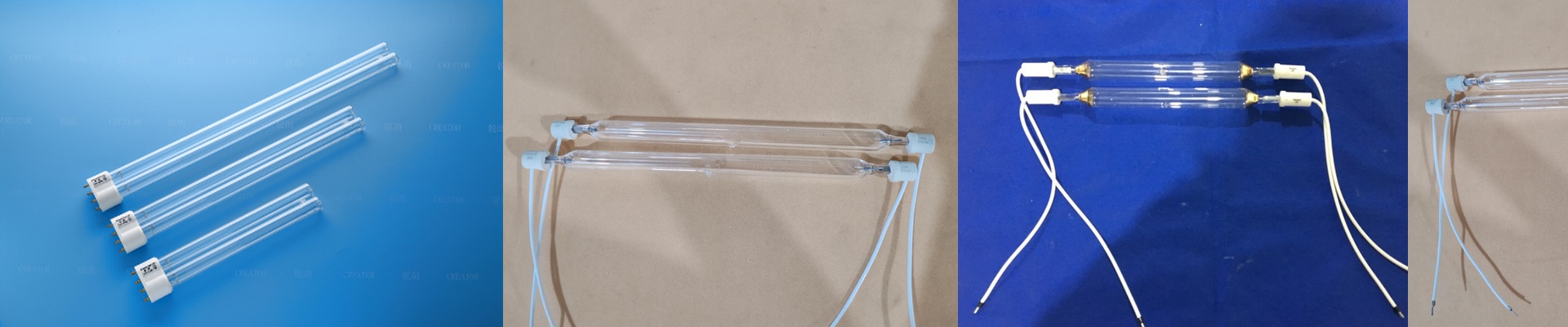
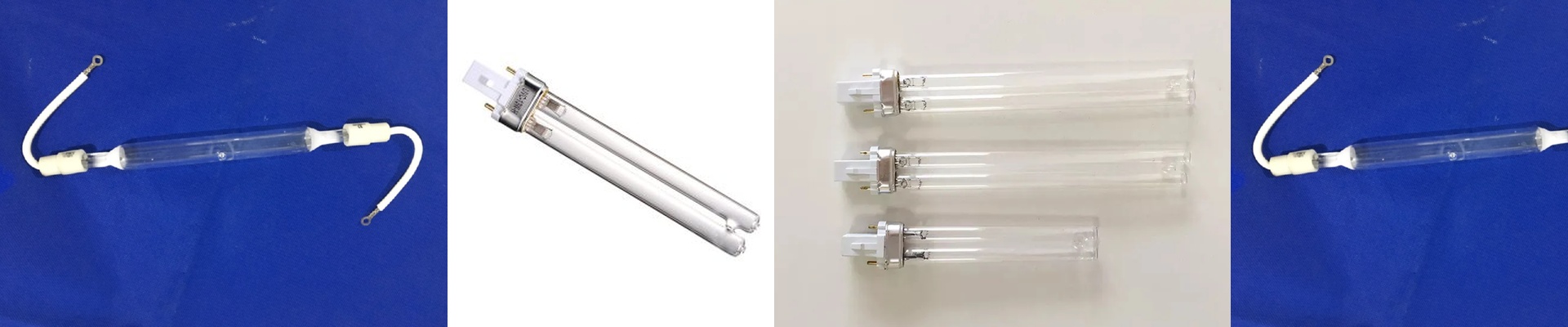
On the pet accessory line, microbial contamination isn’t a theoretical worry. It shows up as rejected batches, shelf life that falls short, and brand damage that costs far more to repair than prevention ever would. Pet toys, feeders, bedding, and carriers are built from mixed materials and packed with complex geometries that trap dust and organic residues. Chemical disinfection leaves behind odors, residues, and uneven results. A safe UVC germicidal lamp, built for industrial reliability, turns microbial control into a repeatable, auditable step in production.
What matters under the hood
UVC germicidal action isn’t a vague claim. It’s photon-driven: the 254 nm emission spectrum disrupts microbial DNA and RNA so organisms can’t replicate. In a manufacturing setting, the lamp has to deliver stable output, predictable behavior over its life, and consistent spectral performance—so every cycle matches the last. We build around a low-pressure mercury vapor discharge, tuned for a dominant 254 nm line with controlled output and minimal byproducts. The quartz envelope is chosen for high UVC transmissivity and thermal stability. Internal fill and electrode geometry are engineered to hold a stable arc. That translates into consistent irradiance across the target surface. These are the performance points you can measure and verify:
- Spectral output concentrated at 254 nm for direct germicidal action.
- Output stability: irradiance that holds across shifts, not a rollercoaster.
- Long life with low attenuation: we aim for extended service intervals and slow output decay.
- Ozone-free operation via envelope selection and coatings, so you don’t have to add ventilation to manage ozone.
- Repeatable start behavior and thermal management for high-duty-cycle use. In practice, that means you can set a defined dose for each product geometry, validate it once, and trust the lamp to hold that dose day after day.
Why this fits pet accessory manufacturing
The pet market rewards products that are clean by design. UVC germicidal treatment adds no fragrances, solvents, or residues. It gives you a clean, dry, fast disinfection step that slots into high-throughput lines without slowing them down. The competitive edge comes from making hygiene a measurable quality parameter. With a stable UVC source, you can:
- Reduce microbial load on finished goods without changing material feel or chemistry.
- Meet the hygiene expectations distributors and retailers increasingly require.
- Shorten finishing cycles compared to chemical methods that demand dwell time and drying.
- Provide a documented disinfection step that supports quality audits and compliance. We’ve seen teams integrate UVC right before packaging, with an exposure profile defined for each product. The payoff is fewer microbial excursions, more consistent quality, and a clear story for buyers: hygiene is engineered in, not sprayed on. This is also a practical way to add value without redesigning the product. A disinfection step can be positioned as a premium feature, supporting price points and differentiating your line in a crowded market.
The practical details
A UVC germicidal lamp is straightforward to integrate, but it demands discipline around safety, geometry, and maintenance. Safety isn’t optional. UVC is hazardous to skin and eyes. The lamp must be housed in a shielded fixture with interlocks that prevent exposure during operation, and staff must use proper PPE during maintenance. Never run an unshielded UVC source in an open work area. Geometry sets your dose. Effective disinfection depends on irradiance, exposure time, and distance. Materials, surface texture, and product orientation all shift the outcome. Map the field, verify coverage, and set fixtures so every target surface gets the required dose. Orientation and environment matter. Keep the lamp clean and dry. Oils from fingerprints and airborne residues cut UVC transmission. Use clean handling and schedule routine fixture cleaning. Avoid mounting that traps heat or blocks airflow—thermal management directly affects output stability and lifespan. Expect the real-world trade-off: lamp output declines with cumulative operating hours. Plan preventive replacement based on duty cycle and validated output measurements. Keep a calibration log and use a radiometer to confirm irradiance at the target plane. Don’t rely on calendar time—measure performance. Finally, make sure it fits your line. The lamp needs to match your fixture footprint and power constraints, and the shielding and interlocks must align with your safety design. We supply dimensional data, mounting guidance, and electrical specs so integration is clean, with no guesswork. If you’re running pet product lines and need disinfection that’s repeatable, residue-free, and auditable, a safe UVC germicidal lamp puts control in your hands. Set the dose, verify it, and run.