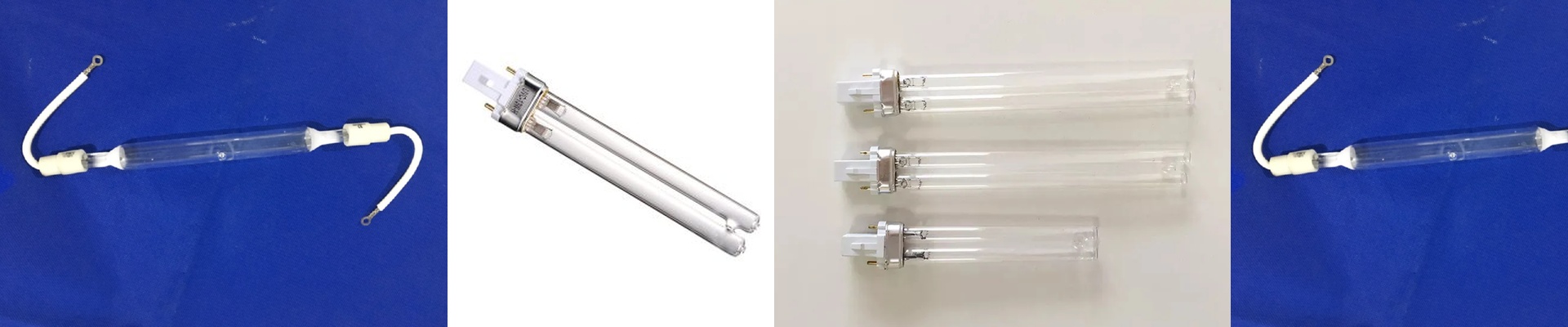
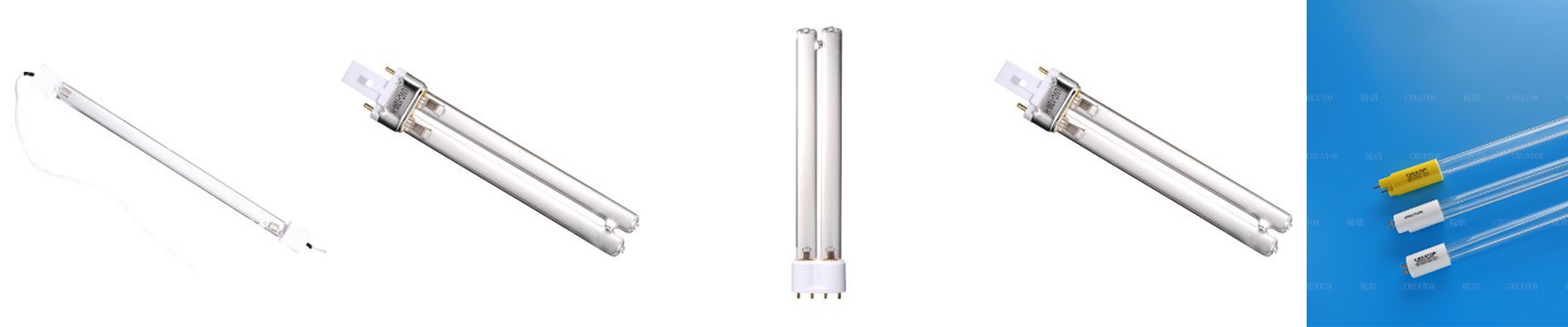
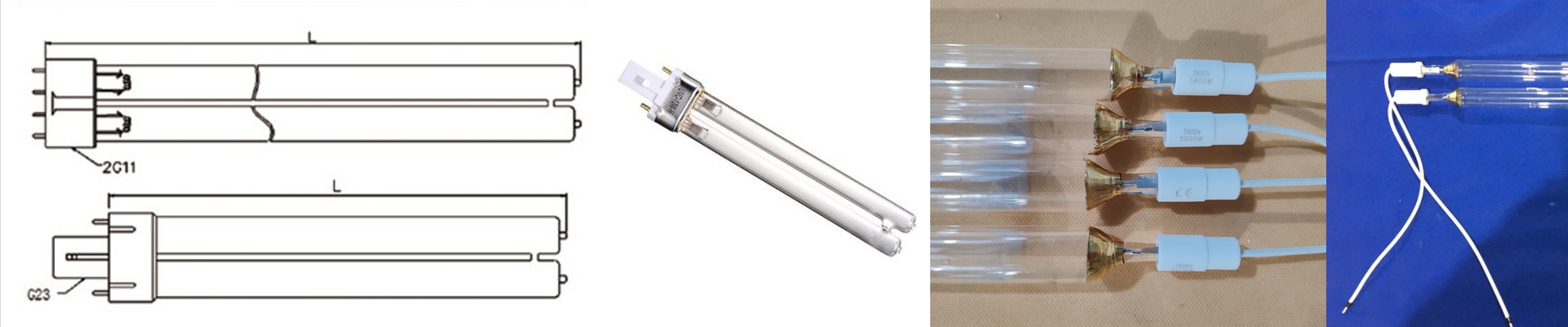
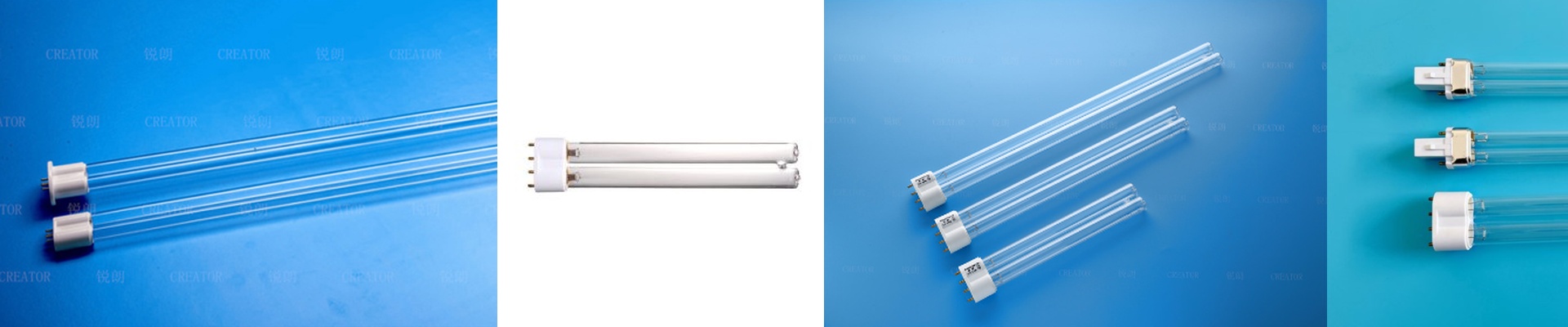
Getting Your PCB Yield Right with Gallium Iodide UV Lamps
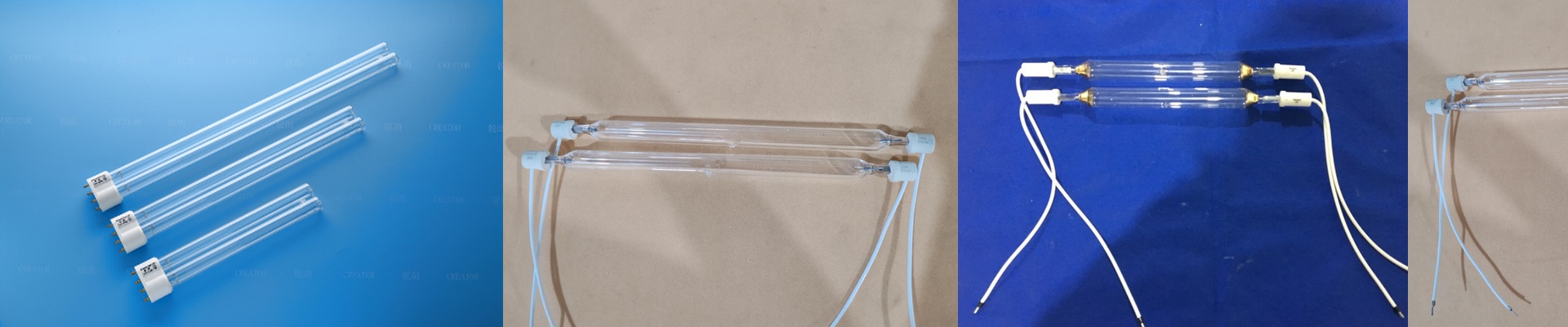
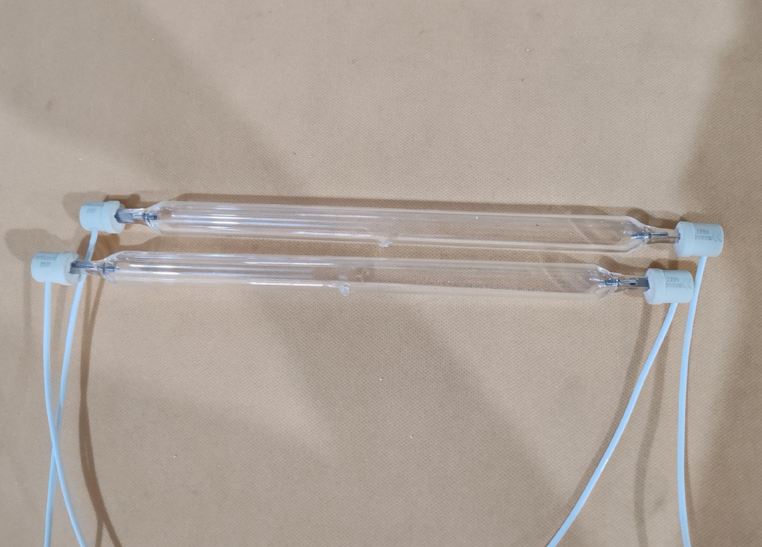
If you’ve spent any time in PCB fabrication, you know that the curing and exposure stages are where things either go perfectly or go south. Your line yield basically lives or dies by the spectral output of your UV source. That’s why we use Gallium Iodide (GaI) lamps. Standard mercury lamps just don’t hit the specific wavelengths you need. GaI lamps give you that targeted energy to cross-link polymers in your photoresists without cooking the substrate. The heat is the tricky part. These lamps peak in the UV-A and UV-B ranges. We tune the gas mixture so the wavelength matches your photoresist’s sensitivity perfectly. You get a tighter, cleaner cure. But here’s the catch: they run hot. Really hot. If you crank up the wattage to push more boards through the line, you can’t skimp on the cooling. Make sure your fans and heat sinks are up to the task, or you’re looking at thermal stress that can crack the lamp envelope. Not a fun day at the office. Why we obsess over patents (and why you should too) When you’re sourcing lamps for factories all over the world, “generic” feels like a safe, cheap bet. It isn’t. We build our lamps with our own proprietary electrode shapes and quartz blends. We have the patents to prove it. This isn’t some marketing pitch. It’s about avoiding a nightmare at the border. If you ship machines with “copycat” components into the US or EU, customs can seize your hardware for IP infringement. It’s a massive headache. By using a supplier with their own patent portfolio, your hardware is a legal drop-in. You can sleep easy knowing your shipment won’t get held up because a competitor claims your lamps are a rip-off. Keeping things running We designed these for quick swaps. Most of our GaI tubes use standard footprints, so you aren’t spending your afternoon rewiring a whole rack just because a tube burned out. One last tip: keep an eye on your ballast settings. If the voltage is even slightly off, you’ll either kill the tube’s lifespan or shift the spectral peak. That leads to under-cured boards, and nobody wants to deal with that.