How to Actually Build Your Own UV Curing Lamp Brand
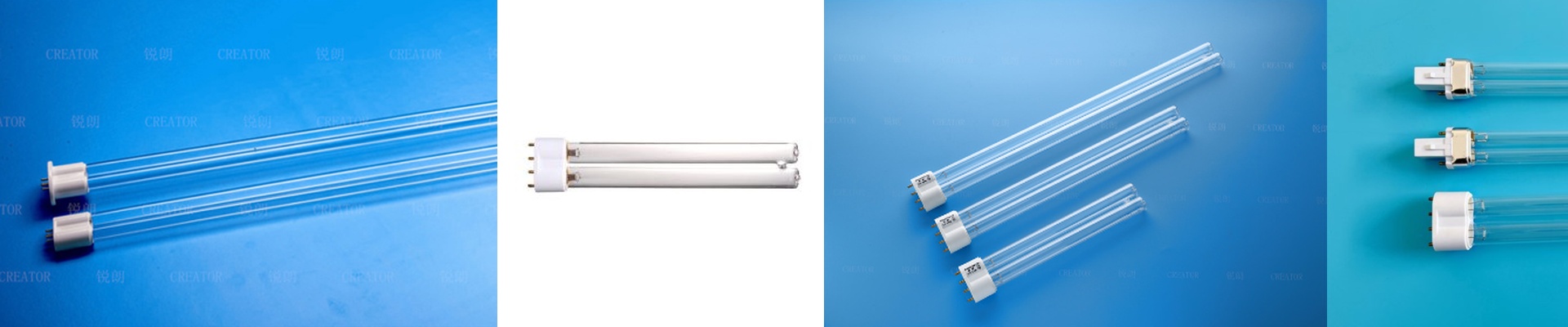
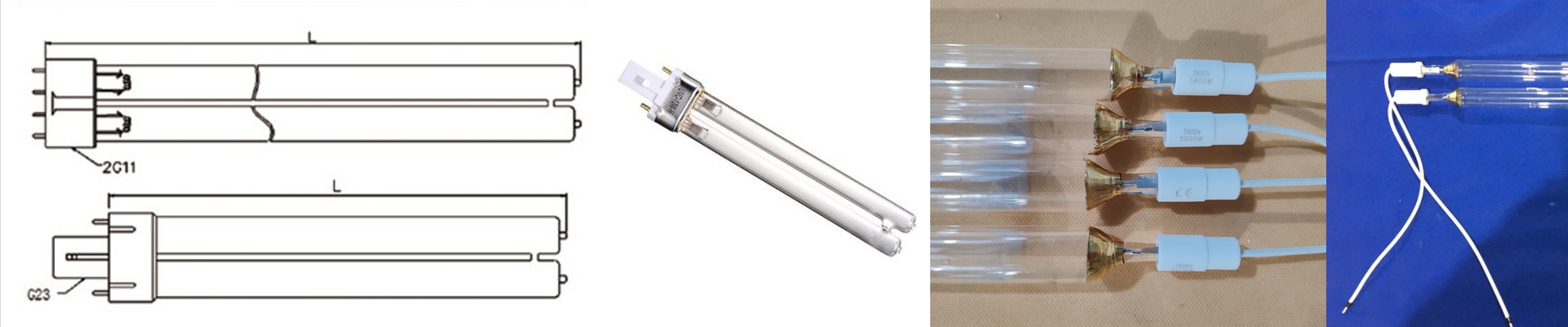
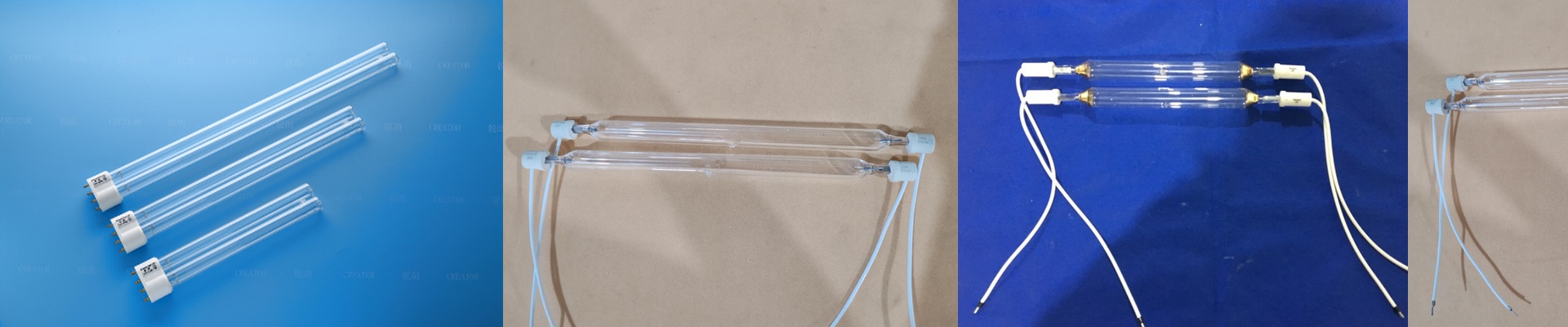
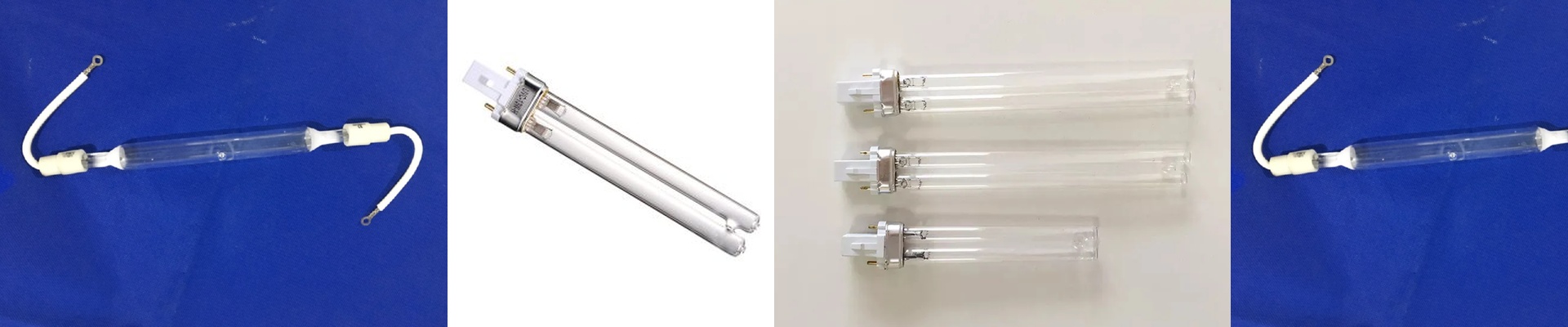
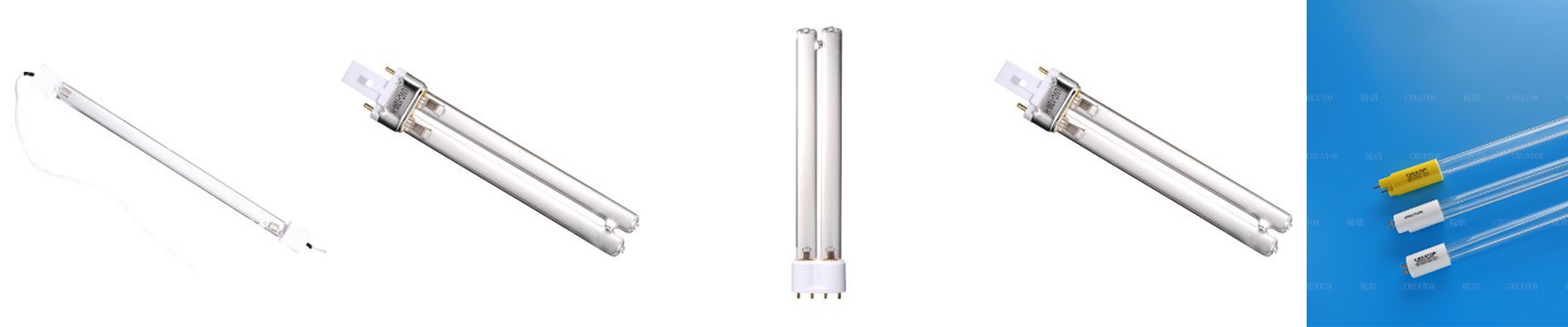
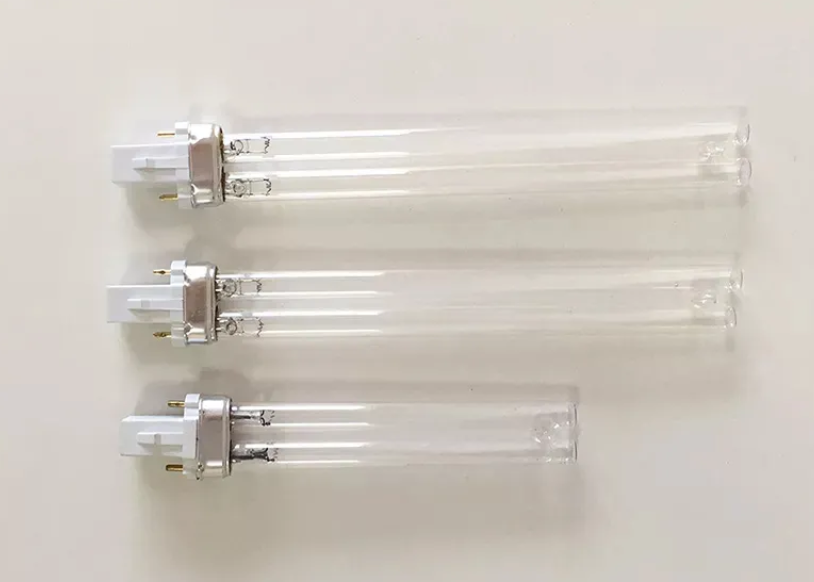
Let’s be honest: starting a brand isn’t just about slapping a fancy logo on a cardboard box. If you want your customers to actually stick around, the gear has to work. It needs to hit the right curing speeds and handle whatever weird materials your clients are throwing at it. That’s where we come in. We provide the backbone so you can design a product line that actually makes sense for your market. Getting the tech right UV curing is a bit of a balancing act. You’re juggling irradiance and wavelength, and if one is off, the whole thing fails. When we work together, you tell us the wattage and voltage you need to hit that perfect energy density. Want to speed up a conveyor belt? We bump up the wattage to increase the photon flux. Need the lamp to fit into a tight, existing machine? We can tweak the tube length and diameter until it slides right in. Then there’s the light itself. Some of your folks might need UVC for sterilization, while others need UVA to get those adhesives to set deep. We just tune the gas fill and phosphor coatings to match whatever you’re aiming for. The nitty-gritty of the design We handle the annoying electrical stuff. You tell us which connectors you want—standard pins, custom lead wires, whatever—so your customers can just plug the lamps in and get to work without a headache. We also use high-purity quartz glass. Why? Because it stops the lamps from burning out too early and lets the UV light through without any interference. And if your customers are working in messy industrial shops, we can add special coatings to the glass to keep chemical splashes from ruining the tube. The big trade-off: Power vs. Heat Here’s the thing: high-output lamps get hot. Really hot. If you go for a high-wattage system to crank up production speed, your customers need a cooling system that can handle the heat. If they don’t have the right airflow or water-cooling, the material might warp and melt before the resin even has a chance to cure. We’ll help you find that sweet spot where you get plenty of curing power without turning the hardware into a heater. It’s all about keeping things stable.