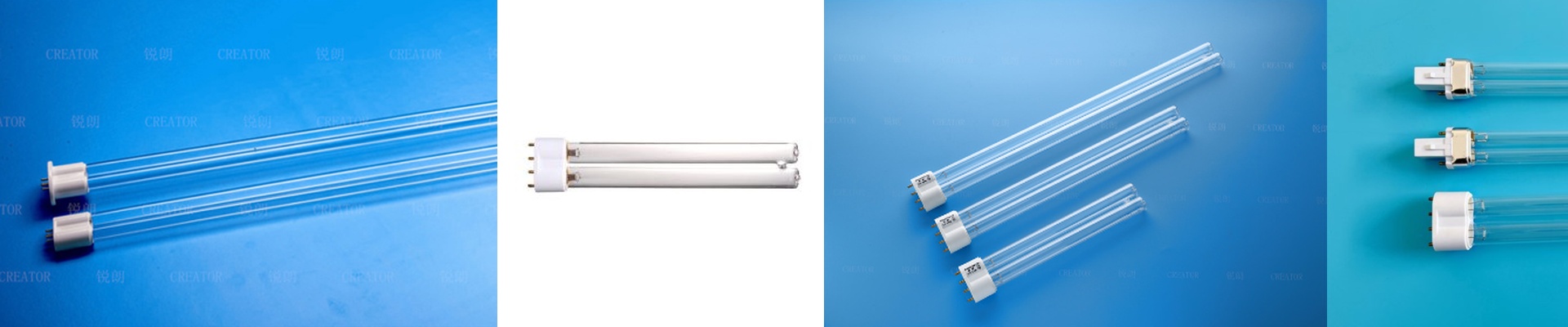
Introduction
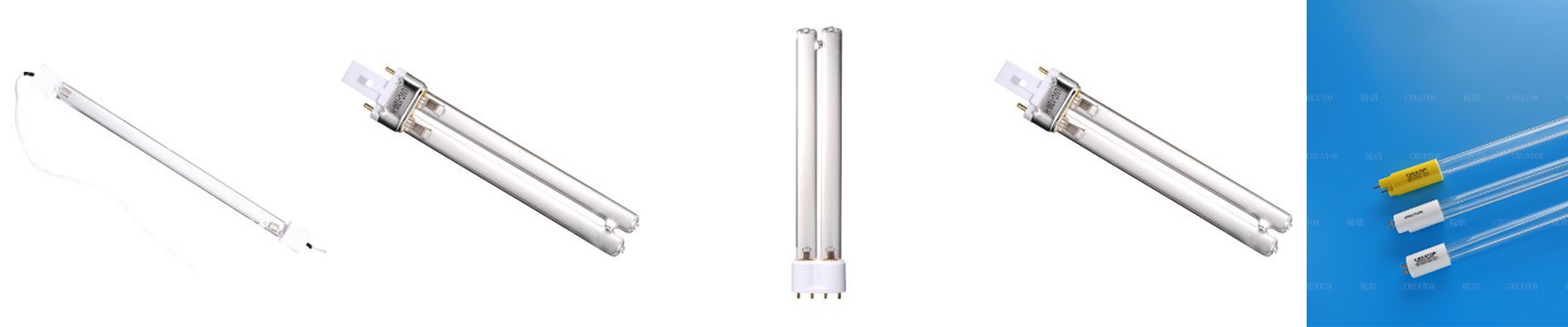
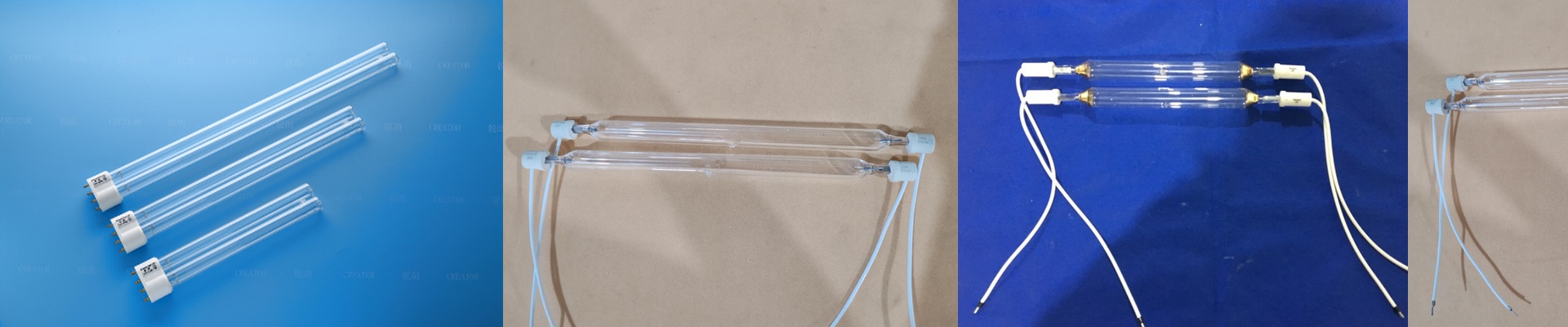
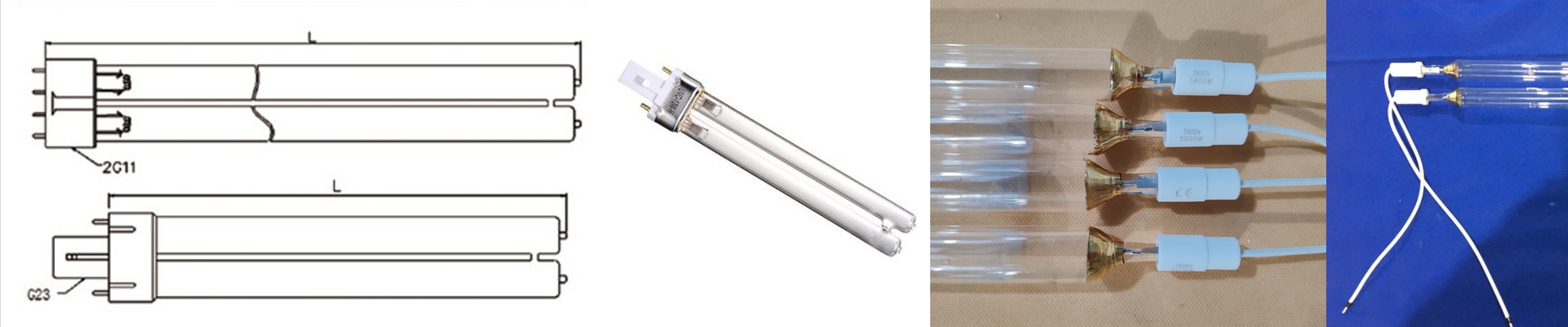
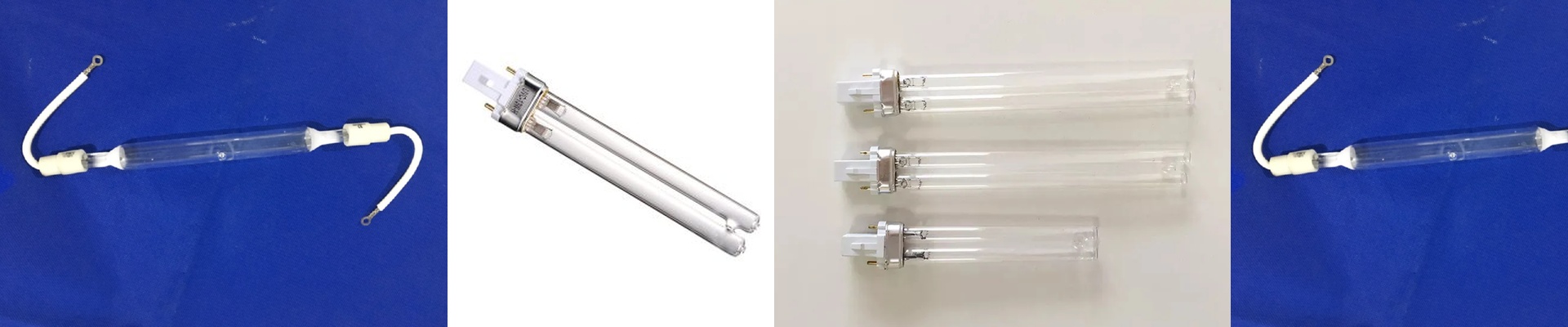
Let’s cut to the chase. If you’ve ever worked with heat-sensitive fabrics, you know the headache. Traditional UV curing throws off way too much heat, and suddenly your fabric is warped and your colors are off. It’s a mess. So, we built something to fix that, head-on. We call it the “Cold Light Source” UV lamp. It was designed for one thing: to cure your prints right, without wrecking the fabric. We focused on two things that actually matter on the floor: a lamp that lasts and a system that works hard, every single time.
The Power Behind the Precision
Here’s the thing about our system—it’s all about getting the power right. These lamps deliver a serious punch of UV energy, but they’re smart about it. They keep the infrared (IR) radiation to a minimum. It’s not just about turning the wattage down. It’s about controlling the spectrum, giving you the exact photon density you need for a fast, clean cure. That precision is what helps the lamp last longer. But there’s a trade-off. That kind of concentrated energy means you need a solid cooling system on your printing line. No shortcuts. If the heat can’t get out, the lamp won’t last, and your fabric is still at risk.
What Makes It “Cold”?
The “Cold Light Source” name isn’t just a label. It comes from the design itself. We use a special quartz envelope paired with advanced filtering. This setup blocks most of the IR wavelengths while letting the full UV spectrum through. The result? The ink cures on the surface, but the fabric underneath stays cool. And these lamps are built tough. They’re meant to handle the daily grind on the shop floor, not sit on a shelf. They’re a workhorse you can count on, not another part you’re constantly replacing.
The Payoff: Prints That Stay True
For anyone working with delicate materials, this is a straight-up solution that prevents fabric distortion. The lamp cures the ink instantly, locking the print in place before the heat has a chance to warp anything. That means you can run those tricky synthetics and coated textiles at full speed, without slowing down. Plus, with a longer lamp life, you spend less time swapping parts and more time producing. And the efficiency stays consistent, from the first hour to the last, so your line keeps moving like it should.