Hozelock UV Halogen Lamps: The Secret Weapon for Delicate Electronics
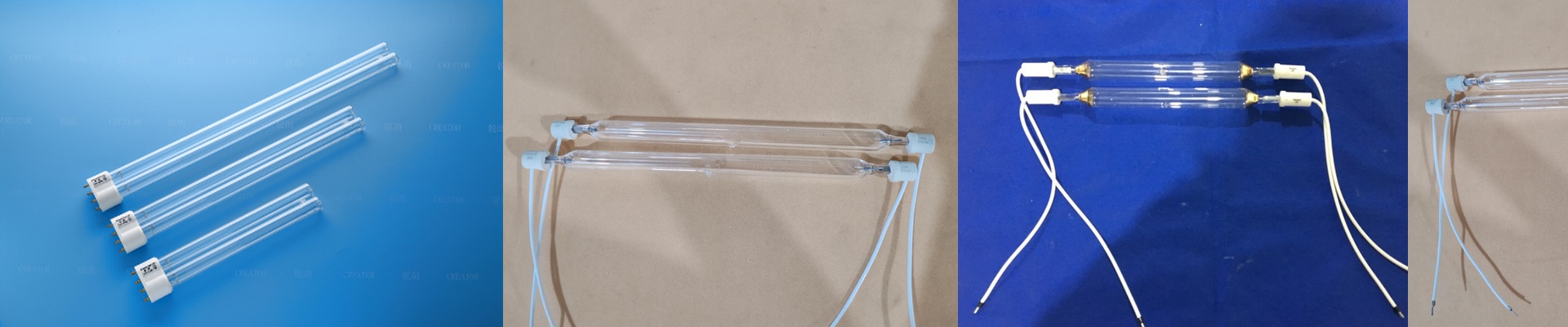
Let’s talk about a problem that keeps a lot of engineers up at night: how do you get intense UV power without turning your sensitive components into a melted mess? That’s where the Hozelock UV pond lamp comes in. We built it for industrial spaces where heat control isn’t just important—it’s just as critical as the UV output itself. When you’re doing precision printing on delicate electronics, you need a lamp that can deliver serious energy without frying the material you’re working on. This is that solution.
The Power Behind the Precision
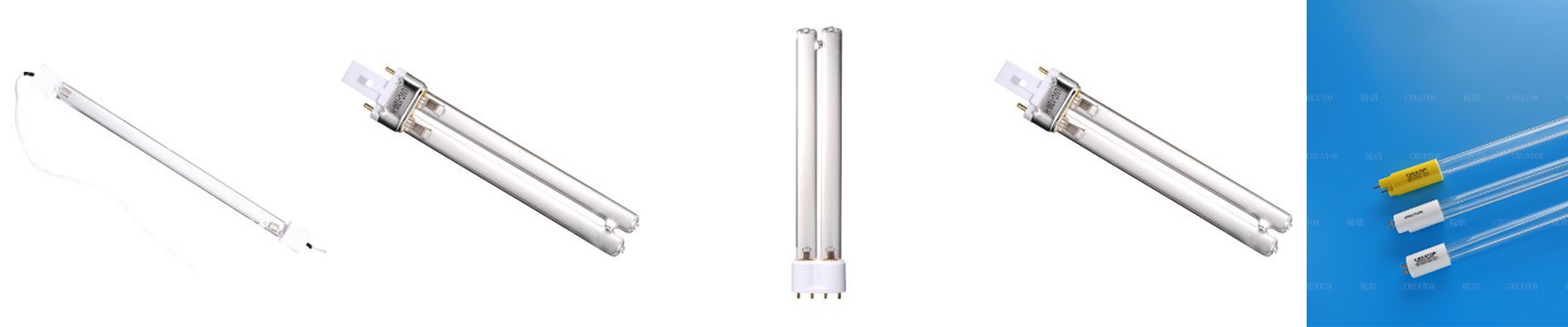
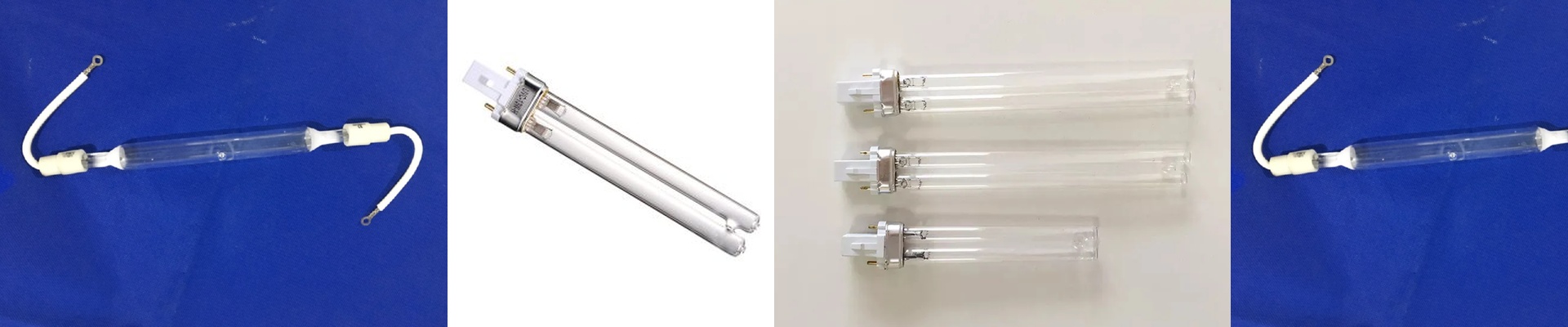
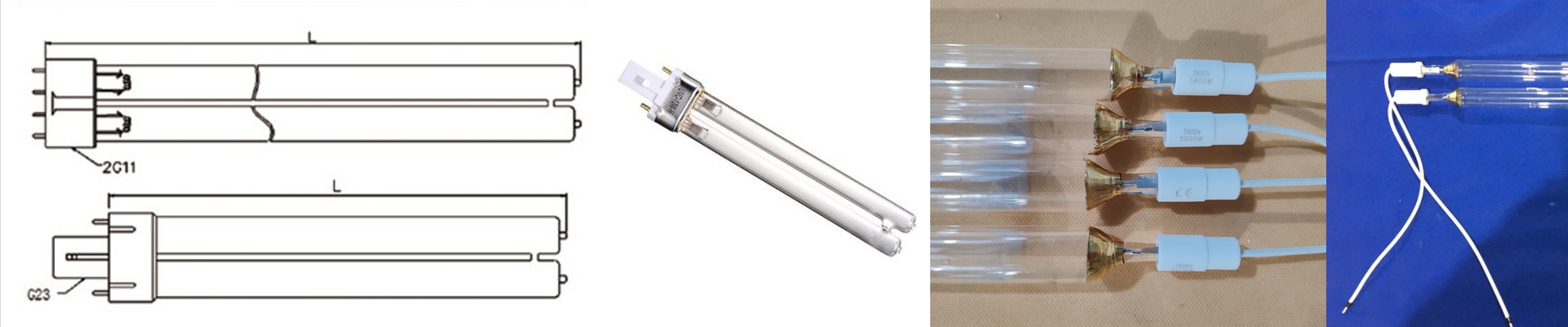
Here’s the thing about the Hozelock lamp: it’s all about control. It runs on a 400V input, which means it’s designed to plug straight into your industrial line voltage. No need for extra transformers. The wiring is straightforward, and the footprint stays small. We’re talking 2500W of power packed into a 300mm length. That creates a concentrated burst of heat and light, which is exactly what you need for fast curing. But, and this is important, that kind of power density means your machine’s cooling system has to be up to the task. Plan your heat management from the start, and you’re golden.
What’s Inside Makes All the Difference
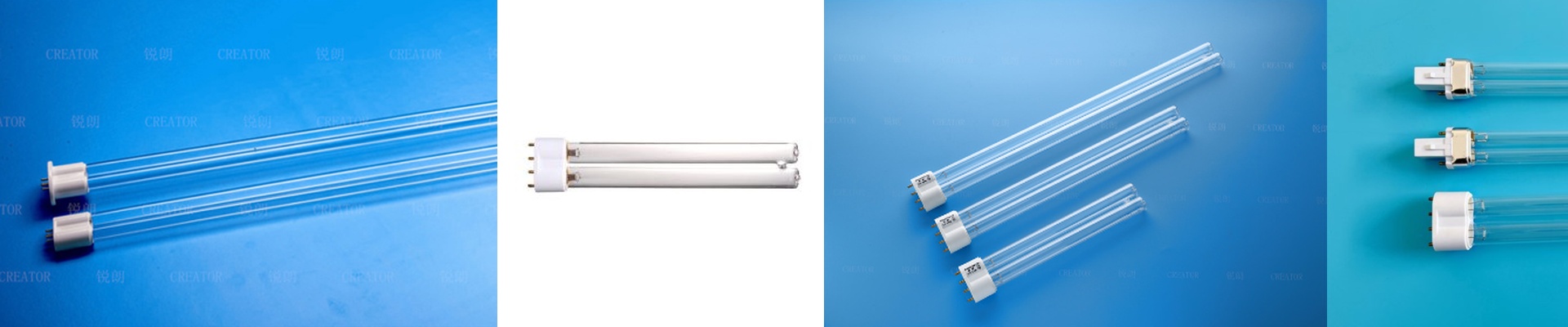
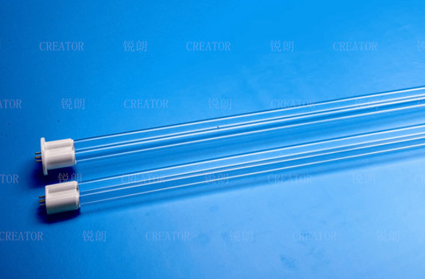
The heart of the lamp is a halogen-filled quartz tube. Quartz is brilliant because it lets UV through with ease, and it doesn’t crack under pressure when the temperature changes. The halogen cycle keeps the filament stable, so the output stays consistent over the lamp’s entire life. And the R7s connector? It’s a direct, solid fit for this length of tube. It handles the current without getting hot, making this lamp a simple, drop-in replacement. We also chose a coating that filters out unwanted IR. So what hits your target is pure, unadulterated UV, not a blast of radiant heat.
The Result: Peace of Mind on the Production Line
When you’re working with sensitive components, you need to be able to dial in the power just right. The Hozelock lamp gives you that fine-tuned control, so you can match the cure to the material. This means you can fully cure your work without risking thermal damage to those low-tolerance parts. The payoff? Fewer rejects. Steady, reliable throughput. And an install you set up once, then basically forget about. Just remember the trade-off: you get incredible heat density. So plan for that heat, and you’ll get the performance you need without the stress.