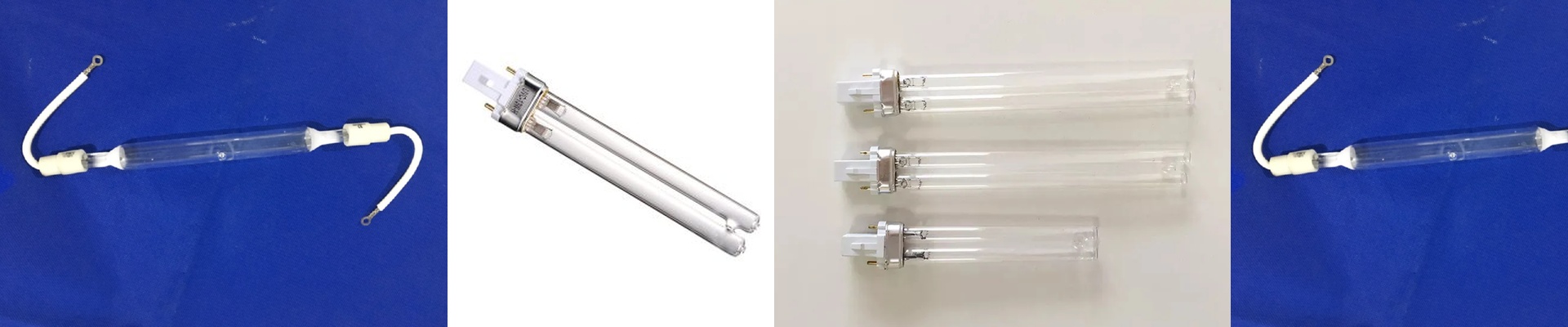
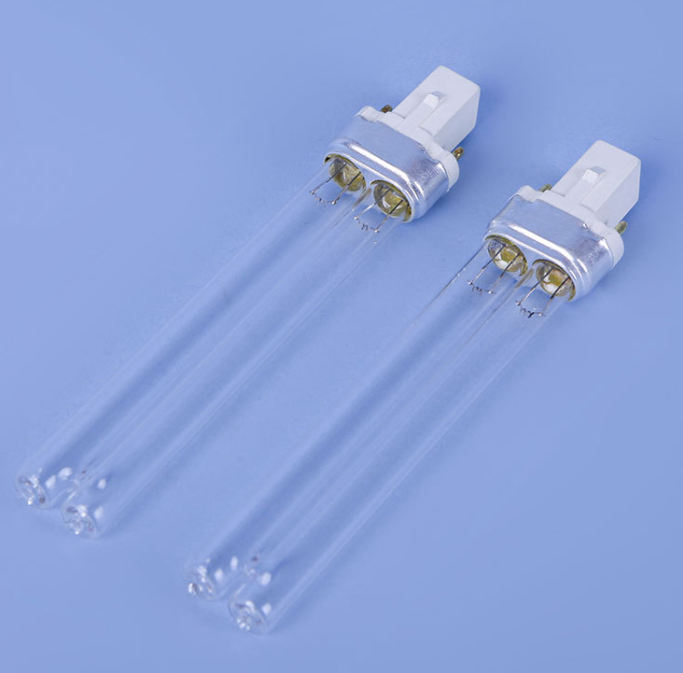
Introduction
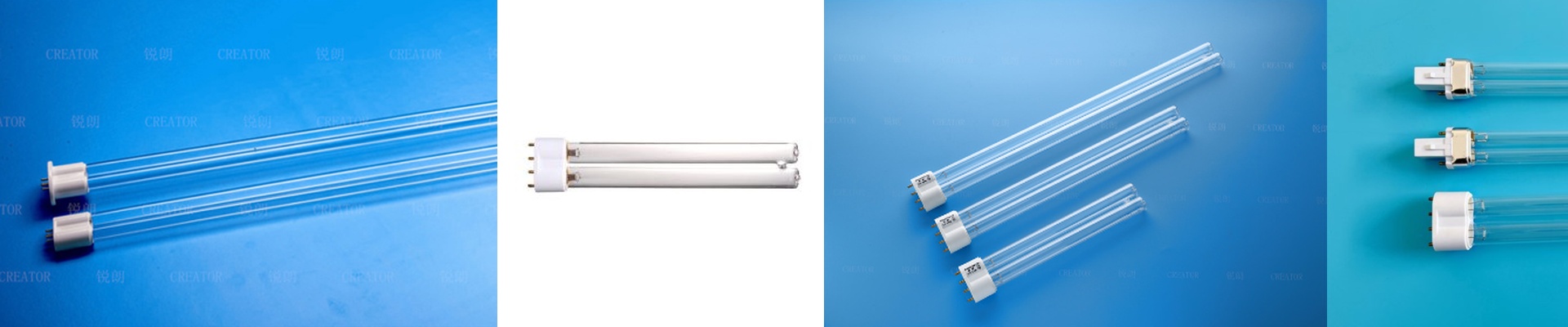
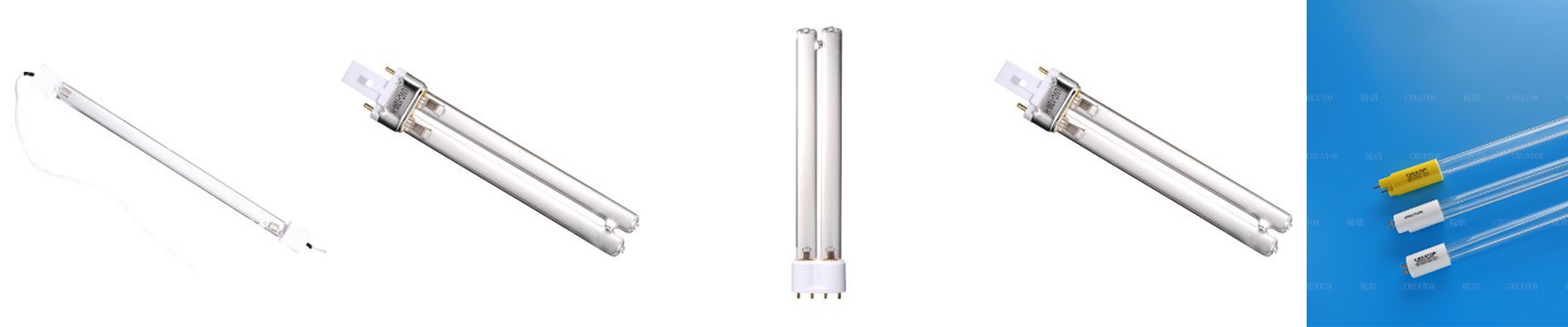
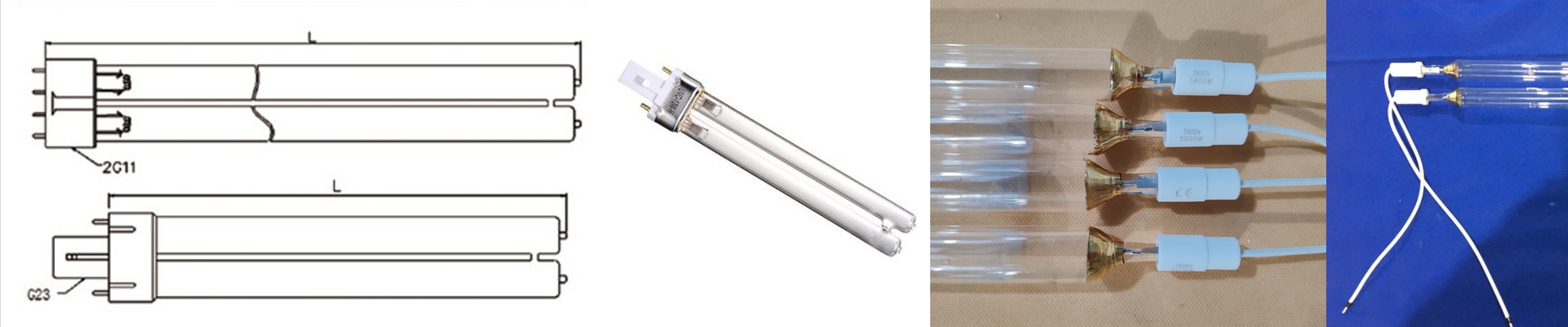
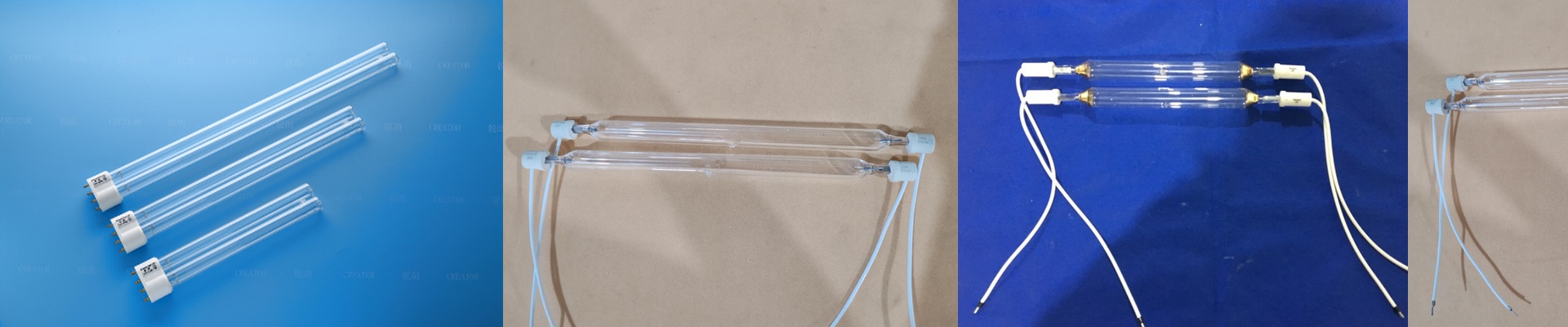
When you’re building medical devices, UV curing isn’t just some box you check. It’s a precise chemical process. You’ve got to get that polymer cross-linking right, every single time, without melting or warping delicate parts like thin tubing, catheters, or sensor housings. So we don’t build our UV lamps by just throwing power at the problem. We build them aroundspectral customization. The whole point is to match the exact wavelength your material needs.
The Power Behind the Process
At the end of the day, UV curing is all about photons. But the lamp’s electrical and thermal limits are what set the stage. We design our lamps to deliver stable irradiance in the exact band you need—whether it’s UVA, UVB, or UVC—at the intensity your line speed demands. Sure, you can crank up the watt density to cure faster. But that also cranks up the heat on your part. So we match the voltage and wattage to your fixture and the thermal budget of your assembly line. That way, you can run at a consistent duty cycle without worrying about thermal drift.
The Secret Sauce: Tuning the Light
When you need a specific UV band, you don’t just grab a random bulb off the shelf. You tune the light source at the chemistry level. We tweak the fill-gas composition and the filament/emitter formulation to shape the emission curve. Then we apply engineered phosphor coatings or selective filters to sharpen the output right where you need it. This is how we hold those narrow spectral windows for sensitive medical adhesives and coatings. The result? You get repeatable spectral output from lamp to lamp, so your validation runs stay rock-solid.
The Real-World Payoff
Medical devices don’t mess around. Tolerances are tight. Over-curing can yellow optical windows or warp polymers. Under-curing risks bond strength and biocompatibility. Our custom UV lamps let you dial in the exact band and intensity for each product, which cuts down on scrap and rework. But here’s the trade-off: tight spectral control and higher intensity mean you need serious heat management in your curing station. Plan your cooling and reflector geometry up front, and you’ll get a process that holds cure depth and surface finish, shift after shift.
The Heat is On (and You Control It)
Let’s be honest: high-output UV curing puts heat into the zone. Even with a perfectly optimized spectrum, you still have to control the part temperature—especially on thin films and heat-sensitive electronics. So you have to think of the lamp as part of a thermal system. If you don’t match the reflector, airflow, and dwell time to the lamp output, you’ll be chasing inconsistent cure results forever.
The Bottom Line
If your medical device curing depends on UVA, UVB, or UVC performance, the lamp can’t be an afterthought. We build it around the spectral recipe your process requires, and we back it with repeatable output so your validation stays valid.