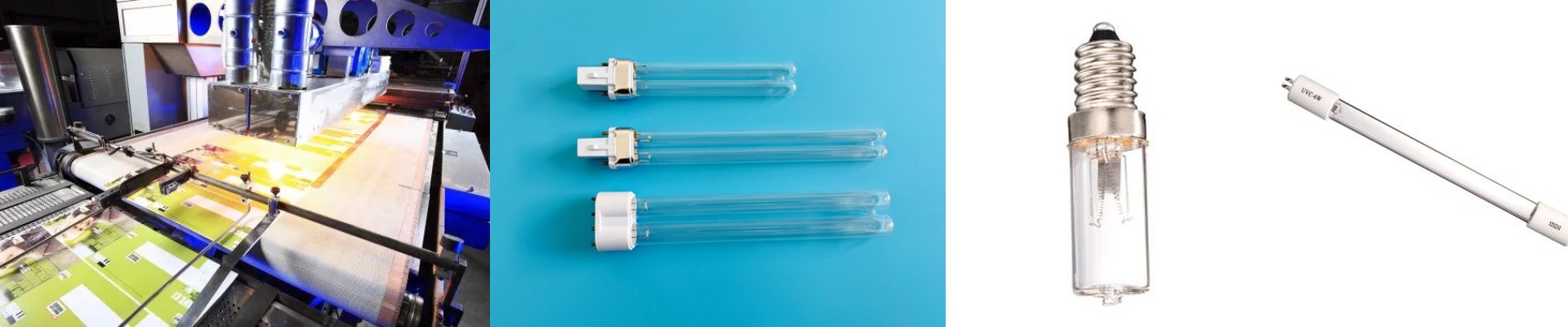
Getting the Cure Right: The Realities of UV Lamps in Textile Printing
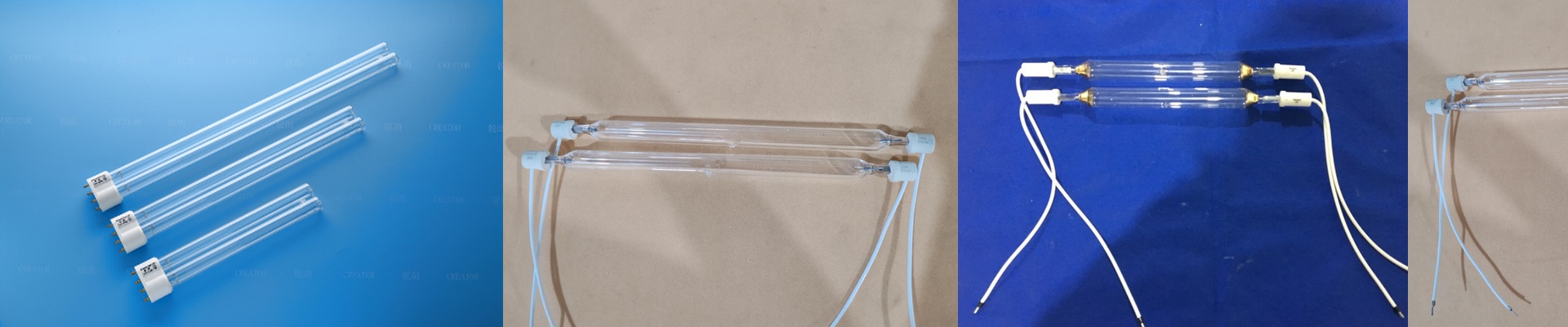
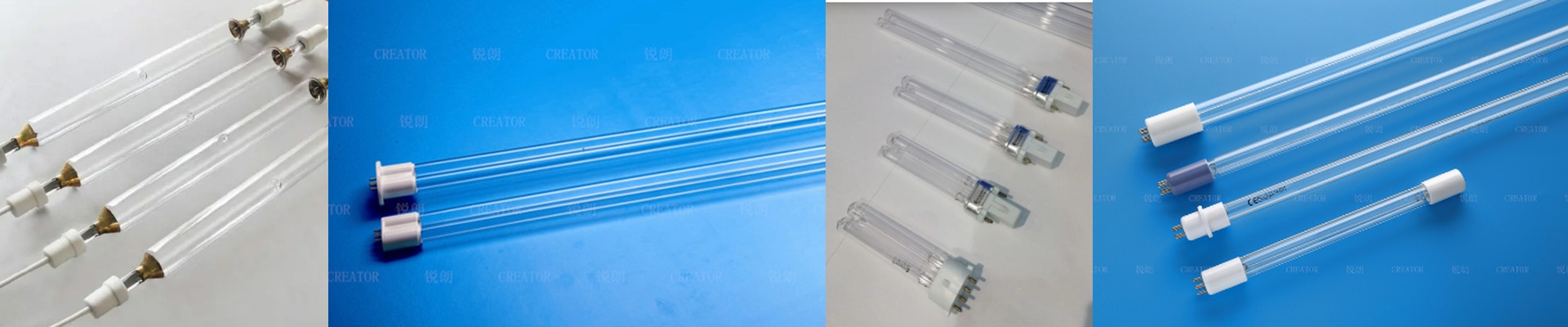
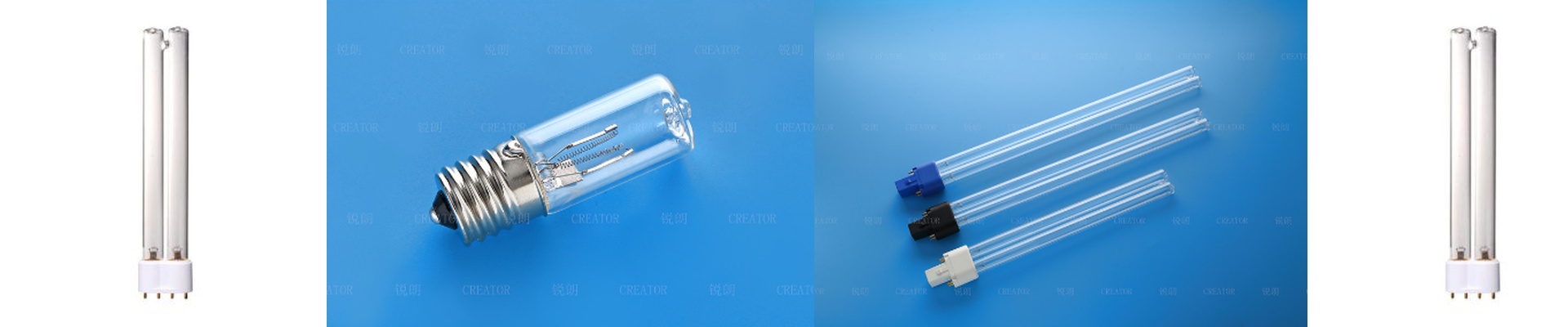
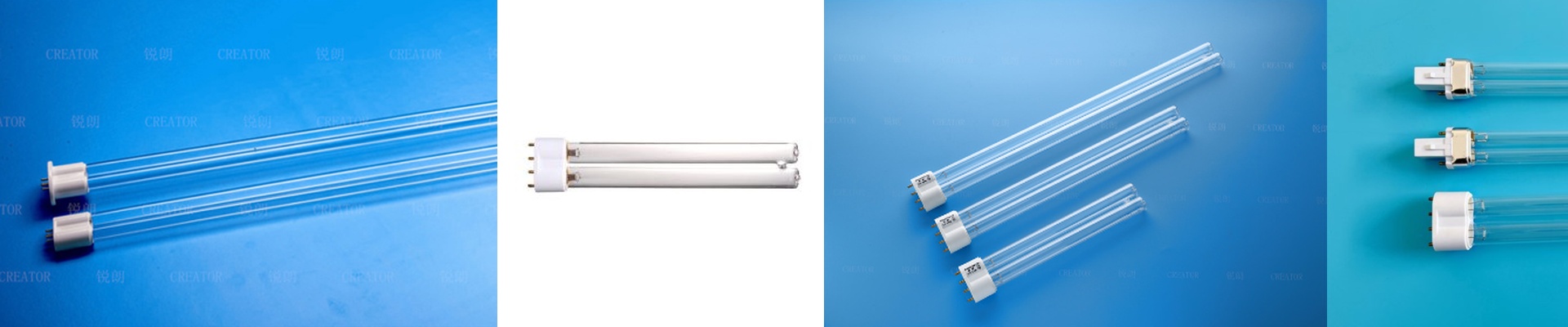
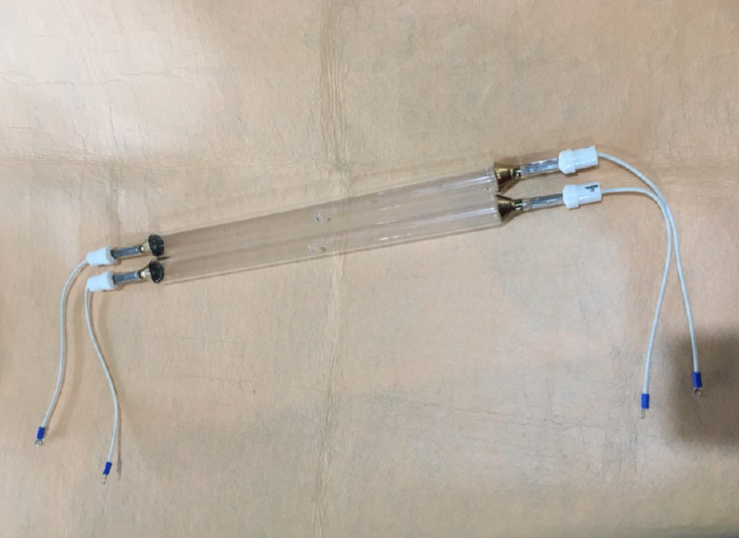
When you’re printing on fabric, you don’t have time to wait around. You need that ink to lock in now. If it doesn’t, you’re looking at smudges, bleeding, and a lot of wasted material. That’s why we build our UV lamps the way we do—it’s all about hitting that sweet spot where the ink sets instantly without ruining the cloth. The science part (made simple) We use mercury-vapor or LED sources to kickstart the chemistry in your ink. If you’re running a high-speed line, you need a lot of power packed into a small space. The goal is for the ink to cure the second it hits the light. But it’s a balancing act. Too little power? Your prints stay tacky. Too much? You’ll scorch the fabric or watch your colors fade right before your eyes. What’s under the hood We don’t cut corners on the glass. We use high-purity fused quartz because it actually lets the shortwave UV light through. Cheap glass just blocks the wavelengths you need, which makes the whole process fail. We also use tungsten electrodes. Why? Because factory shifts are brutal. The constant powering up and down kills cheap parts, and tungsten can actually handle the grind without burning out early. The trade-offs you should know about Most of our units just slide right into your existing curing tunnels. We’ve reinforced the connectors, too, because conveyor belts vibrate like crazy and we don’t want things shaking loose. Here’s the thing: high-output UV lamps gethot. The UV light does the curing, but the infrared heat that comes with it can warp thin synthetics. You have to watch your belt speed. If you crank the power to push more product through, you’re going to need a beefier cooling blower. Otherwise, your fabric might shrink. And one last tip: make sure your lamp matches your ink. If the wavelength doesn’t align with the photoinitiator in your ink, you’re just burning electricity and getting a half-baked cure.