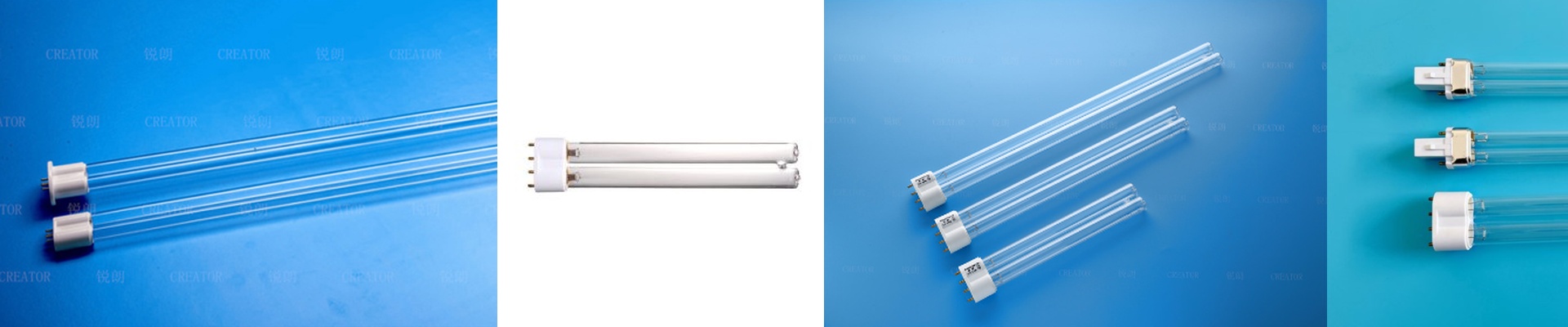
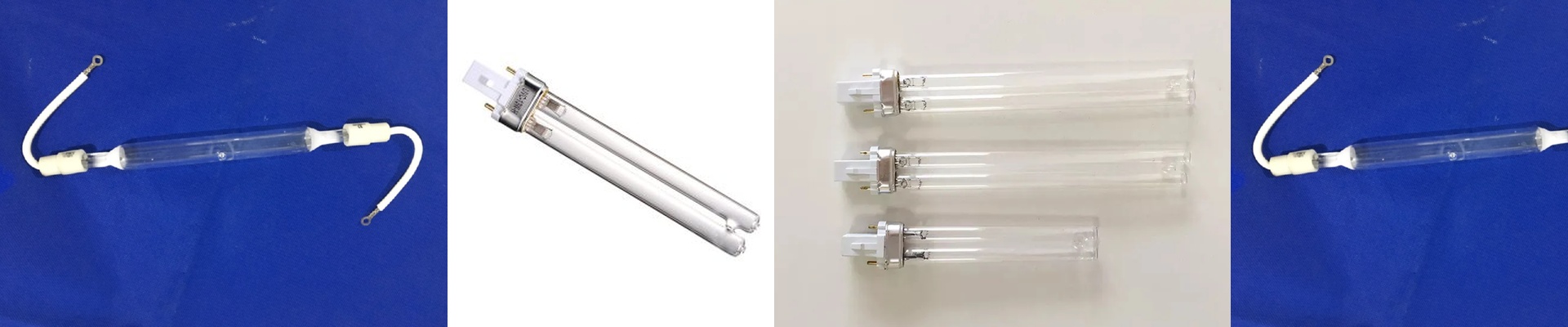
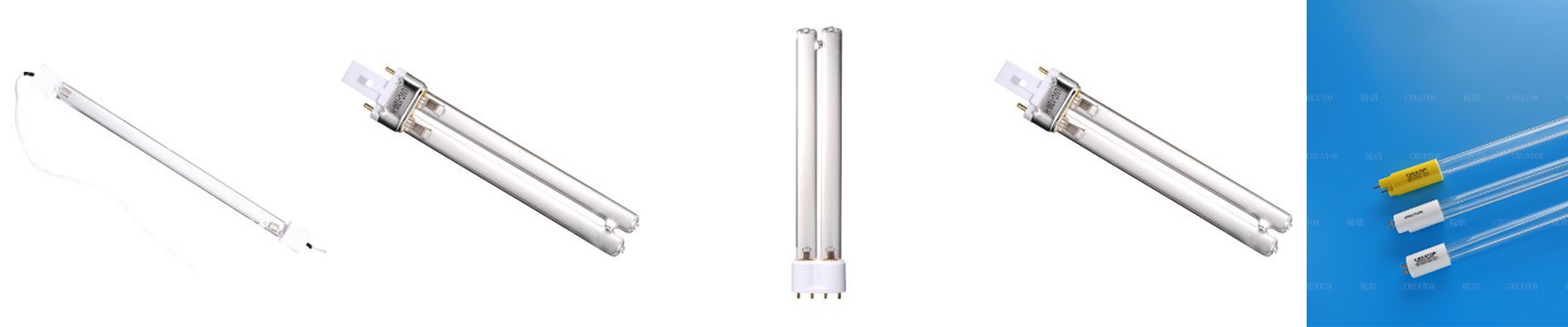
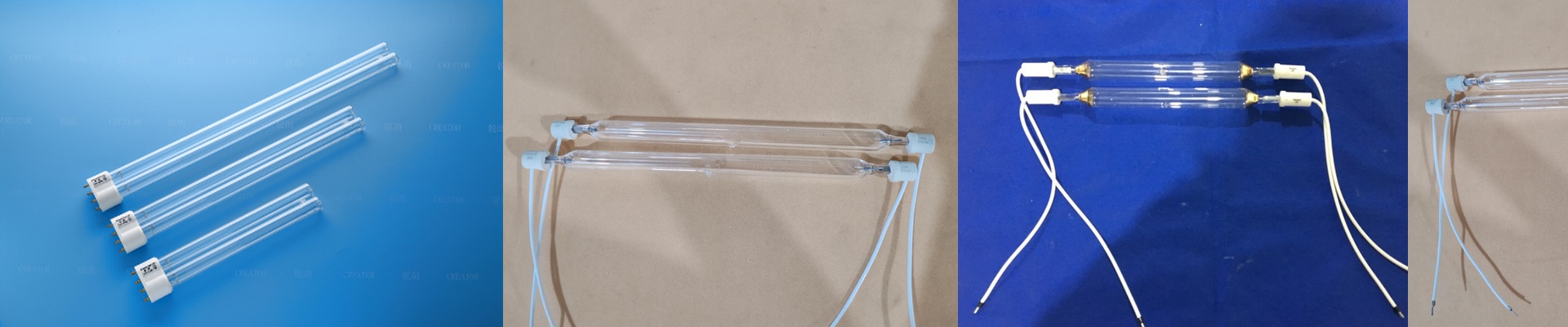
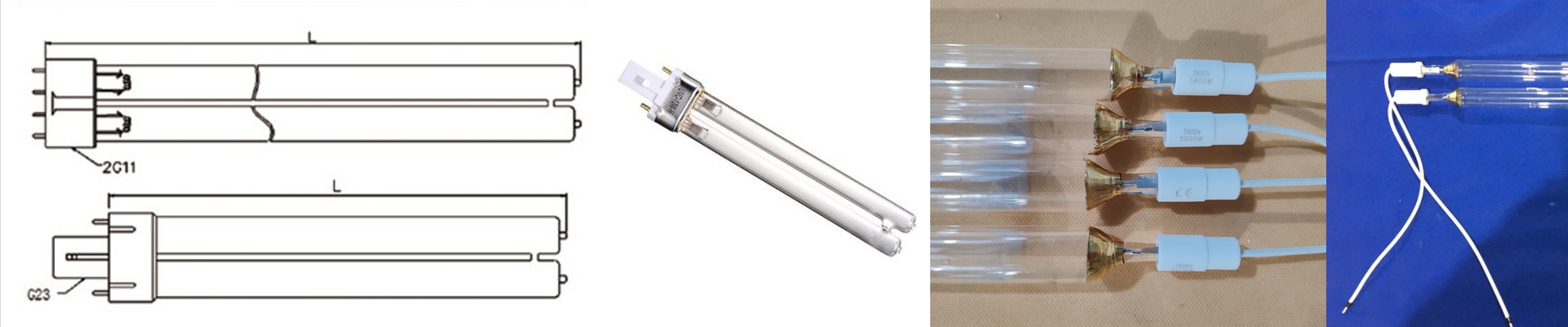
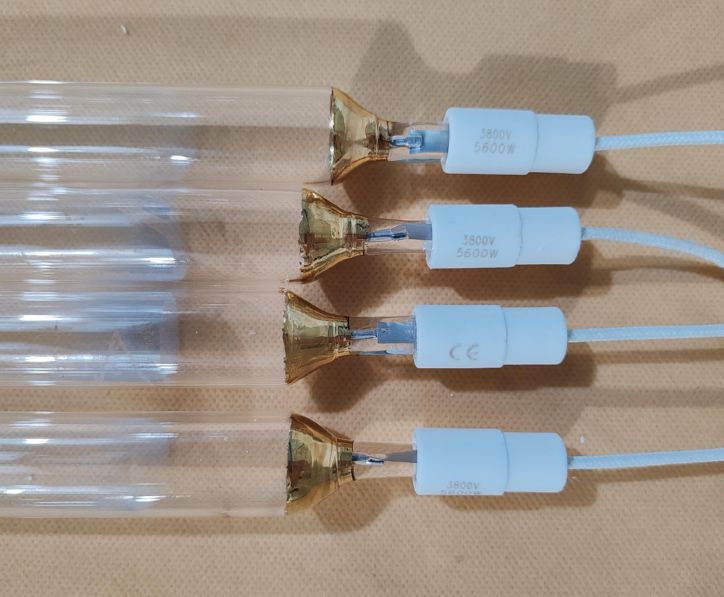
Why You Actually Need CE Certification for Your UV Curing Lamps
When you drop a UV curing lamp into an automated line, you’re not just adding a lightbulb. You’re plugging in a high-voltage beast that pumps out intense heat and radiation. In the real world, that CE mark isn’t just a sticker to make the lawyers happy. It’s the only way to know the lamp and its driver won’t cause a disaster on your shop floor.
The Nitty-Gritty Stuff
Getting certified means we have to build the hardware to survive strict rules on voltage and electromagnetic interference. For a UV lamp, that’s a big deal. We have to make sure the electrical insulation is rock solid so you don’t get a nasty shock from the machine chassis. We push the dielectric strength to the limit to make sure the lamp doesn’t arc when it’s working hard. Then there’s the “noise” problem. Most cheap, off-brand lamps fail here. They use high-frequency ballasts that leak electrical noise right back into your factory’s power grid. If that happens, your sensors might trip or your PLC could just crash, bringing your whole conveyor to a dead stop. A CE-certified lamp keeps that noise locked away so your other gear can actually do its job.
Risk, Liability, and the Bottom Line
If you’re working with high-end OEMs in Europe or North America, they won’t even let uncertified gear through the door. They can’t afford the risk. Think about it: if a lamp burns out or starts a fire, the first thing an auditor is going to ask for is the certification paperwork. Without it, you’re stuck at customs or failing safety audits. It’s a nightmare you don’t want. Now, look—there’s a trade-off. These certifications make the parts more expensive. We have to use higher-grade capacitors and beefier shielding, which makes the unit heavier and costs more upfront. But it’s worth it. It’s the difference between a smooth shift and a total line shutdown. We build these things to take a beating in 24/7 production. You get a replacement that just works, exactly how it’s supposed to.