Why a Few Nanometers Actually Matter
We don’t just put together lamps. We obsess over photons. In the lab, we’re chasing something called narrow-band emission. Now, that sounds technical, but here is the reality: if you’re swapping out a UV lamp in a high-precision setup, a shift of just 5 nanometers can ruin your entire batch. It’s the difference between a perfect cure and a total waste of materials. We make sure the peak wavelength hits exactly where it needs to, so the chemistry actually works.
The Balance of Power
Most standard UV tubes “bleed.” They let out light they shouldn’t. We fix that by being picky about the gas mixture and the purity of the quartz. But it’s not just about the light—it’s about the heat. If you cram too many watts into a tiny space, you’ll warp the part you’re trying to sterilize or cure. It’s a balancing act. You have to weigh your irradiance levels against how fast your conveyor is moving or how long the part sits under the light.
It’s All in the Glass
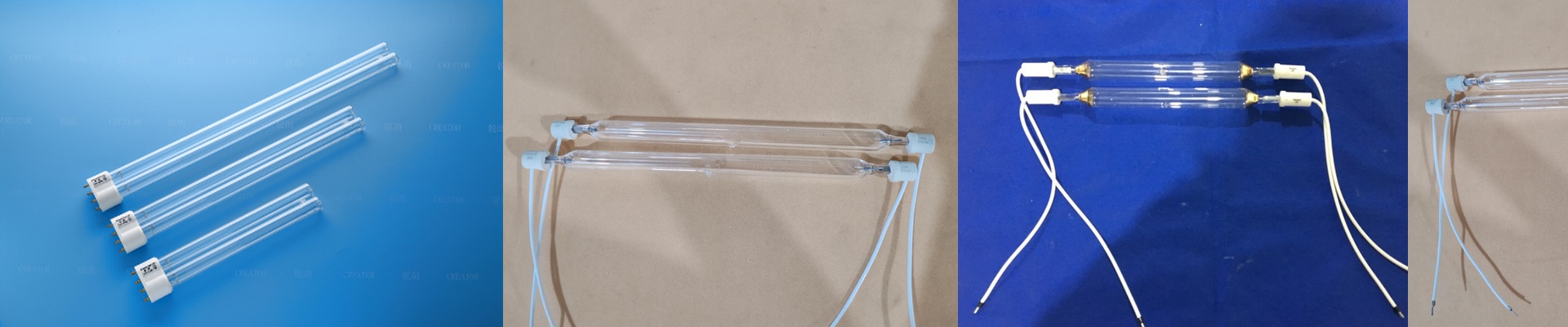
The glass isn’t just there to hold everything together. We use high-purity synthetic quartz because cheap glass eats the shortwave UV. You end up paying for light that never even leaves the tube. Then there are the electrodes. This is where a lot of companies cut corners. Cheap ones burn out fast. We use specialized alloys to keep the tungsten from evaporating and frosting up the inside of the tube. It keeps the lamp clear and keeps it running longer.
The Real-World Stuff
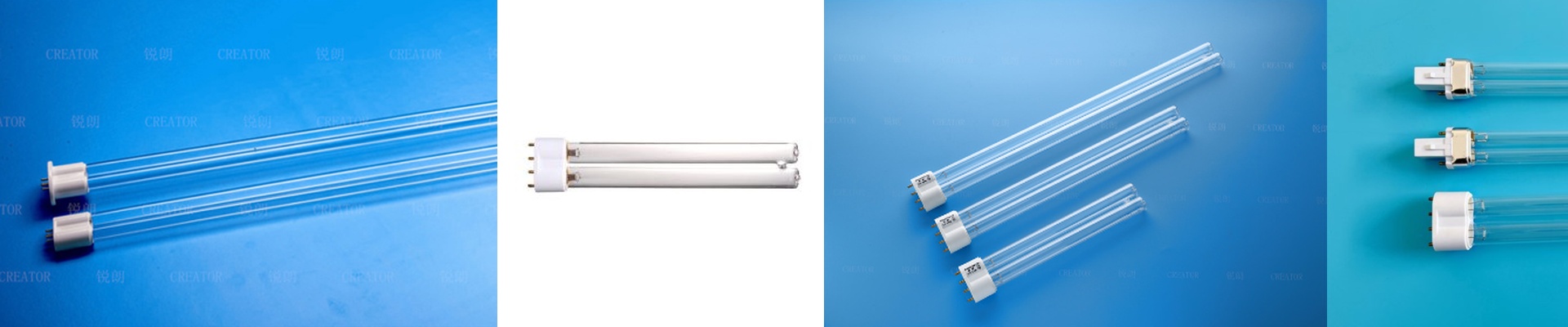
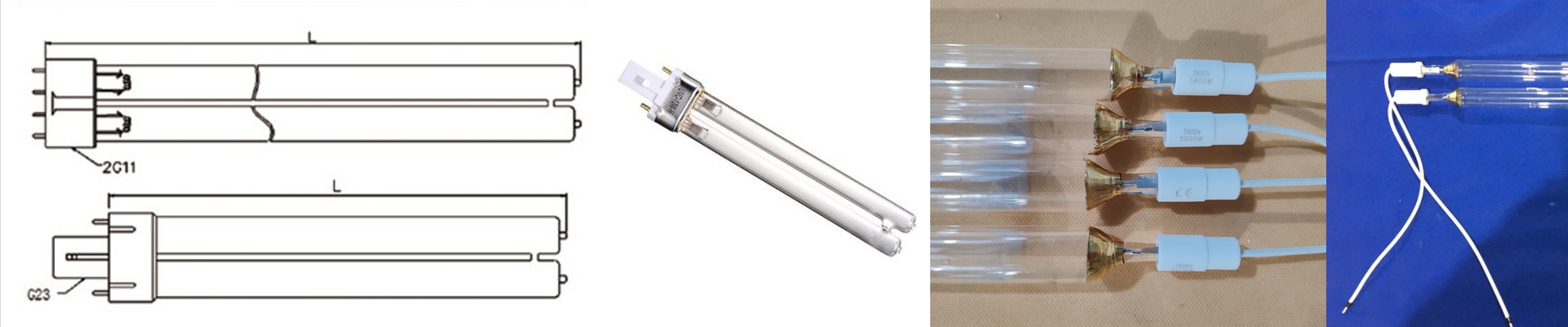
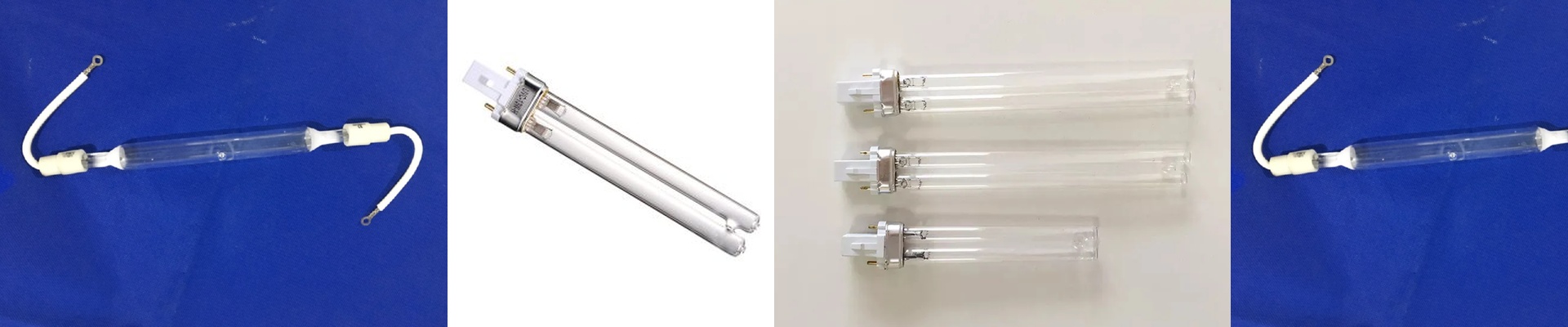
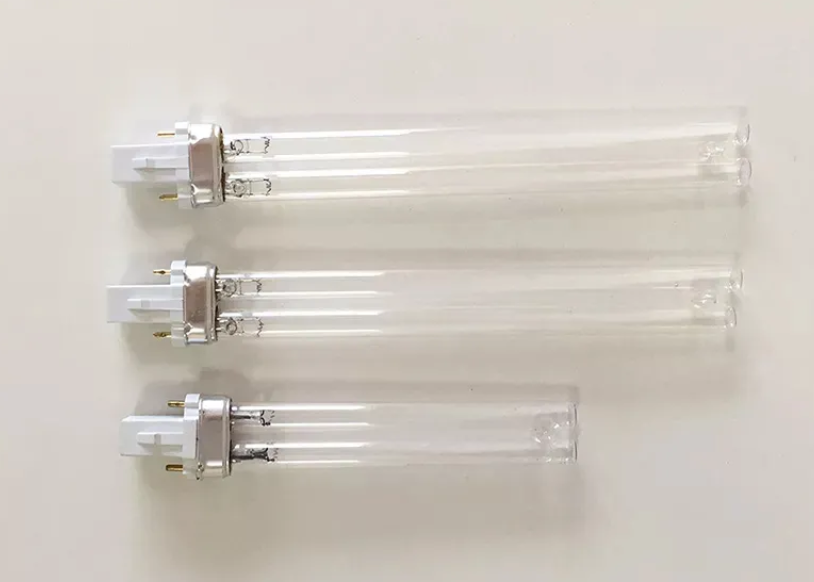
These are designed to be simple drop-in replacements. You plug them into your existing ballasts, they fit your current brackets, and you’re good to go. But here’s the catch. Stronger UV output is great, but it eats your reflectors for breakfast. You can’t just crank up the wattage and expect your aluminum mirrors to stay pristine forever. Check your reflectors every few months for oxidation. If they’re pitted or dull, it doesn’t matter how precise the lamp is—you’re still going to have gaps in your curing. Keep the mirrors clean, and the lamps will do the rest.