Introduction
Here’s the thing about keeping water clean: we want to do it right, without adding a bunch of chemicals. So, we lean on high-intensity UVC lamps. The whole point? To knock out bacteria in seconds, even when the water is rushing by. We built our water-treatment UVC units with one clear mission: blast the water with enough light to scramble microbial DNA, all in one quick pass.
Technical Deep-Dive: Power, Voltage, and Output
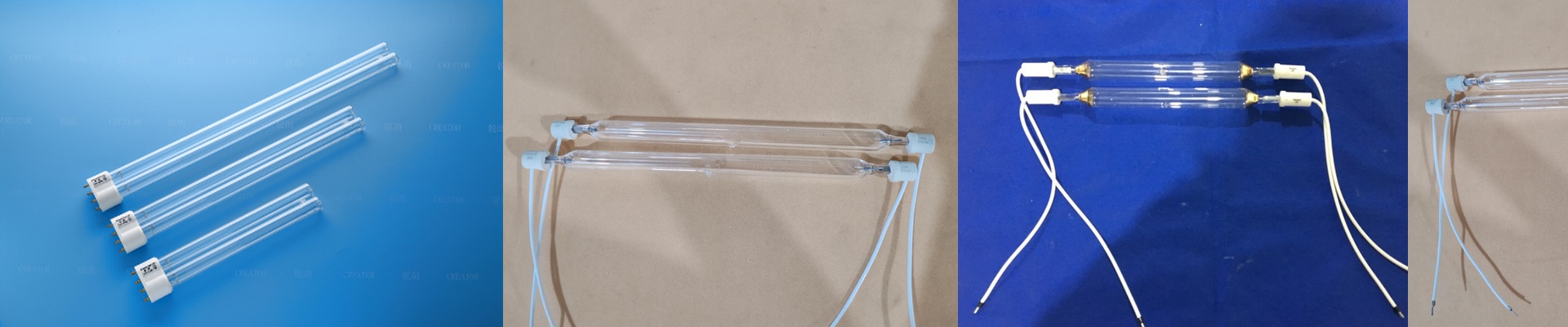
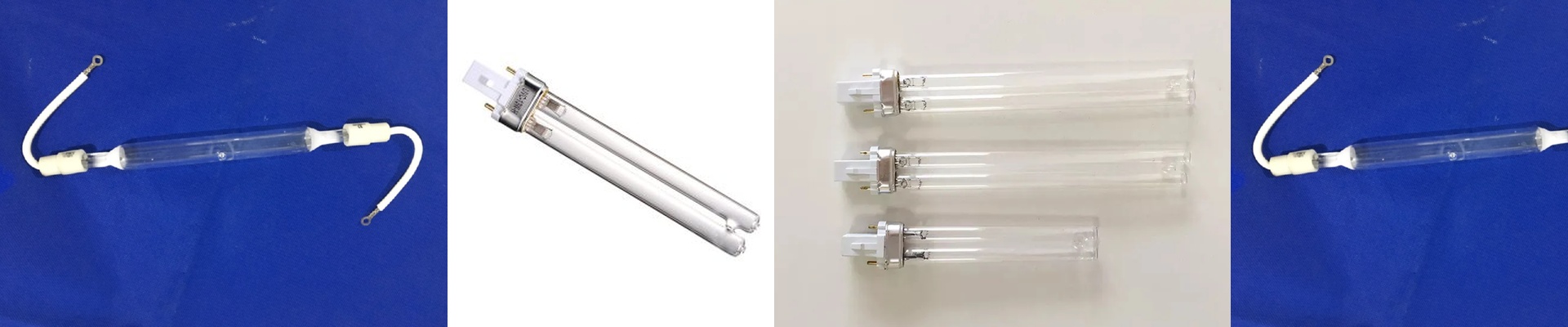
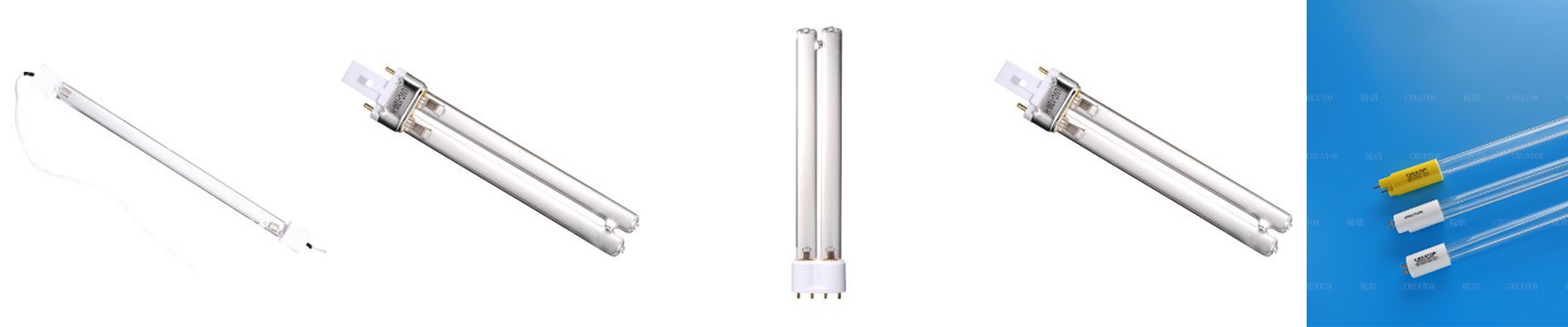
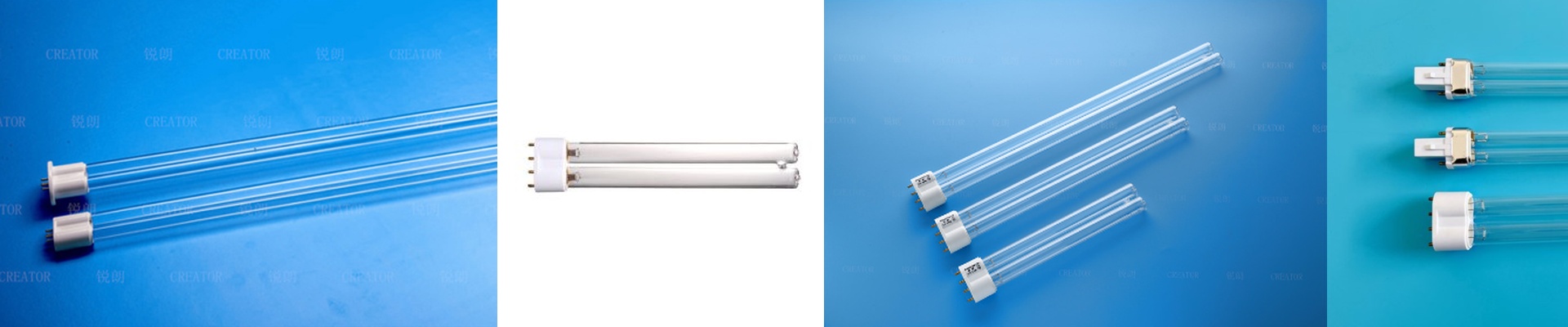
When water is flowing fast, it doesn’t stick around. That means the lamps have to be seriously powerful. High intensity isn’t optional—it’s the whole game. The lamp runs on a dedicated electrical setup that keeps it firing up reliably and holding a steady, strong arc. That consistency is what gives you a dependable UV dose, right where you need it. Inside the chamber, we’ve matched the lamp’s shape to the water’s path. The active part of the lamp sits exactly where the water flows, so every drop gets hit. That’s how we get that “second-level” disinfection—the lamp throws out a massive wave of photons, and the design keeps the water in the light just long enough to get a lethal dose.
Material & Design: Quartz, Coating, and Interface
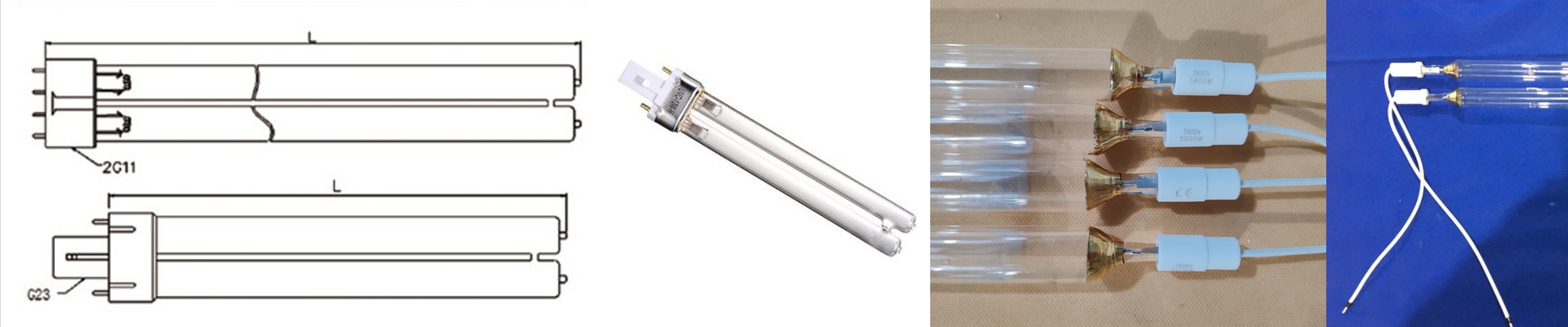
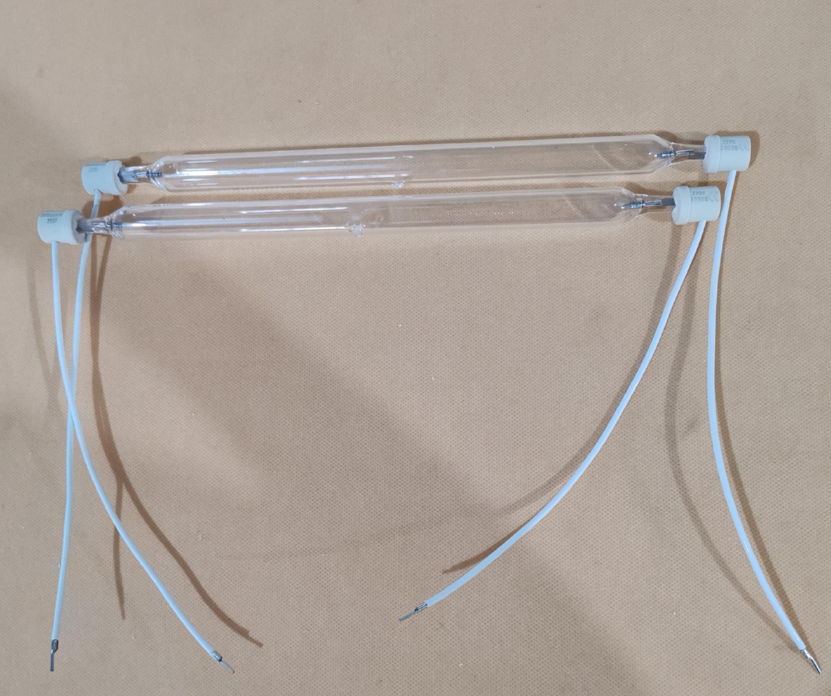
We use quartz for the sleeve. It lets that shortwave UVC light through, but it can also handle sudden temperature shifts without cracking. And that coating inside? It’s not just for looks. It boosts the reflectivity around the arc, so more of the energy goes straight into the water. Less waste. More punch. The connector is all about surviving real-world work. It holds tight through vibrations, handles heating and cooling cycles, and lets you swap a lamp out fast. You wire it in once, and it stays put. The lamp itself is a simple drop-in part—no messing around with alignment when it’s time for maintenance.
Application & Benefits: Engineering for Real Flow Conditions
In the real world, this setup means your disinfection keeps up with your flow. The high-intensity UVC makes up for the short contact time, and the tough connections mean less time spent on downtime. But there’s a trade-off. All that power generates serious heat. Your system needs proper cooling and airflow. If it doesn’t, the lamp runs hotter, and the output gets shaky. But when the cooling is right, the lamp delivers disinfection you can count on—fast, repeatable, and measurable. It’s second-level inactivation you can actually track and verify.