The Truth About Gallium Iodide Lamps (And Why Patents Actually Matter)
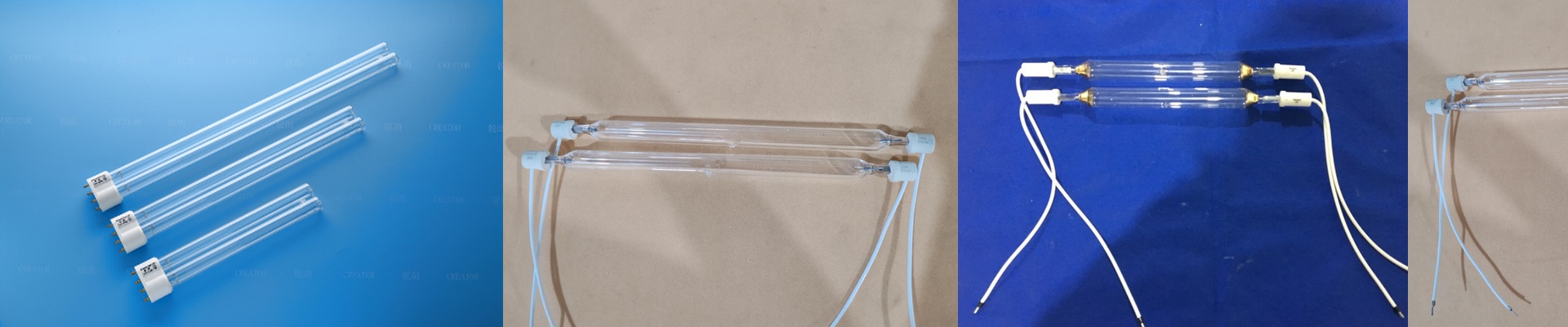
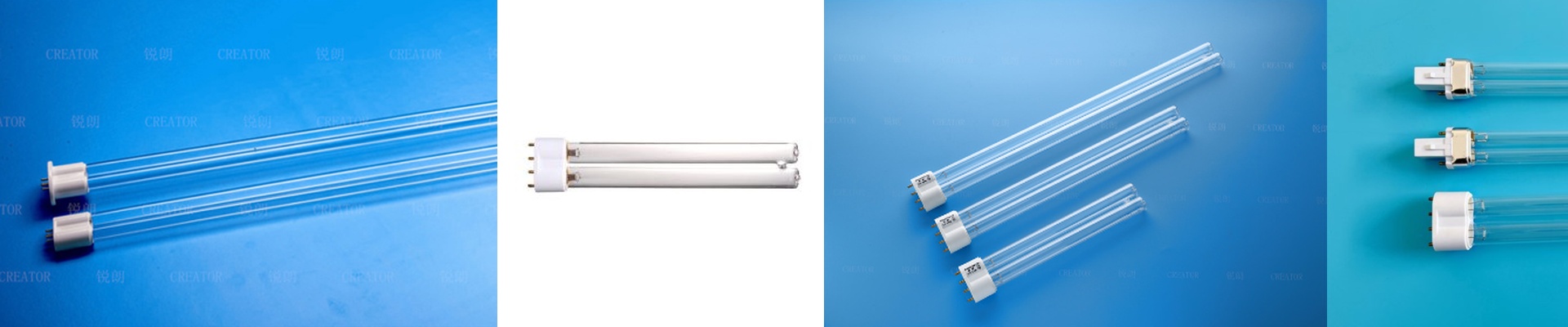
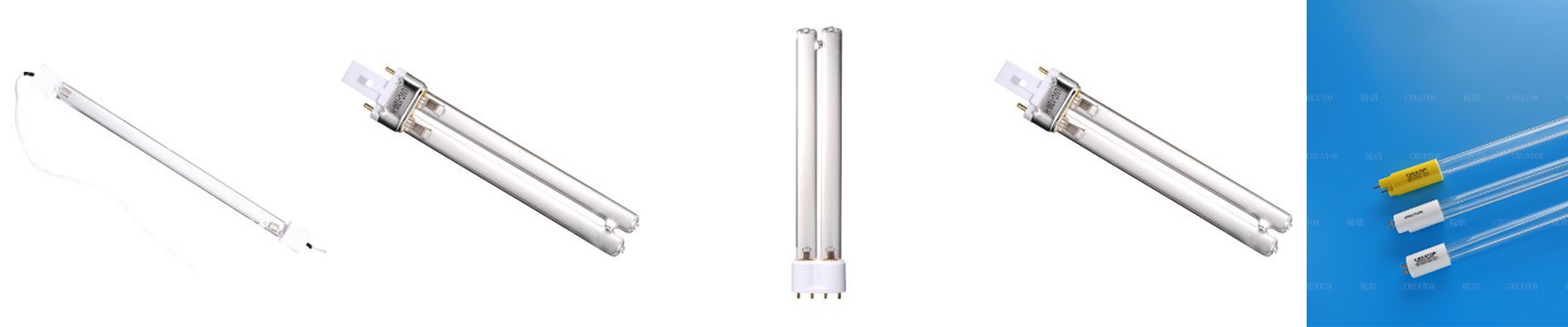
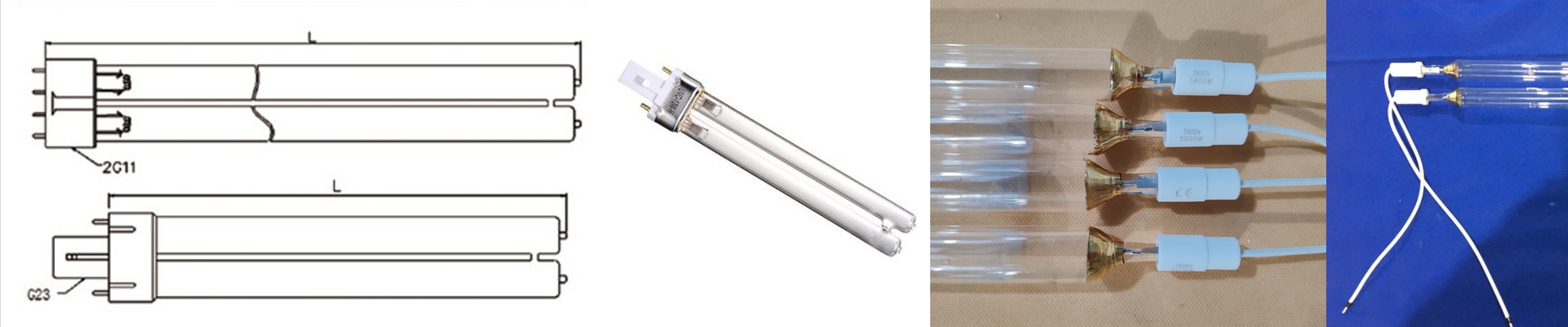
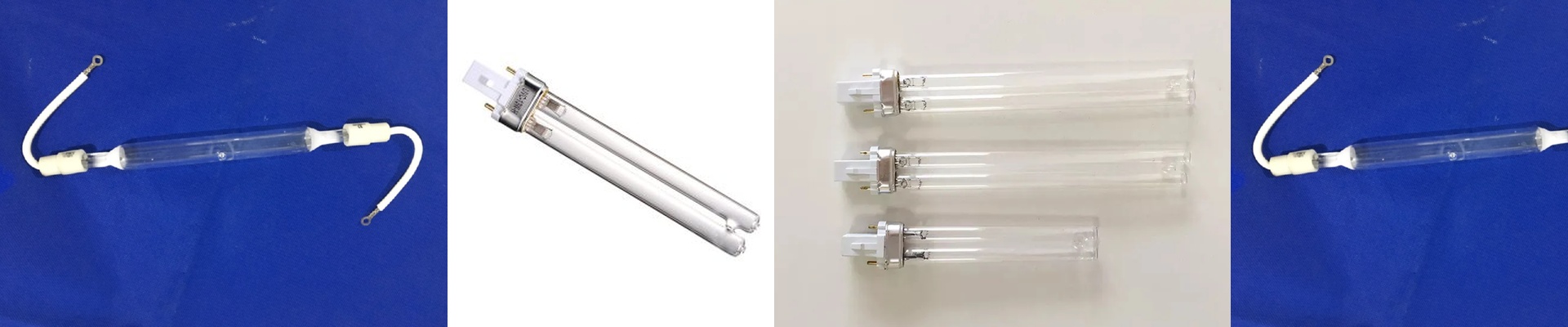
If you’re working with UV radiation in the 250nm to 320nm range, you know the deal. Standard mercury lamps just don’t cut it when you need high-intensity curing or serious sterilization. That’s where our Gallium iodide lamps come in. But here’s the thing. If you’re sourcing these from China to sell globally, the technical specs are only half the story. The real headache? The intellectual property. The way the gas is mixed and how the electrodes are shaped can be the difference between your shipment arriving safely or getting seized at the border. The legal side of things A lot of factories sell “generic” UV lamps. The problem is, these are often just clones of someone else’s patent. If you try to move those into the US or EU, you’re basically playing Russian roulette with patent infringement claims. We do things differently. We own our patents on the filling process and the quartz sealing. For you, that means a clean legal trail. No panic attacks when you file your compliance paperwork and no worrying that your stock will be flagged as counterfeit. It’s just… easier. A word of caution on the tech We build these lamps to hit hard. High irradiance is the goal. But these things runhot. I’ve seen people try to drop a high-wattage GaI lamp into an old fixture and wonder why it died in a week. It doesn’t work. Without a proper cooling jacket or a solid heat sink, the quartz stresses out and the lamp life plummets. Plus, your power supply has to be tuned to the specific strike voltage of our electrodes. If it’s off, you’re just looking at a premature burnout. Keeping your supply chain sane Working with a supplier who owns the tech means you aren’t relying on some third-party license that could vanish tomorrow. We handle everything—the purity of the raw materials, the filling pressure, all of it. This means the lamp you order today will have the exact same spectral output as the one you order two years from now. Your production line stays consistent, and you can actually sleep at night.