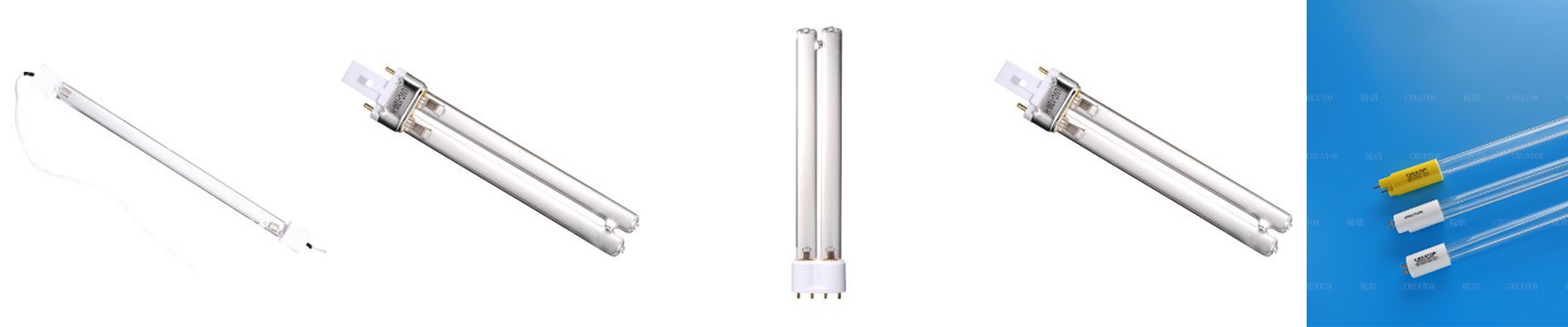
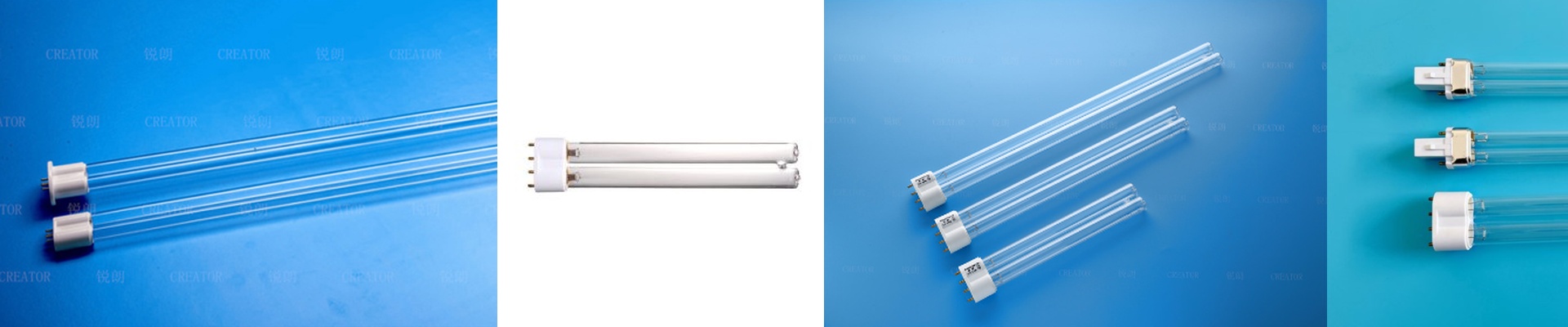
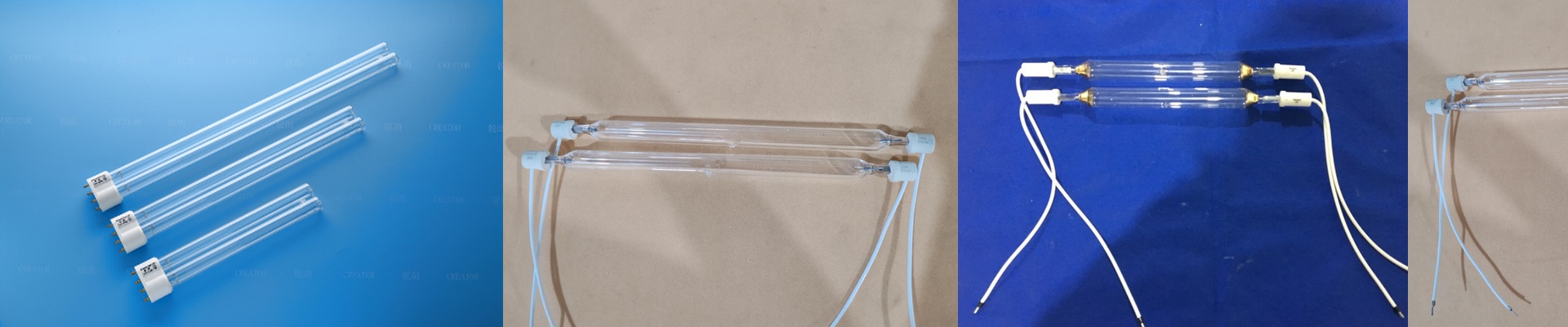
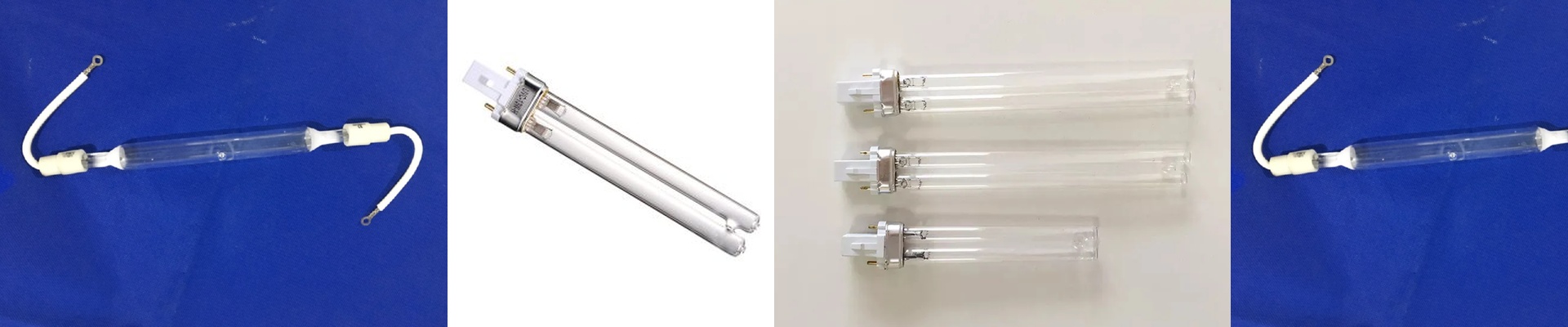
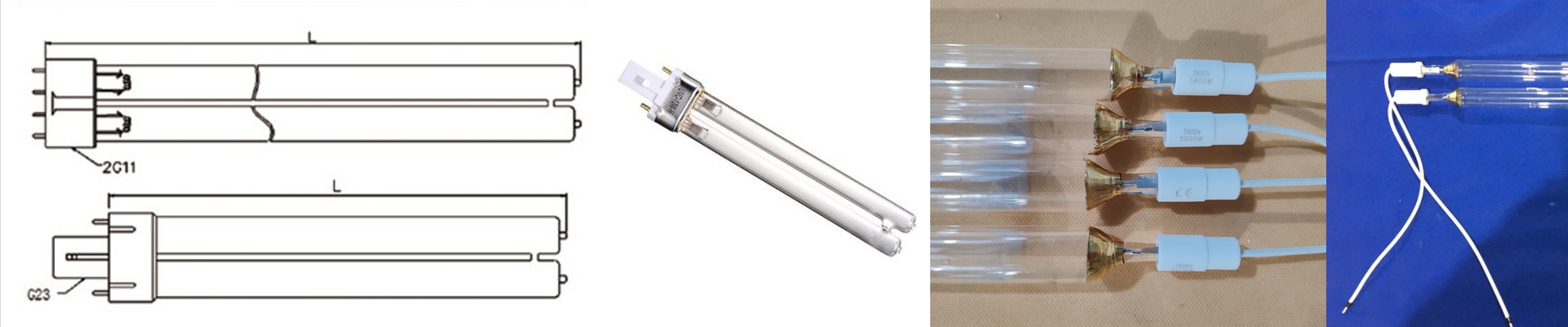
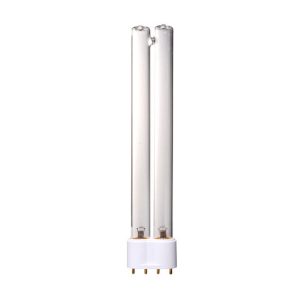
On the shop floor, it’s a constant tug-of-war: you need enough energy density to fully cross-link the ink, but the electric bill keeps climbing. The real question is simple—how do you lock in reliable curing without paying for power you don’t need? What matters under the hood It comes down to how the lamp is built. Our full-energy-saving UV units run on high-pressure mercury vapor, tuned for a clean spectral output. The dominant 365nm line hits photoinitiators in UV inks with high quantum efficiency, and the integrated medium-wave spectrum gives you both surface cure and depth. We match lamp power to press speed so you get 1200 mW/cm² peak irradiance. That hits the typical 500–800 mJ/cm² energy density without over-specifying wattage. The reflector uses a dichroic coating to push UV forward, so you waste less heat and get more usable light. Why this translates on the line This design cuts out the usual energy leaks—inefficient reflectors and needlessly high lamp wattage—so total power draw drops by 20%. You still run the same throughput, and you still get the adhesion and color fidelity you need. The payoff shows up every month on the utility bill, without slowing the production cycle. What to watch for These lamps drop straight into standard UV offset, flexo, and screen systems, but a retrofit still needs a quick check: confirm the existing power supply and make sure the reflector geometry lines up. Lamp output is temperature-sensitive, too. Keep the curing unit’s cooling stable, and you’ll maintain consistent spectral output across the lamp’s 5,000+ hour life.