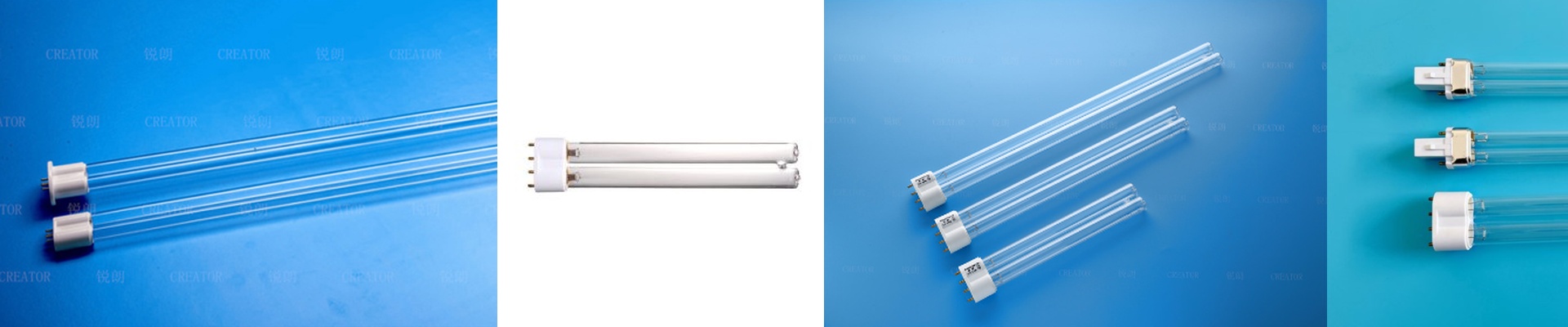
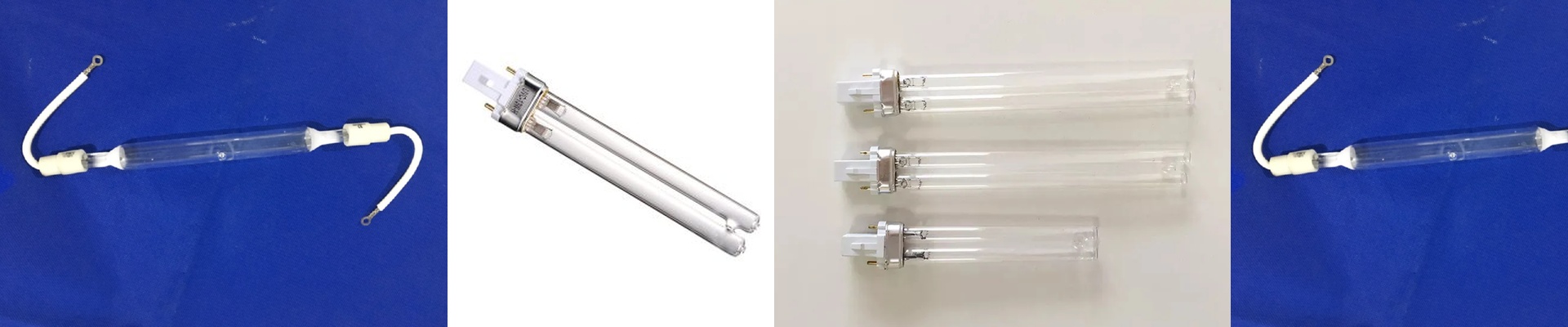
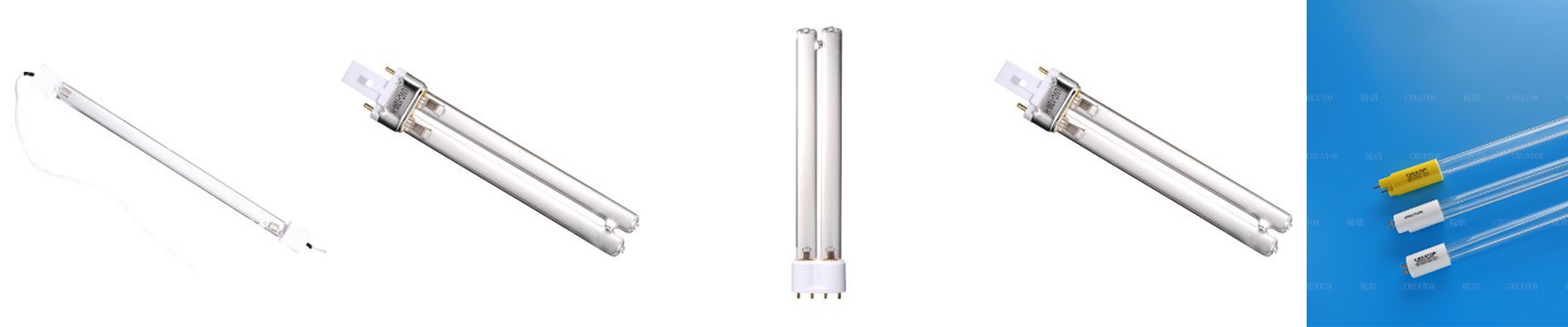
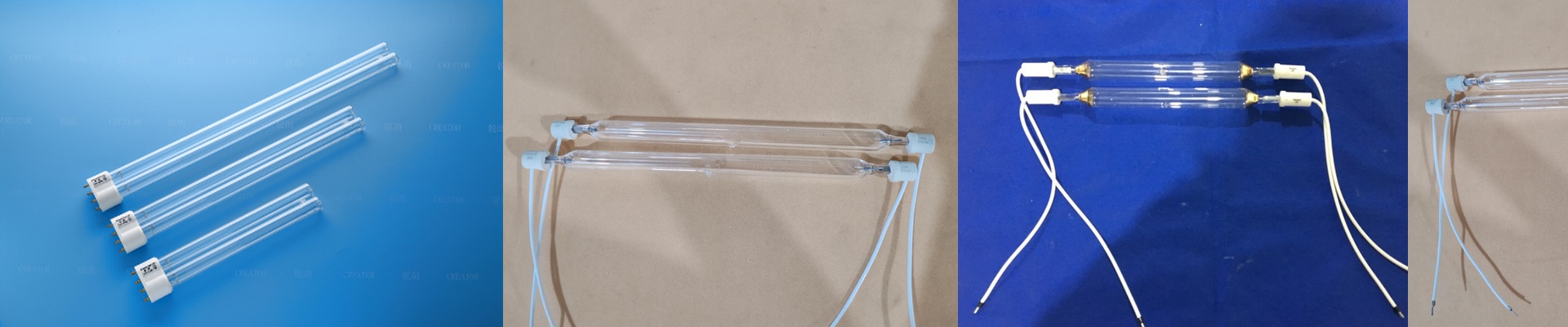
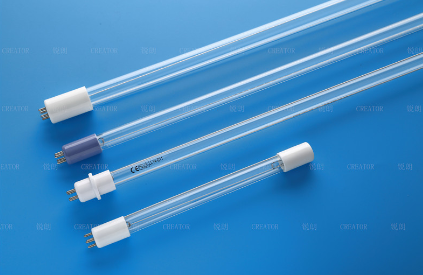
On the wafer dicing line, the bottleneck is often the debonding step, not the saw itself. Those UV films that hold the die frame in place have to come off fast, clean, and without thermal shock to the die. If the UV source can’t deliver a stable, repeatable dose at the right wavelength, you’re looking at residual tack, edge pull, or worse—microcracks that wipe out high-value die. Hot cathode UV germicidal lamps, built for industrial duty, give you a practical path to high-throughput UV debonding—as long as the process is built around spectral control and dose repeatability, not just brute intensity.
What actually matters, technically
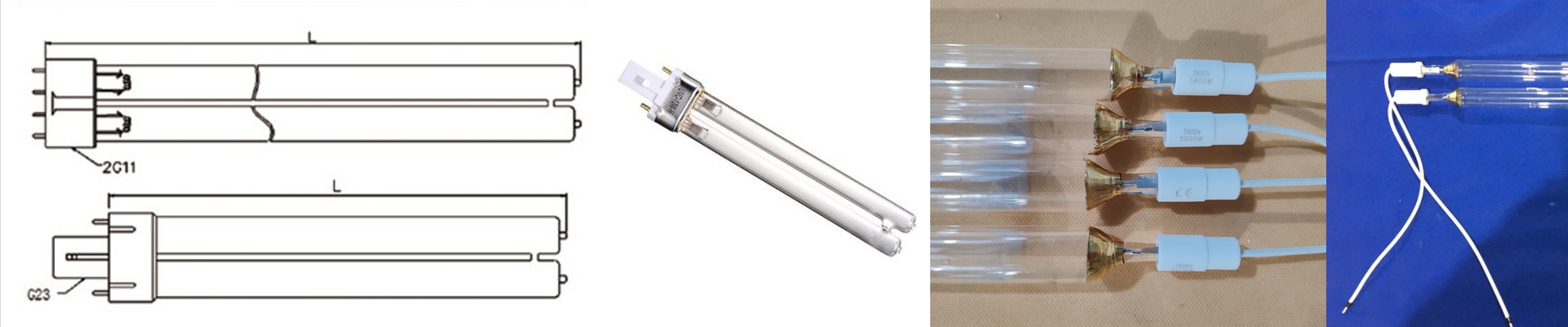
Hot cathode construction is different from cold cathode in the electrode design and fill pressure. That translates to lower electrode temperature at the wall and a more stable arc for long runs. In semiconductor-adjacent debonding, “UV” isn’t the point—wavelength and spectral purity are. We build the lamp around a low-pressure mercury vapor discharge, with the primary output line at 254 nm. That line gets strongly absorbed by the photoinitiator systems in many UV-curable adhesives and by the polymer backbone in UV-release films, driving rapid cross-linking changes and weakening the interface. The lamp is specified with tight spectral tolerances and an ozone-free quartz envelope (synthetic quartz or equivalent) that blocks the 185 nm line. Here are the engineering parameters that make the process hold together:
- Peak irradiance at the work plane: specified in mW/cm², measured with a calibrated radiometer at the relevant distance.
- Delivered dose: irradiance multiplied by exposure time, expressed in mJ/cm². Dose repeatability is the metric that actually maps to line yield.
- Warm-up stability: hot cathode lamps come up quickly and hold output with minimal drop over the work interval.
- Lamp life and output decay: measured as end-of-life (EOL) output as a percentage of initial output. For industrial debonding, we aim for long life with low decay so dose settings stay valid across thousands of cycles.
- Reflector efficiency: dichroic-coated reflectors shape the output and cut losses, boosting delivered dose without raising input power. The system is designed to drop into standard UV exposure modules—defined mounting, arc length, and terminal configuration—so the lamp is a replaceable component, not a custom build.
Why it works in this application
Semiconductor wafer dicing uses UV films to hold the wafer during cutting. After dicing, the film has to release fast, with no residue on the die and no induced stress. The failure modes are predictable: too little dose leaves adhesive active; too much dose risks thermal load and can change the die surface; uneven dose creates inconsistent release force across the wafer. A hot cathode UV germicidal lamp at 254 nm hits those failure modes head-on.
- **Spectral control matches the chemistry.**The 254 nm line efficiently breaks the right bonds and triggers the release mechanism in the UV film, so exposure can be fast.
- **Stable output keeps cycles repeatable.**Once you set the dose, the process stays in control across lamp age, so you’re not constantly retuning.
- **Rapid start keeps the line moving.**The lamp reaches stable output quickly, cutting idle time between wafers.
- **Ozone-free operation protects the cleanroom.**It also prevents unwanted surface oxidation on sensitive materials. In practice, you can run shorter exposure windows because the lamp delivers usable dose at the required distance, and the reflector system focuses energy onto the film instead of wasting it. The payoff is a debonding step that keeps pace with dicing throughput, with fewer rejects tied to inconsistent release.
The details that make the difference
Installation is straightforward, but it still needs attention.
- **Power supply compatibility:**hot cathode lamps need a ballast matched to the lamp current and ignition profile. Stick with the specified ballast to keep output stable and avoid premature electrode wear.
- **Thermal management:**hot cathode lamps run cooler at the envelope than some high-intensity sources, but the arc still produces heat. Keep the designed airflow and spacing so the work plane temperature stays within limits.
- **Radiometry discipline:**dose depends on irradiance and time, and both have to be measured. Calibrate the radiometer for 254 nm, map field uniformity, and document the distance-to-dose relationship.
- **Lamp orientation:**mount the lamp as specified to maintain the designed irradiance profile. Changing orientation can shift the spectral distribution and cut delivered dose. One trade-off you should own up to: the lamp delivers high quantum efficiency at 254 nm, but it’s not a broadband source. If your film chemistry is tuned to longer wavelengths—365 nm, 385 nm, or 405 nm—you’ll need a different lamp family. For 254 nm-reactive systems, this is the right tool. We design the lamp for long life and stable output, but the reflector and window still need to stay clean. Any contamination on the reflector or the lamp envelope directly reduces delivered dose. Keep the optical path free of dust and process residue, and you’ll get consistent debonding shift after shift. When the objective is predictable, high-yield debonding after wafer dicing, the hot cathode UV germicidal lamp brings controlled wavelength, repeatable dose, and industrial reliability—without making the process more complicated than it needs to be.