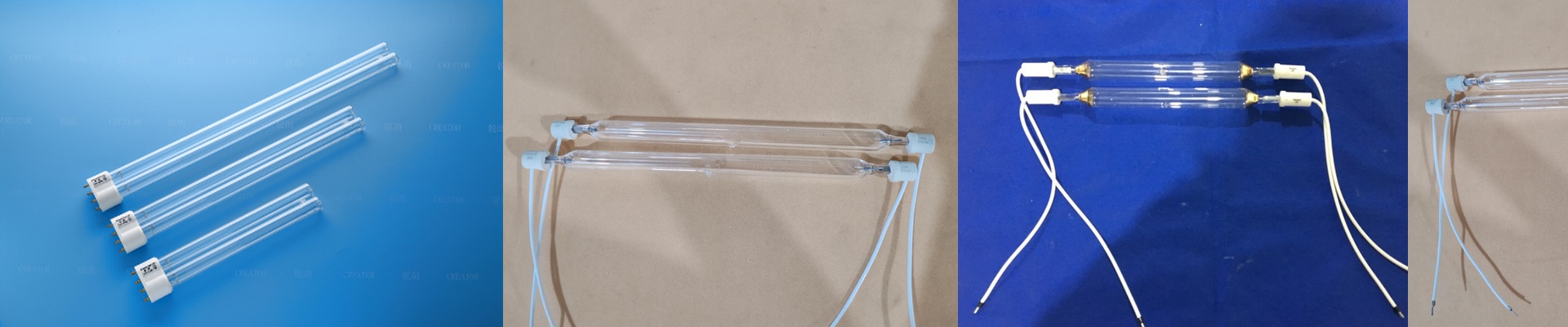
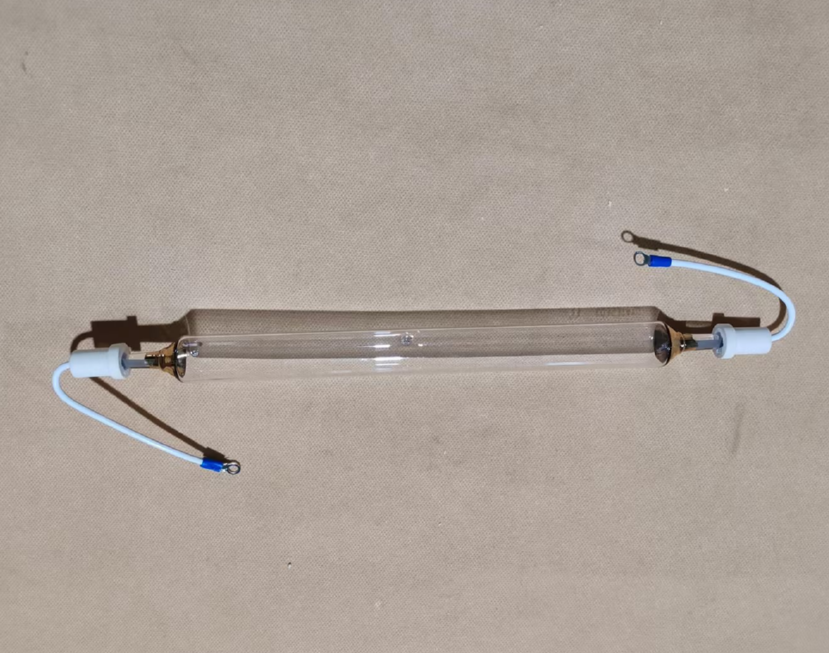
Streetwear printers live and die by color control. Clients want saturated color that doesn’t drift from the press proof to the run, and that kind of consistency starts with the UV lamp spectrum hitting the ink. What actually matters UV curing isn’t one number. It’s spectral output and the energy density you actually deliver to the film. A high-pressure mercury vapor lamp punches hard at 365 nm, with solid lines at 313 nm and 436 nm. With pigment-heavy inks, that 365 nm gets deeper, so you avoid surface skinning and drive full cross-linking through the film. Screen inks lay down thicker, so you need higher peak irradiance—often 1200–1600 mW/cm²—and a broad, stable spectral profile to keep photoinitiators active all the way through the stencil depth. Flexo inks are thinner, so they cure fast. But if the spectrum is off, you can get yellowing. Keeping the 385–405 nm contribution under control and minimizing IR heat reduces substrate stress and keeps whites clean. And the reflector package—reflector efficiency plus dichroic coatings—determines how much usable UV actually reaches the substrate instead of turning into heat. Why this matters for premium color When you’re chasing repeatable color with minimal CIE shift, you match lamp output to the ink chemistry. Use 365 nm for depth and pigment stability, and 385–405 nm to manage surface finish. That’s how you get higher saturation without jacking up pigment loading. The payoff: stable Pantone matches, consistent gloss, and fewer rejects from incomplete cure or heat distortion. The practical details You have to match lamp choice to the press architecture. Lamp length, arc gap, and reflector geometry need to fit the curing station; otherwise, irradiance uniformity falls apart. High-power lamps throw off a lot of IR, so heat management isn’t optional—especially on heat-sensitive substrates. And lamps decay over life. Track output with a spectral radiometer and plan replacements so energy density stays inside the window you need.