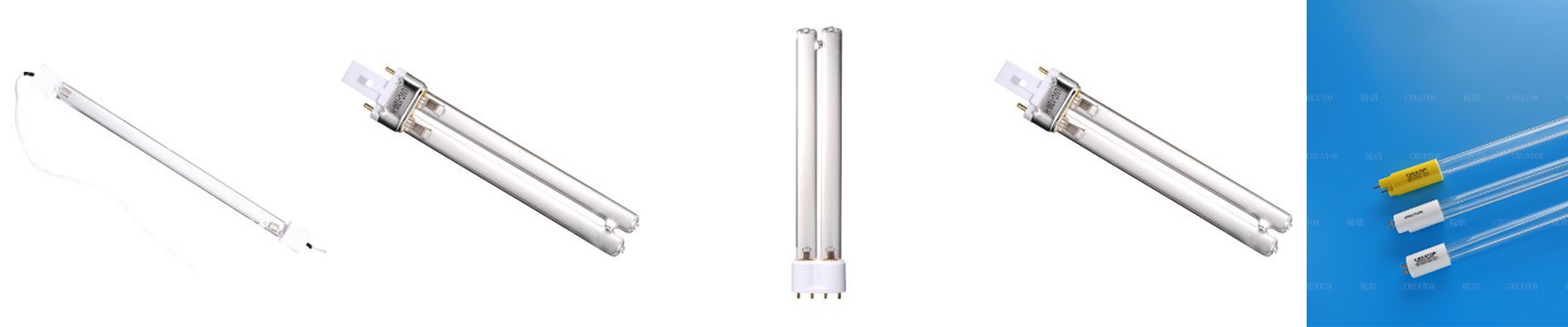
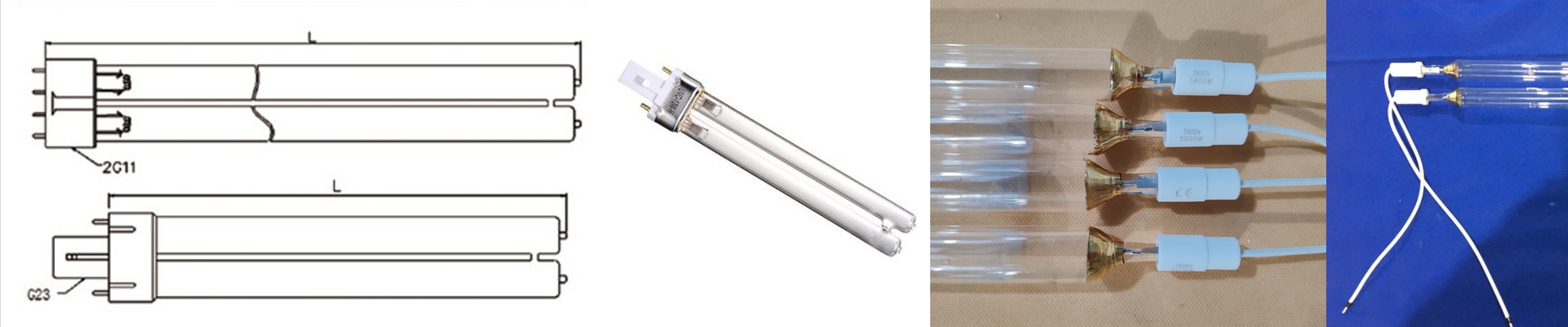
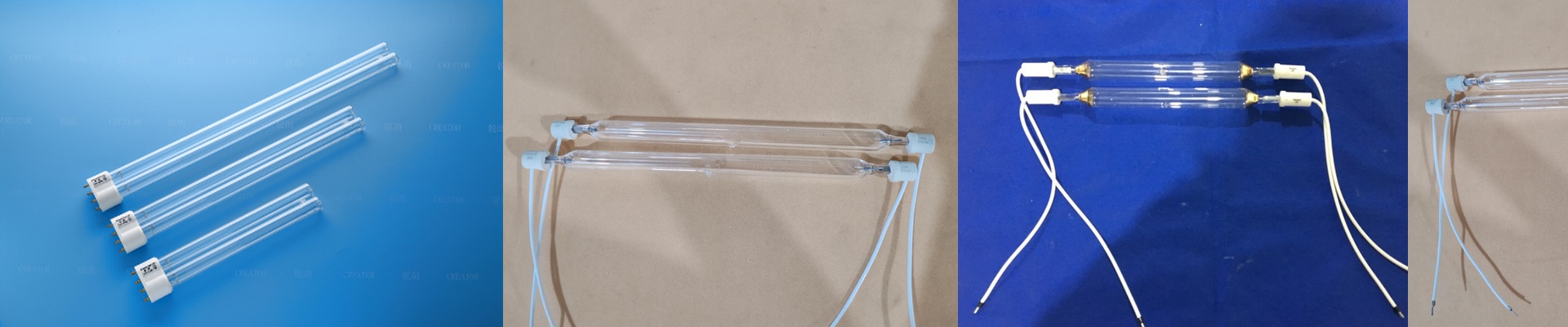
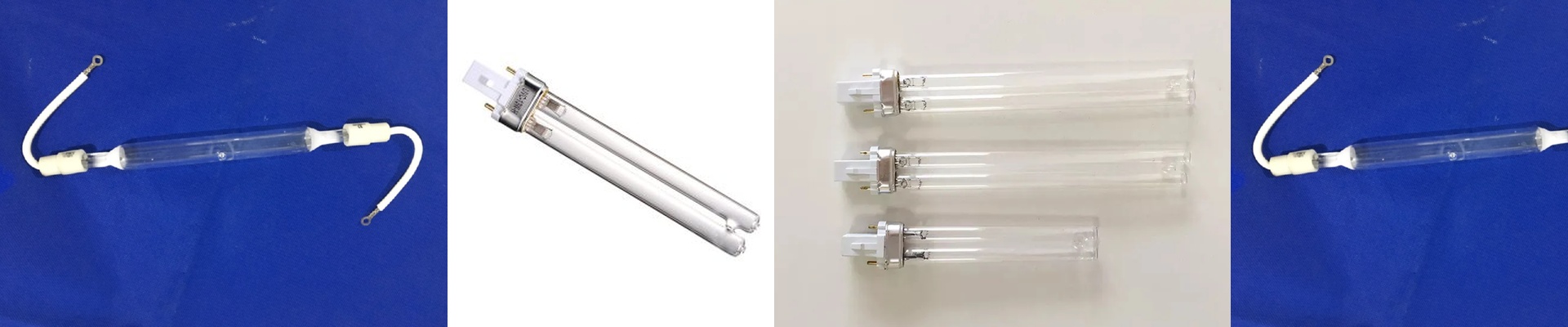
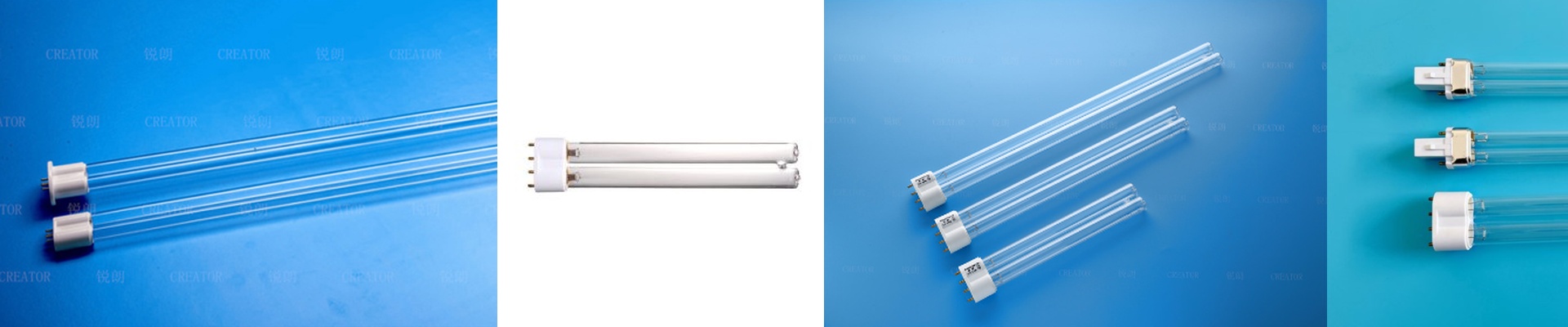
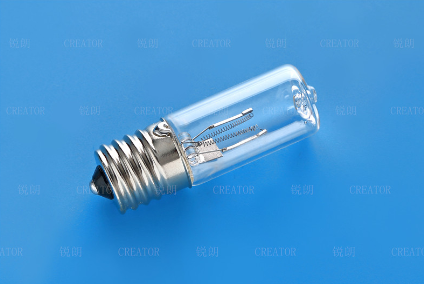
On the floor, a lamp that doesn’t match the press doesn’t just burn watts. It gives you inconsistent cure, pinholes on screen work, and flexo prints that won’t stick. Nine times out of ten, the problem is the printer’s power curve. If the lamp’s internal voltage isn’t matched to it, the arc hunts, spectral output drifts, and you end up slowing the press just to keep things stable. What matters, technically We build replacement mercury lamps with electrical customization so the internal voltage can be tuned to your machine profile. This isn’t a one-size-fits-all deal. The quartz arc tube is chosen to hold stable spectral output across the UVA band, keeping peak irradiance at the arc distance your reflector was designed around. Over life, we hold output stability tight—low intensity decay and a spectral shape that stays consistent—so photoinitiator response repeats job after job. Long life comes from controlling electrode wear and thermal stress, not from hype. Why it works where it counts When the lamp matches the printer’s power curve, the arc strikes clean, the energy density at the substrate stays repeatable, and cross-linking happens uniformly. You get a wider, more predictable curing window, fewer rejects, and less downtime spent swapping lamps. Energy use drops because the system stops overdriving just to chase cure, and the reflector runs the way it was intended. A few things to get right Electrical customization means feeding us the correct machine parameters and matching the connector interface. Give us the exact voltage range, ignition characteristics, and arc length constraints. Check the reflector condition and cooling airflow. A dirty reflector or airflow that’s restricted will wipe out any gains from lamp matching. And confirm the lamp is ozone-free to match your chamber design.