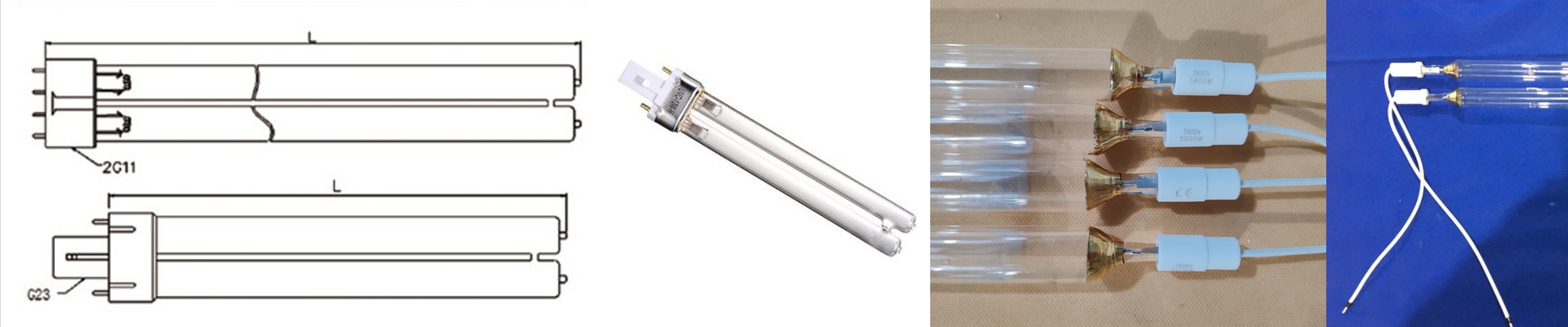
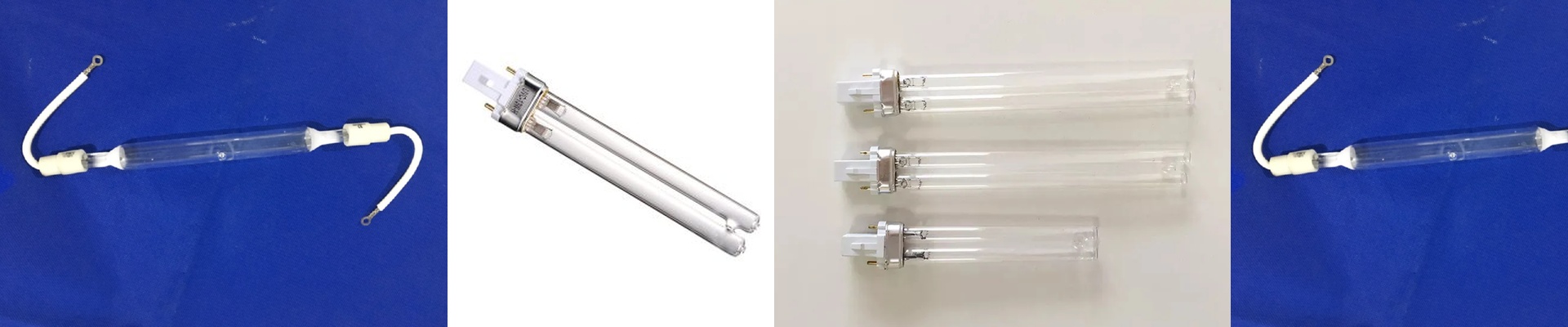
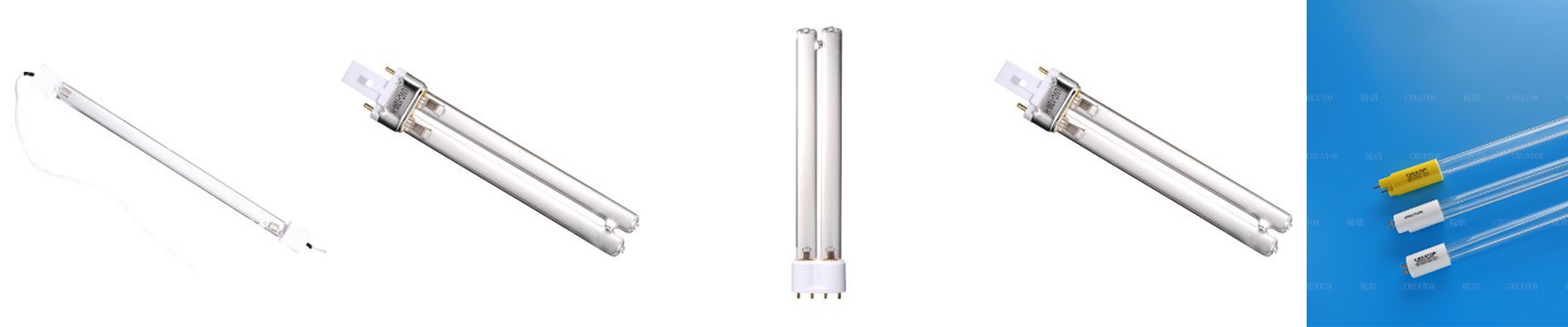
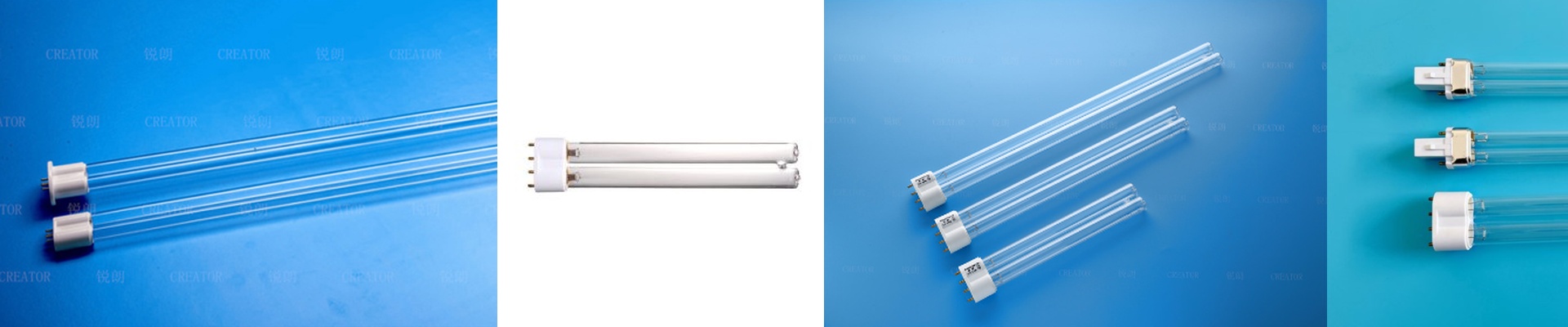
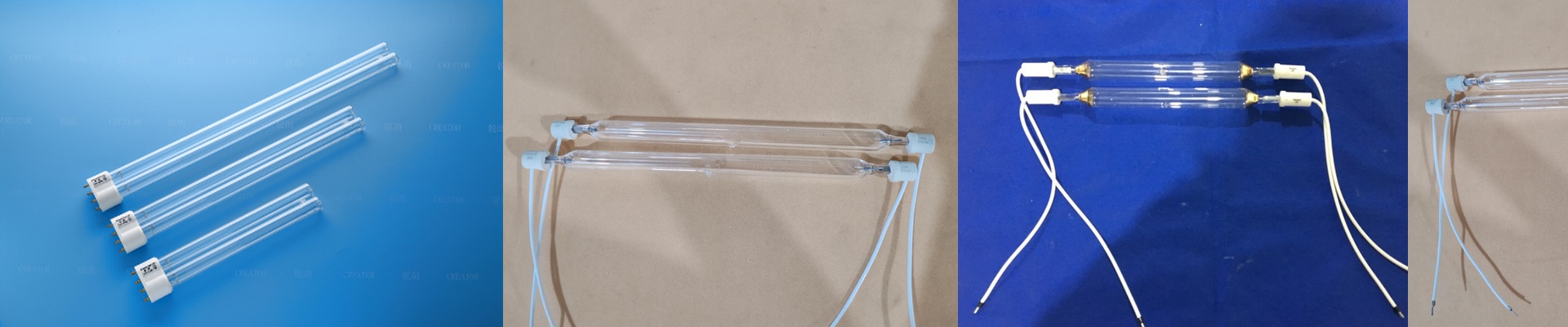
Whether you’re running a forensic lab or a line that throws dust and debris everywhere, the reflector and lamp window take a beating. Dust films eat UV and scatter what’s left, and a poorly designed housing pushes thermal output all over the place. Both kill repeatability. We built a fully enclosed reflector UV lamp to keep the optical path clean and hold thermal output steady. Here’s what matters in practice: spectral control and energy density. We run a high-pressure mercury vapor lamp, with tight spectral lines at 365 nm, 385 nm, and 405 nm—matched to photoinitiator absorption. The reflector uses a high-reflectivity dichroic coating on a sealed quartz dome, so we image the arc onto the target with minimal loss. Peak irradiance stays above 800 mW/cm² at the work surface, and we hold curing energy density at 800–1200 mJ/cm² across a 24-hour shift. After warm-up, output stability is ±2%, and lamp life targets 5,000+ hours with less than 5% drop. Why it holds up on the floor: the enclosure keeps dust off the reflector and shields the lamp envelope, so you stop chasing intensity swings. The sealed design keeps the arc environment consistent, which stabilizes thermal output—no more curing drift when ambient particulate spikes. The payoff is consistent cross-linking, fewer rejects, and predictable lamp replacement intervals. A couple of real-world notes. The fully enclosed geometry means service access is tighter, so lamp exchange requires aligning the reflector and verifying focal distance. Make sure your power supply matches 220 V/50–60 Hz and that your equipment can accommodate the quartz envelope dimensions. For best results, baseline intensity with a spectral radiometer and track energy density per shift.