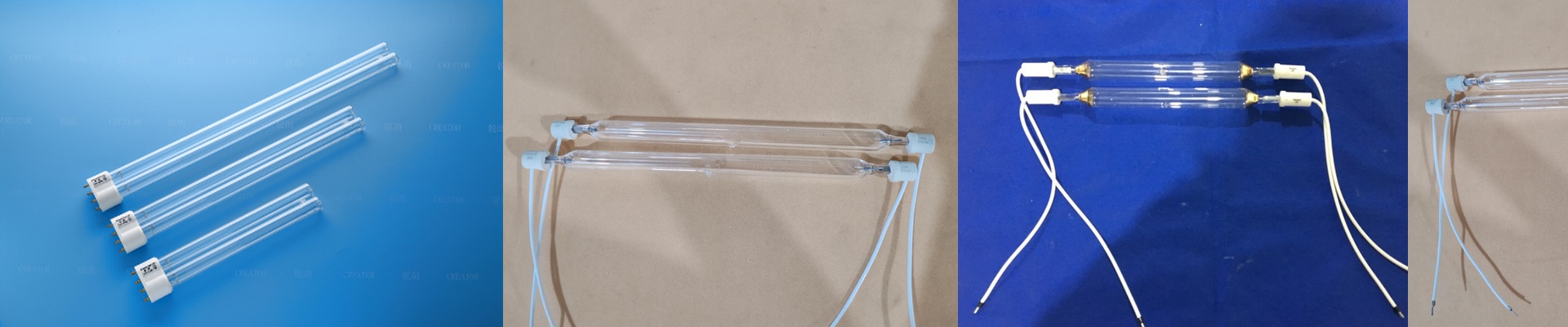
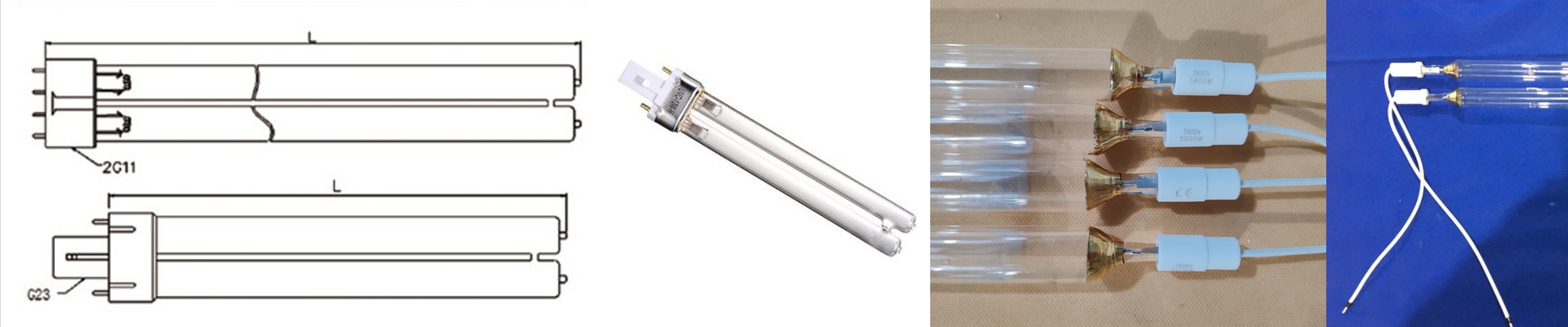
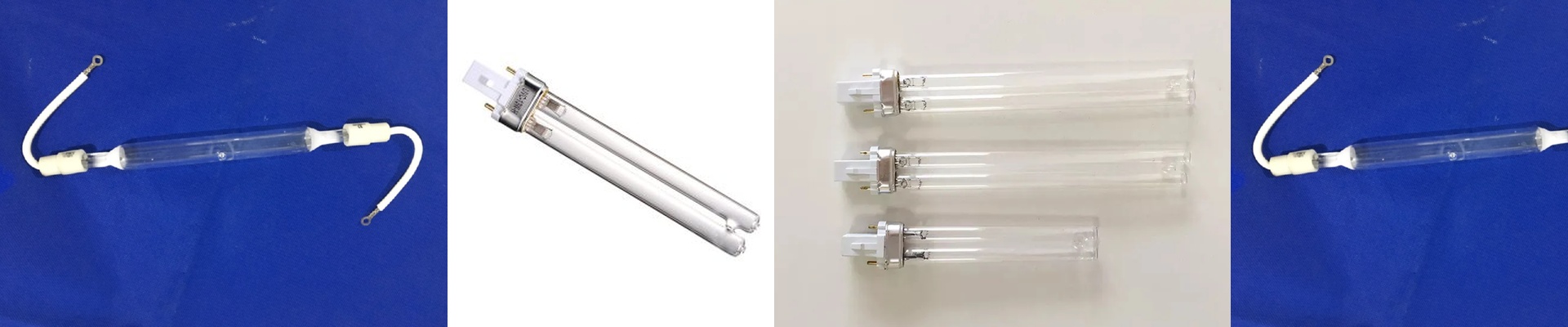
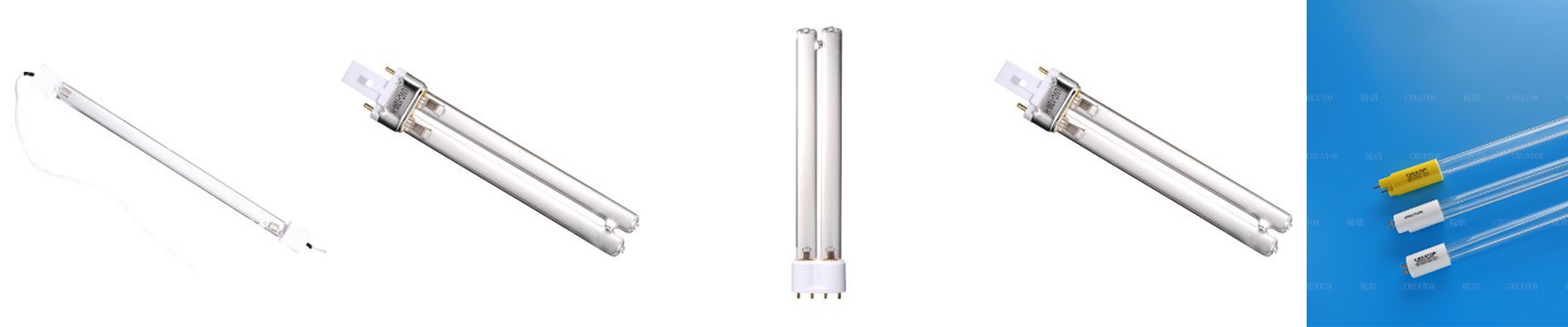
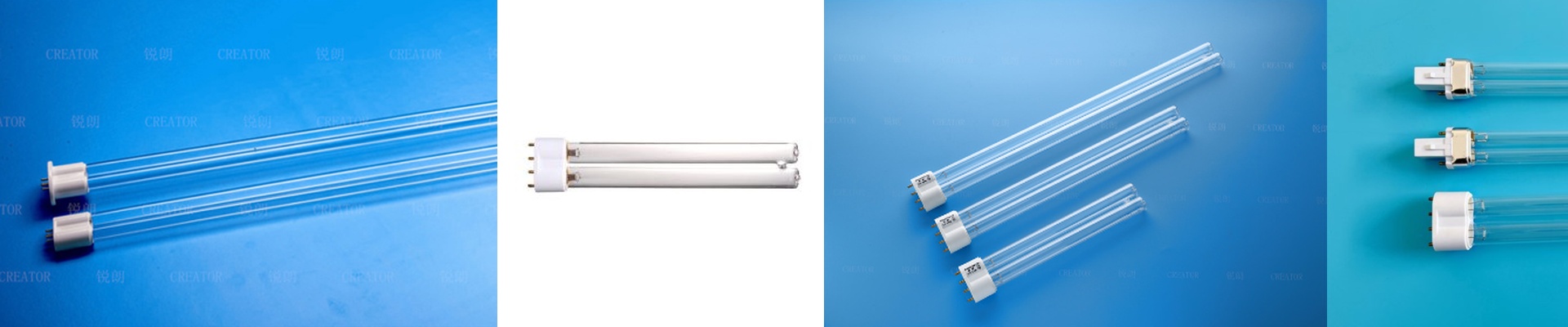
On press, a dim lamp and a slow cure aren’t separate issues. They’re the same headache. Once the quartz sleeve starts loading up—ink mist, dust, coolant residues—spectral output drops and peak irradiance collapses. The photoinitiator simply doesn’t get enough energy, cross-linking stalls, and you’re left chasing adhesion, cure speed, and substrate temperature all at once. We built cleaning-ready quartz sleeves so the lamp can deliver consistent 365nm/385nm/405nm output across offset, flexo, screen, and gravure lines, without that steady drift caused by film build. Here’s what actually matters: the optical path. The sleeve has to keep UV transmittance high and the thermal profile repeatable, while the reflector keeps energy focused on the substrate. These sleeves are built to take repeated cleaning—rinse, wipe, or ultrasonic—without clouding or cracking, so lamp output stays stable over a 5,000+ hour run. That stability is what keeps curing energy density predictable, so you can hold dot gain, adhesion, and cure-through on thick inks without having to overrun power. Why it works in production comes down to uptime and repeatability. With a clean sleeve, the lamp holds target irradiance, curing windows tighten, and rejects drop. Energy draw stays where it should, and you spend less time swapping parts. That’s how we deliver OEM-matched performance at a production price—clean optics, stable output, and fewer unplanned stops. A few practical notes before you spec one in. Verify sleeve dimensions, end-seal type, and ozone-free requirements against your lamp head. Some presses run hotter in the lamp chamber, so confirm coolant compatibility and let everything cool down fully before cleaning to avoid thermal shock.