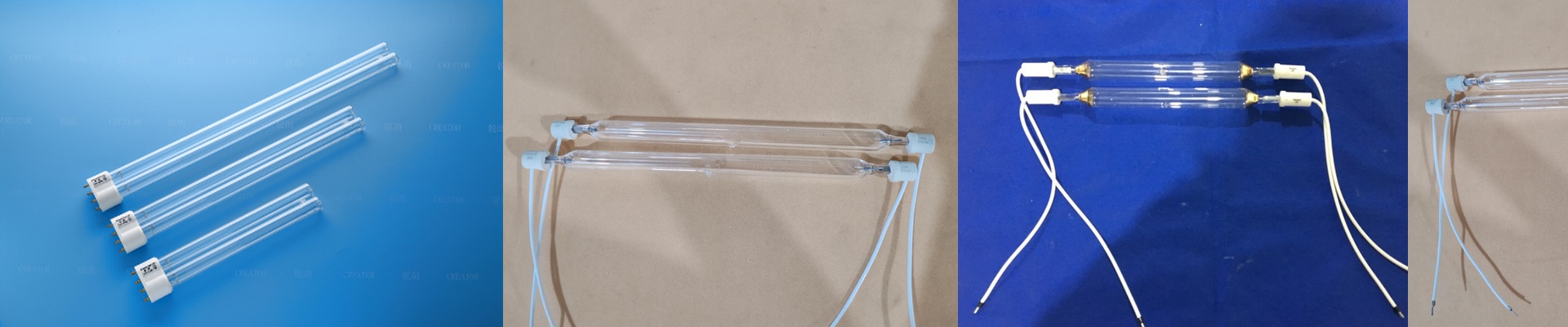
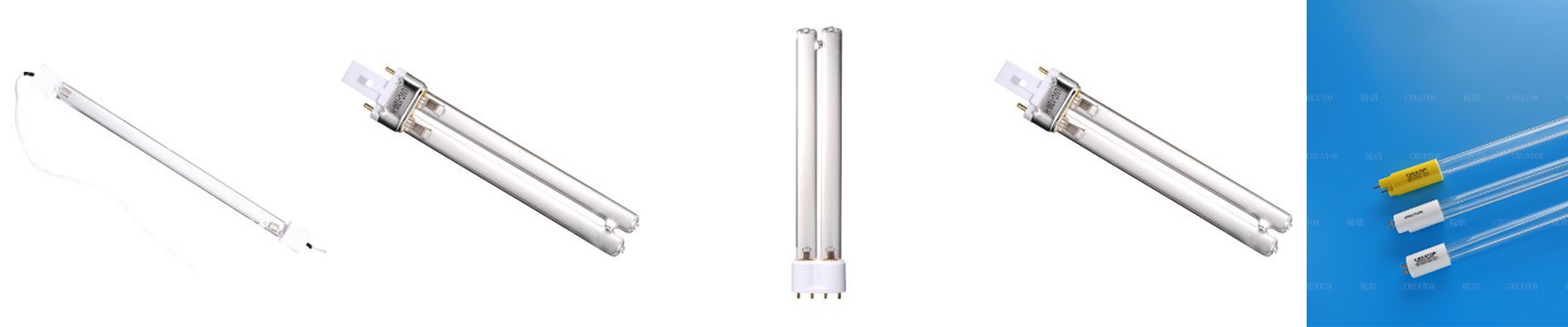
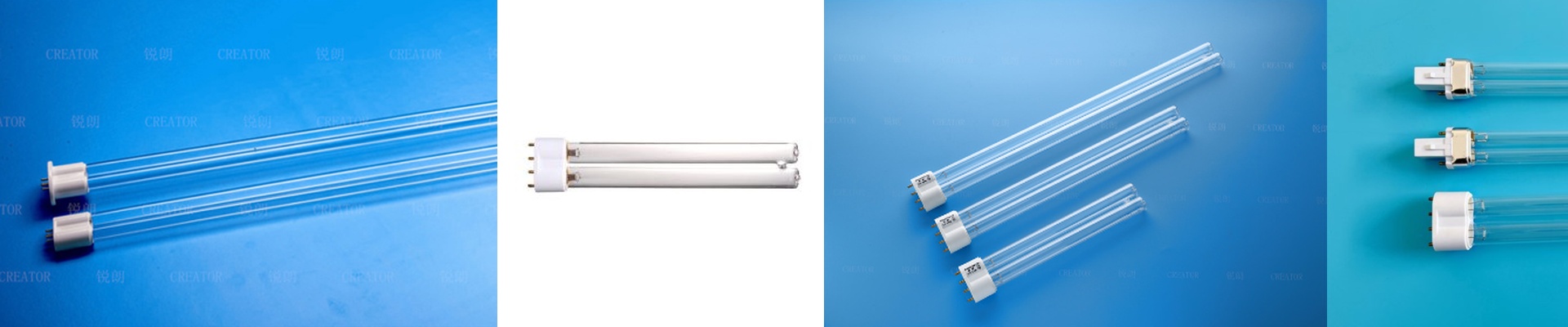
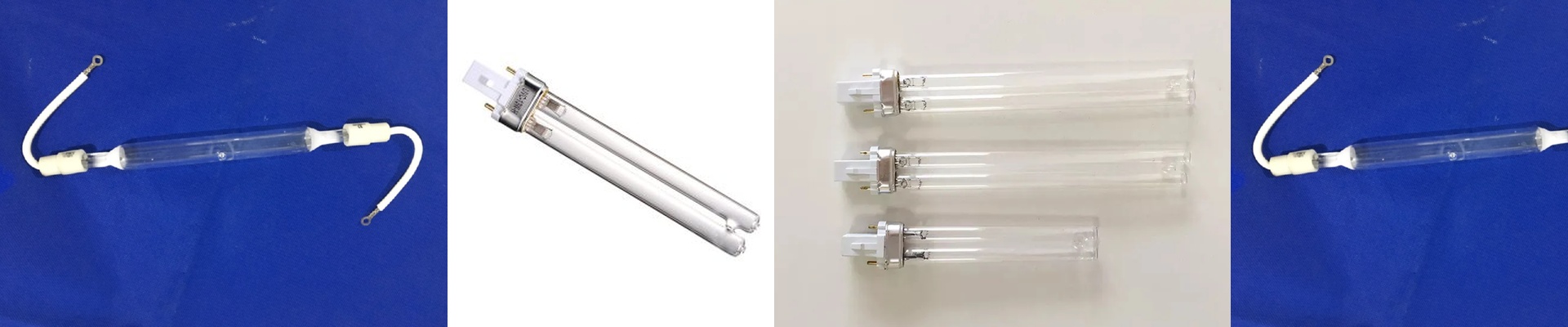
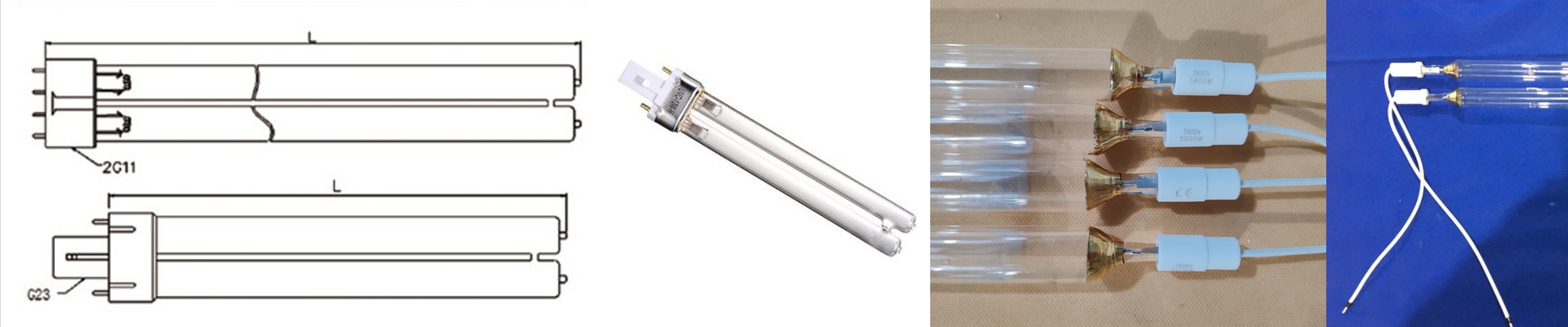
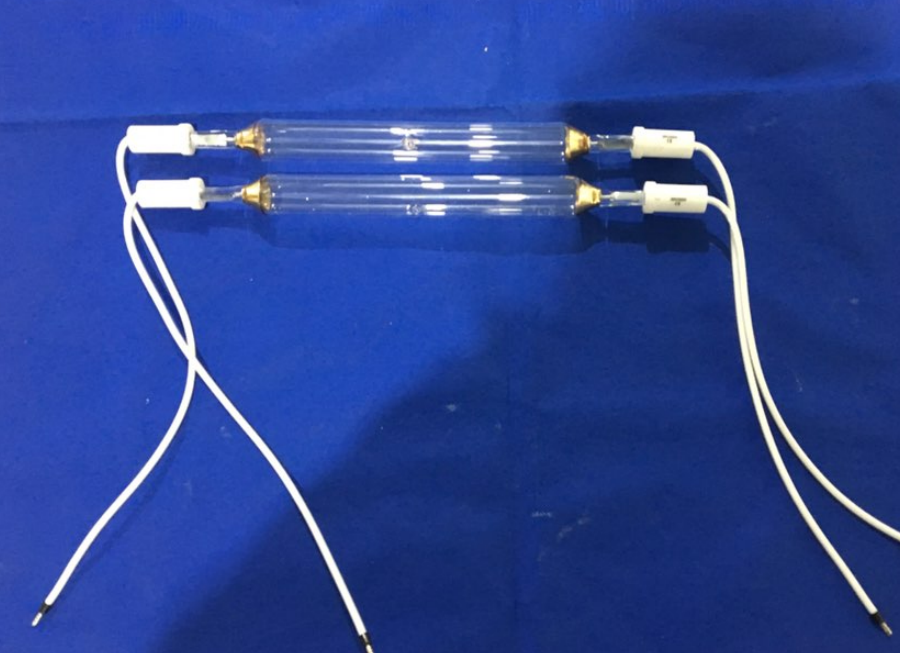
Outdoor canvas takes a beating the second it leaves the press—sun, wind, rain, the whole deal. If the UV cure isn’t dialed in, you get a skin-cured print with an under-crosslinked core. That’s how you end up with premature fading, cracking, and a stack of expensive reprints. When you’re running a Hanovia-compatible replacement, it has to deliver stable spectral output and repeatable energy density. Raw wattage doesn’t tell the story. What matters, technically We build the replacement to match the Hanovia arc length, envelope diameter, and electrical interface, so you can drop it in without rewiring or reworking the reflector. The spectrum stays centered on the 365nm and 385nm bands—exactly where the photoinitiators in pigmented UV inks absorb efficiently. Peak irradiance is tuned to push through thick ink deposits on canvas, so you get deep-layer crosslinking instead of a surface-only cure. Instant-on ignition kills idle time, and the quartz envelope with dichroic coating throws energy forward, keeping waste heat off the substrate. We call out lamp life as a measured curve, not a slogan: stable output through 5,000+ hours with minimal droop, so your cure dose stays consistent across the roll. Why this works in the real world Outdoor canvas needs a full cure to stand up to UV degradation. With this lamp, you get an instantaneous cure at line speed, so the ink sets before the substrate can soak up solvents or moisture. Deep penetration means the pigmented layer is fully crosslinked, not just tacky on top—and that shows up as better weather resistance in accelerated aging tests. Consistent dose keeps color stable job-to-job, and the reflector-matched output cuts energy waste, lowering operating cost per square meter. Here are the details that keep you out of trouble Match the lamp to the reflector geometry and the printer’s power supply. A mismatched reflector wastes UV and drives lamp temperature up, which shortens life. Before you order, confirm arc length, base type, and voltage. Keep the hood running at the designed airflow—overheating the lamp drops output and can crack the quartz. For the best adhesion and weatherability, run a properly maintained reflector and use a spectroradiometer-based dose check during startup.