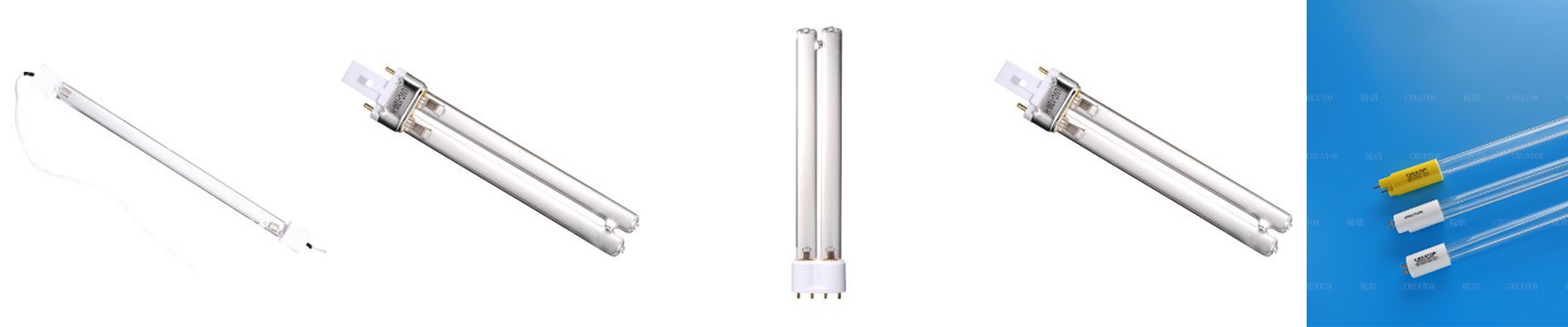
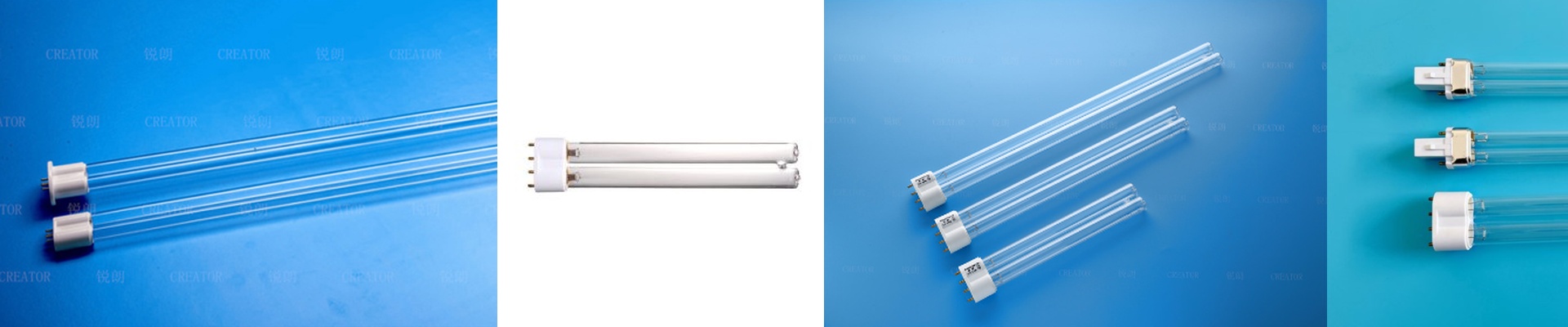
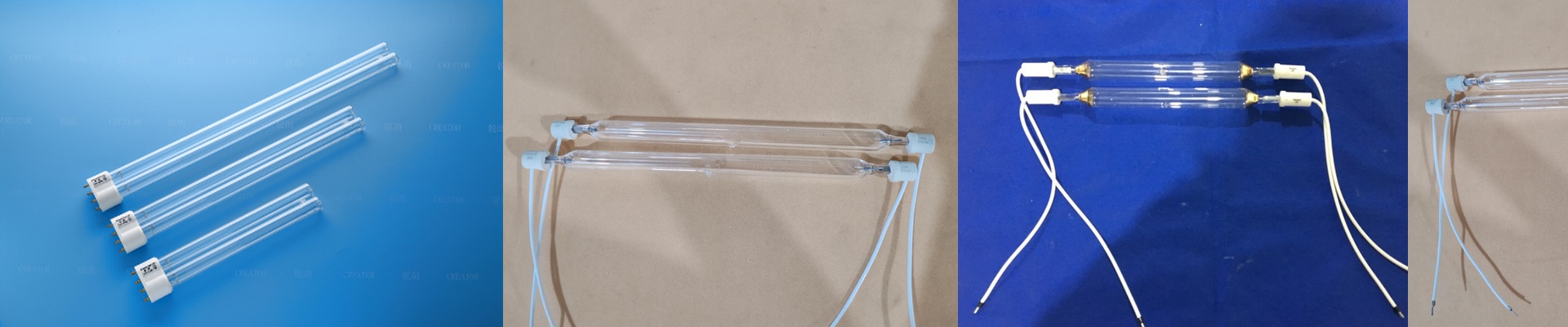
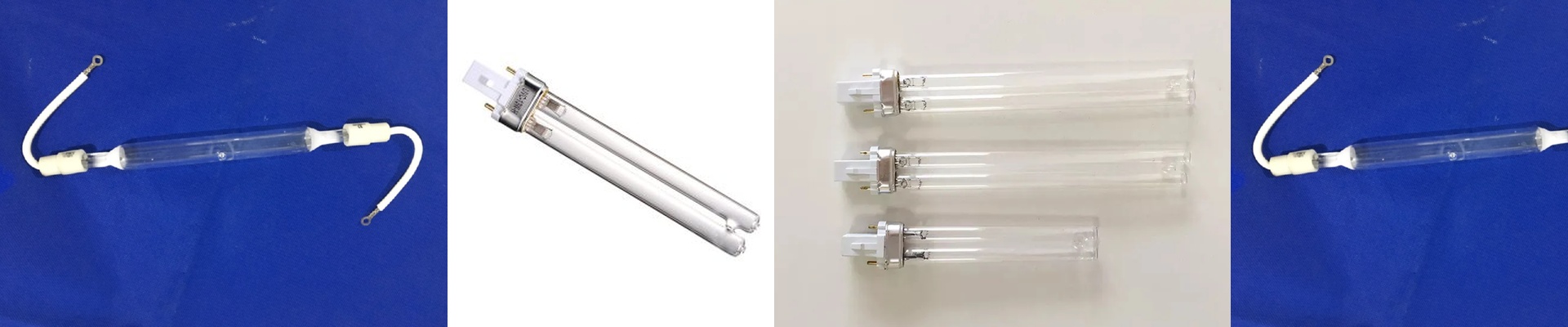
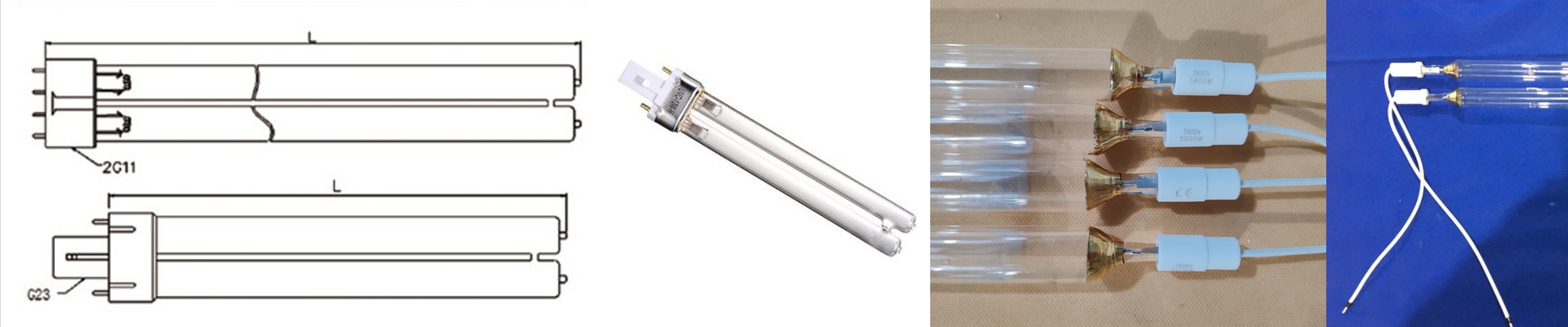
On the press floor, ink cure failures and energy waste are not abstract—they stop the line. When a job changes, fixed-output UV lamps force a trade-off: over-cure to be safe and pay for it in heat, ozone, and lamp stress, or under-cure and face adhesion loss and scuffing. Next-generation smart UV curing starts with dimmable lamp power you can tune to the ink chemistry and substrate, then verify from a distance. What Matters Technically We build dimmable UV curing around a high-pressure mercury vapor lamp and a reflector assembly engineered for stable spectral output at 365nm, 385nm, and 405nm. Dimming control varies lamp power to match photoinitiator absorption, maintaining the required curing energy density (mJ/cm²) without pushing peak irradiance beyond what the coating can use. Remote energy monitoring reports lamp power, arc temperature, and cumulative energy dose in real time, so you can set a window for each job and confirm it is held within tolerance. Why It Works Here In industrial printing—offset, flexo, and screen—repeatability is the real metric. With dimmable UV power, you can reduce power on heat-sensitive films and increase it on thick ink deposits, shortening curing windows without scorching. The remote dashboard makes energy use visible, so you can cut standby power and align settings to OEE targets. Expect fewer lamp replacements driven by thermal cycling, and more consistent cross-linking across shifts. Things to Know This system is compatible with standard UV curing fixtures, but integration depends on your existing lamp driver and interlock logic. The lamp requires forced-air cooling and stable mains voltage; performance falls if airflow is restricted or voltage sags. Verify connector type, lamp length, and reflector dichroic coating against your press model before retrofit.