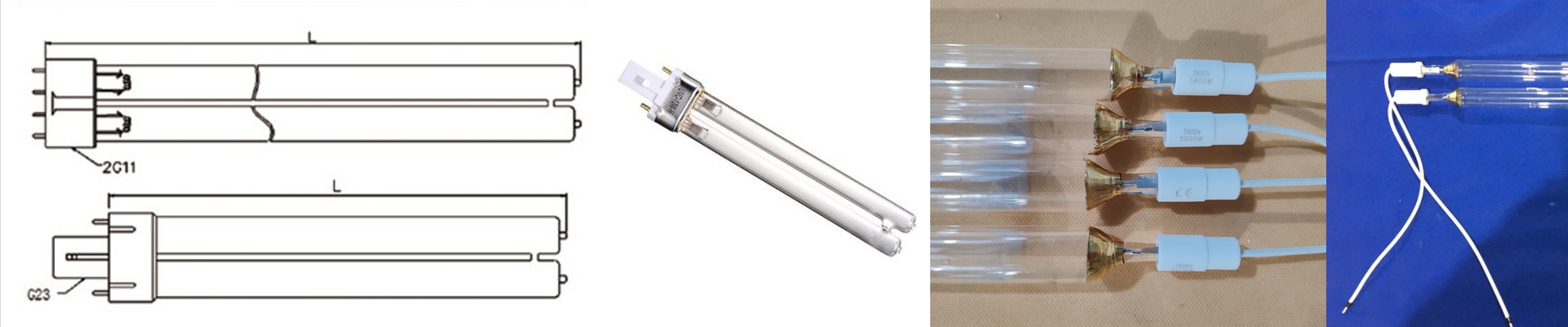
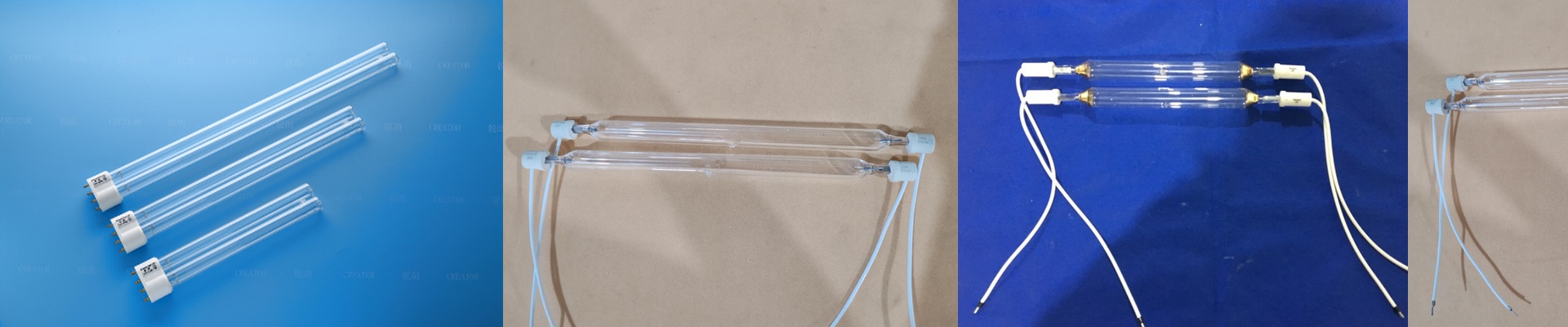
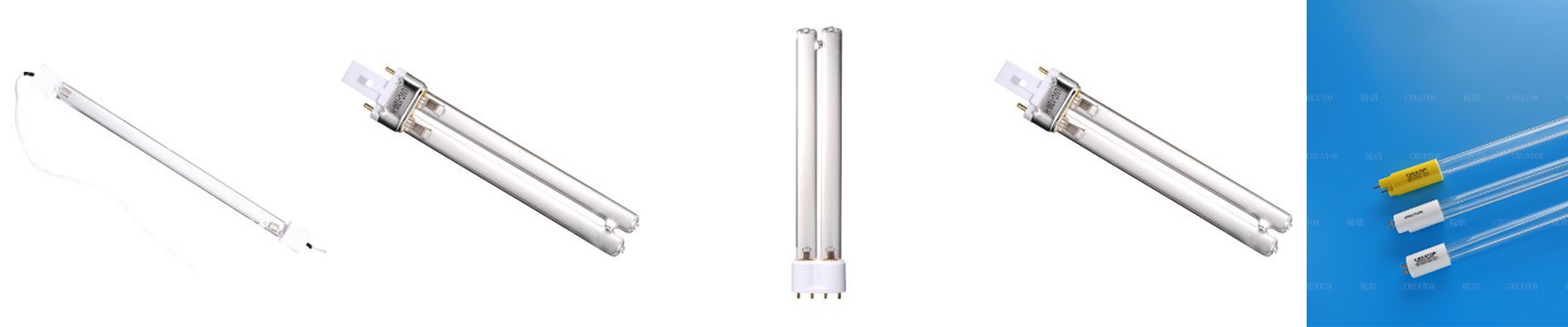
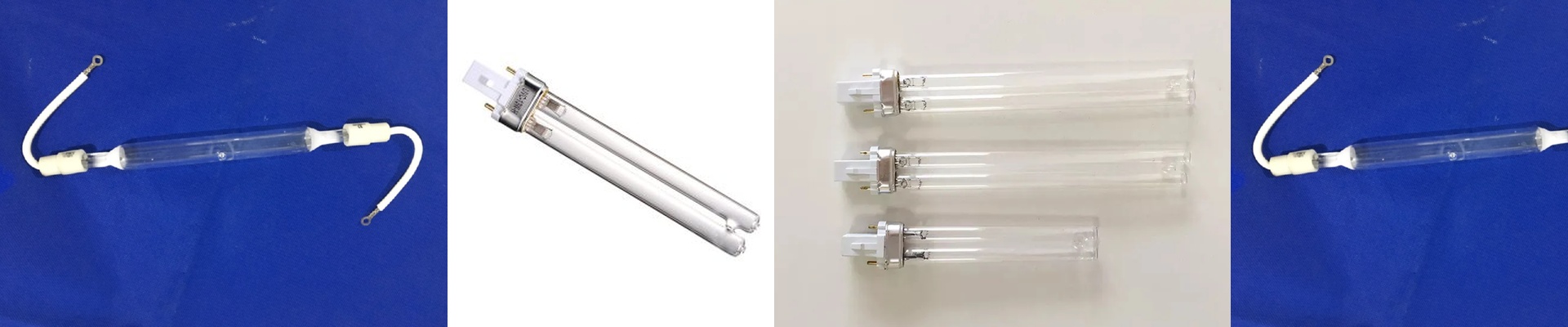
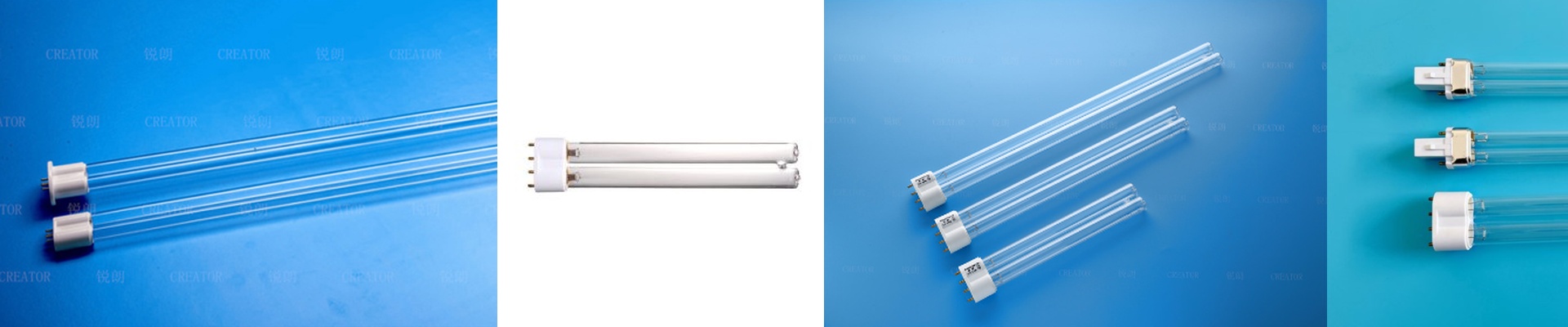
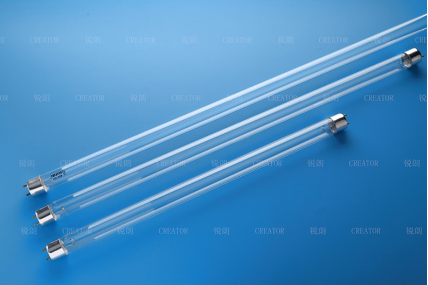
Why that 0.5% actually matters in your UV lamps
Most UV bulbs on the market just aim for the general 253.7nm target and call it a day. We decided to push our R&D a bit further to tighten that spectral energy concentration by another 0.5%. Now, that might sound like a tiny number. But this is about the physics of how DNA actually breaks. When the peak is tighter, more photons hit the exact spot where microorganisms are most vulnerable. Less energy is wasted on wavelengths that don’t do the job. The tricky part of the build Getting that shift isn’t easy. It takes a lot of obsessing over mercury vapor pressure and how we dope the quartz glass. We use high-purity synthetic quartz because if the glass is even slightly off, it blocks the UVC output. Worse, the lamp burns out faster and your power drops. You get a much higher intensity this way, but there’s a catch: your ballast has to be tuned perfectly to the lamp’s impedance. If they aren’t a match, the arc will flicker and you’ll kill the tube. Keeping things consistent When you’re ordering these in bulk, the biggest headache is consistency. Nobody wants a shipment where half the bulbs are drifting away from that 253.7nm peak. To stop that, we track the spectral output of every single batch. We also use standardized end-cap seals. It sounds boring, but it stops those tiny air leaks that make the glass darken prematurely. Real-world setup Here is a tip for when you’re wiring these into a large array: keep an eye on the heat. Because the spectral density is higher, your sockets are going to get warmer. If you’re packing these into a tight space without much airflow, that heat buildup can actually shift the spectral peak. Make sure your cooling fans are up to the task. Keeping the lamp surface temperature stable is the only way to make sure that 0.5% precision we worked on in the lab actually works for you on the shop floor.