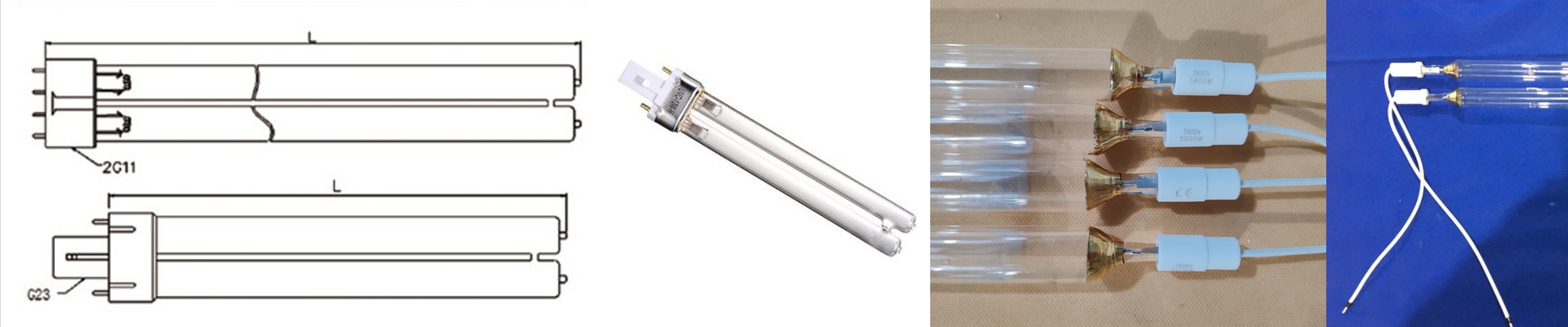
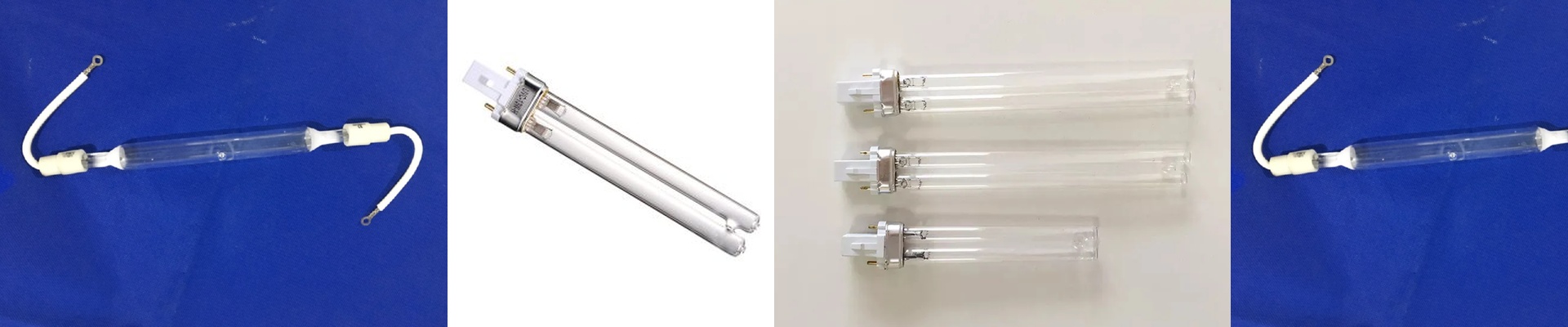
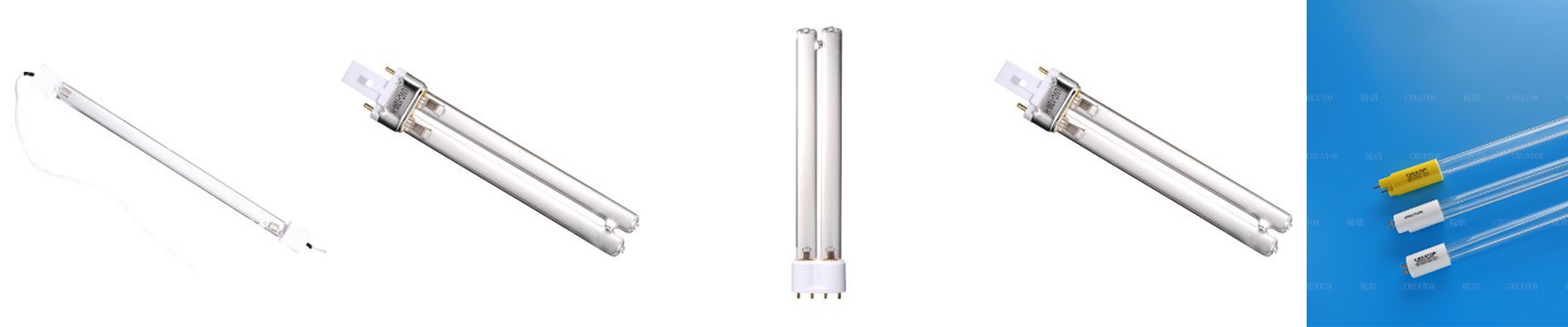
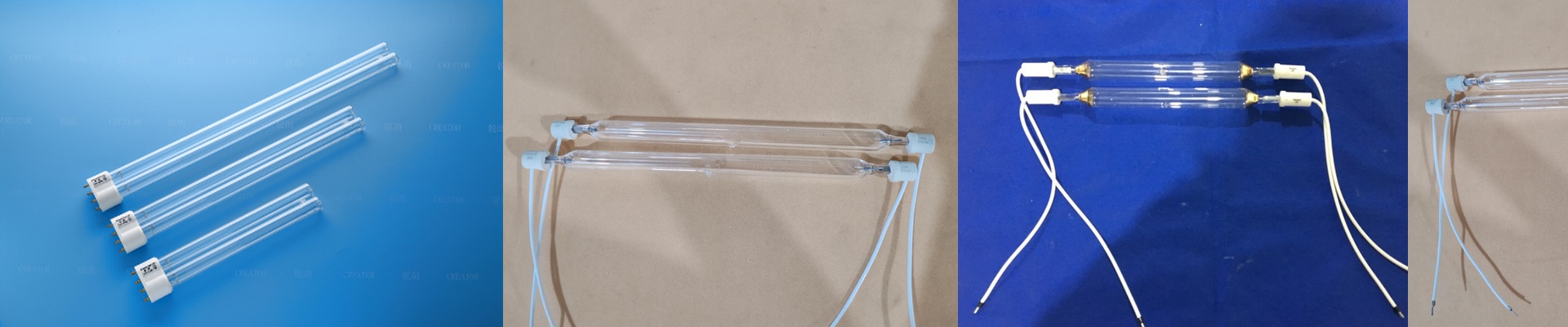
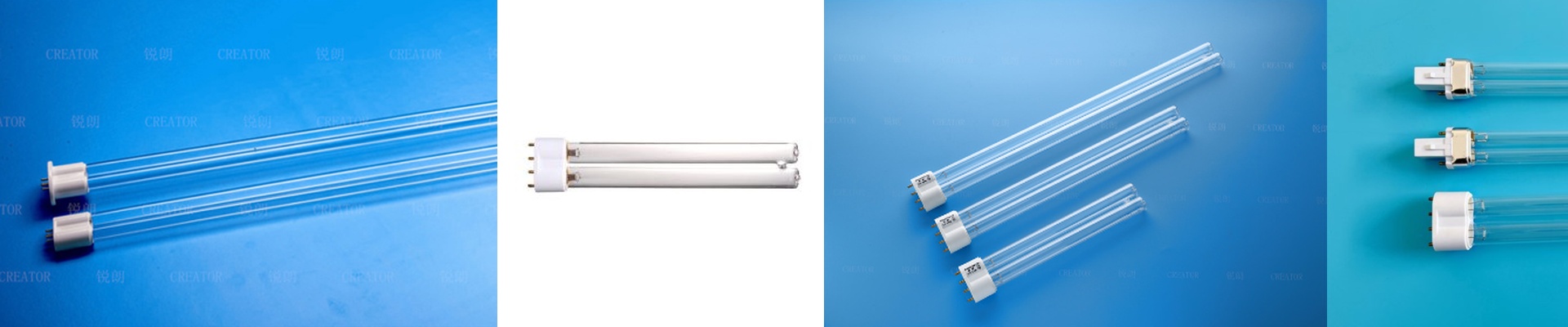
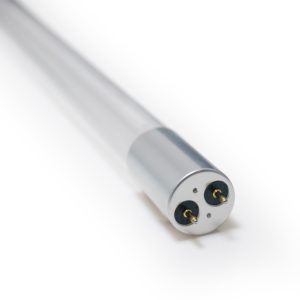
Look, UV germicidal lamps aren’t your typical light bulbs. They’re powerful tools that pump out shortwave UVC radiation—usually right around 254nm. When you’re setting these up in an automated line, you’re doing way more than just “curing” things. You’re building a sterilization machine. But be careful. If you mess up the safety protocols, your operators are looking at permanent eye damage or nasty skin burns. It’s not worth the risk. Keeping the radiation where it belongs Don’t even think about using a plastic cover. UVC eats through most polymers, leaving them yellow, brittle, and cracked. We stick with high-purity quartz glass for the lamp envelopes to let the light through, but the housing itself has to be aluminum or stainless steel. Why? Because those materials bounce the UVC back onto your target and keep it from leaking out. And if your machine is open? You need interlock switches. Period. They kill the power the very second a door swings open. The electrical side of things Here’s a common mistake: using mismatched ballasts. That’s a fast track to burning out your lamps. We build these systems to handle very specific strike voltages because a 254nm lamp needs a steady current. If it flickers, your electrodes fail early. Also, double-check your wiring. A loose connection at the base can cause arcing, and once that happens, your quartz seal is toast. Finding the sweet spot It’s tempting to just crank up the wattage to kill germs faster. But there’s a catch. More power means more heat, and your sensors will feel it. If you push the intensity to shave a few seconds off your cycle time, your cooling fans have to be able to keep up. If the lamp overheats, the spectral output shifts. You’ll still be drawing full power, but you’re losing the actual germ-killing efficiency. It’s a waste of electricity. The trick is balancing your dose—that mix of intensity and time—so you get the job done without cooking your own components.