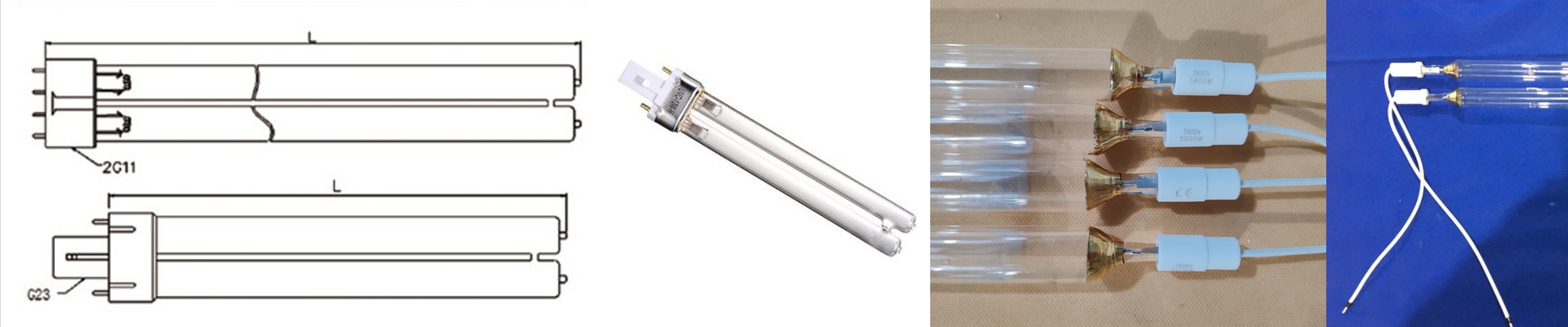
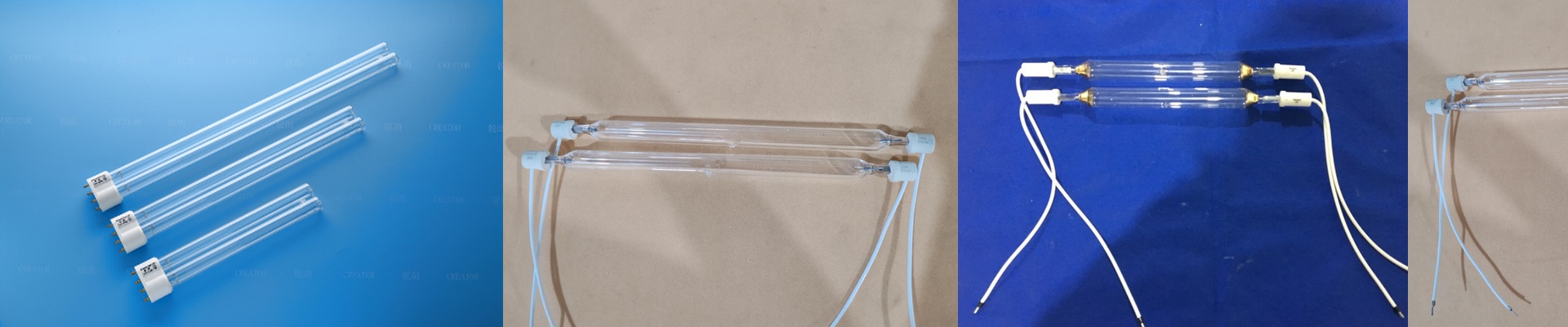
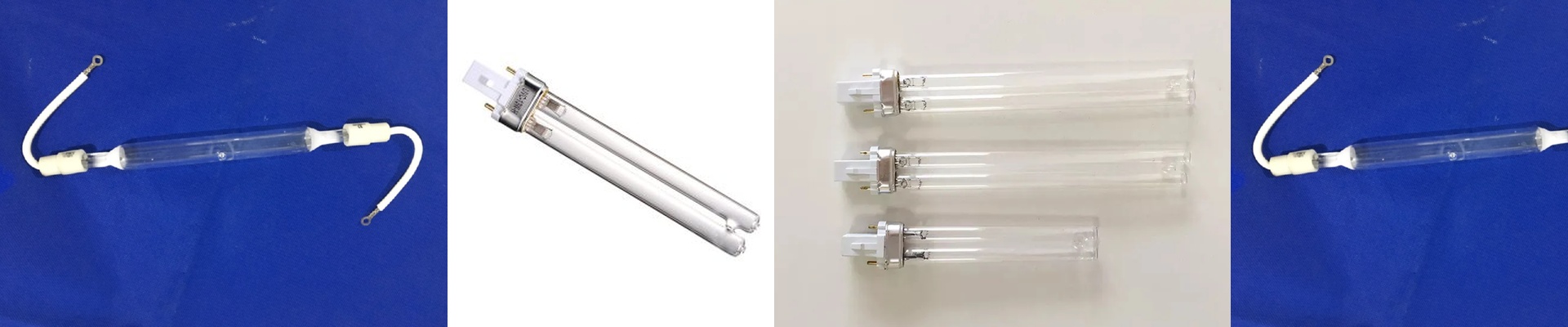
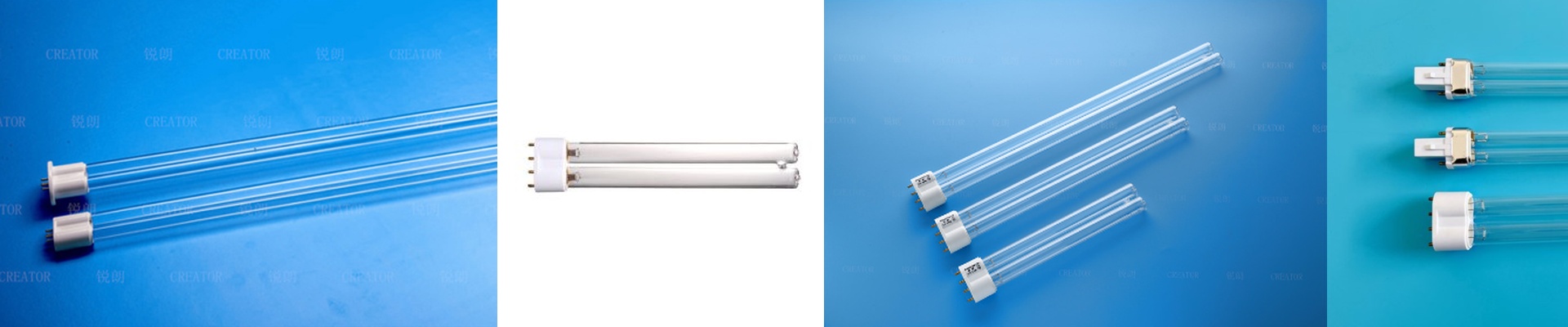
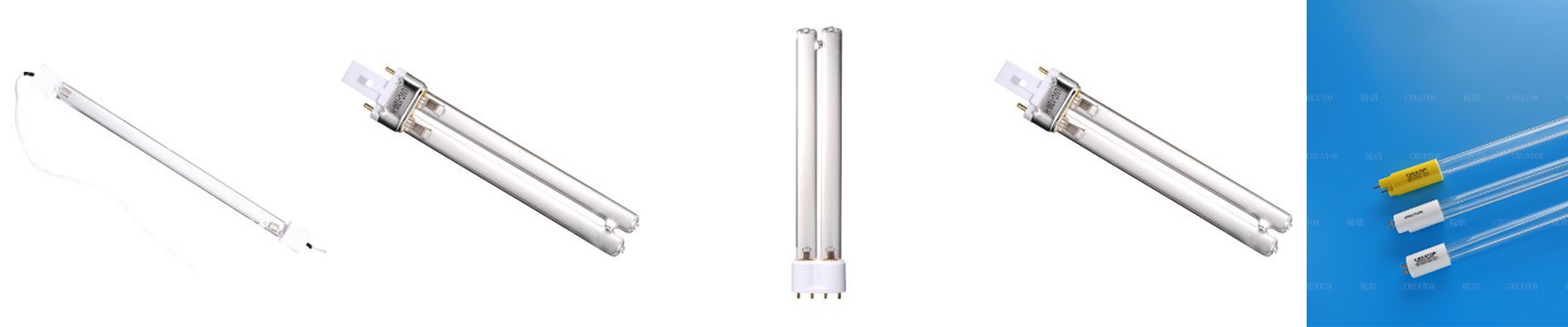
Let’s talk about why CE certification actually matters for your UV lamps
A lot of people treat CE certification like some annoying piece of paperwork—just another stamp to check off before the shipping container leaves the dock. But when you’re dealing with custom UV lamps, it’s more than just a legal hoop to jump through. It’s the difference between your gear sliding right into your production line or getting stuck in a customs warehouse for weeks while some official shakes their head.
It’s about not blowing things up
Here’s the thing: UV lamps are intense. They run on high voltage and get incredibly hot. When we say a lamp is CE marked, we aren’t just talking about the glass tube. We’re talking about the nitty-gritty stuff—the thickness of the insulation, how we handle leakage current, and how the lamp deals with electrical noise. If you use a lamp that isn’t EMC compliant, you’re playing a dangerous game. It could mess with your sensors or even crash your PLC. Not exactly a great way to start a Tuesday.
The hidden benefit of the “red tape”
To get that CE mark, we have to keep a massive technical file. Circuit diagrams, part lists, test reports—the whole nine yards. It sounds tedious, but it actually forces us to be obsessed with consistency. It means we’ve proven the lamp won’t catch fire under a peak load. Plus, it ensures that the thousandth lamp we ship for you is exactly as powerful and precise as the first one.
The trade-off
I’ll be honest with you: following these rules can make things take a bit longer. If you need a weird custom length or a specific wattage, we have to run more tests before we can ship it. It’s an extra step. But it beats the alternative. A non-certified lamp might look fine for a week, but the moment your cooling system fluctuates, it could fail catastrophically. In a high-end market, a product recall is a nightmare you don’t want. We do the hard work on the specs now so you can sleep at night without worrying about the liability.