15 Years of Figuring Out the Perfect UV Lamp
Most people think UV curing is just about the lamp. It’s not. It’s actually about whether that light stays steady over time. We’ve spent 15 years as an OEM partner, mostly working behind the scenes, obsessing over two things: the physics of the arc and the purity of the quartz.
The struggle with voltage
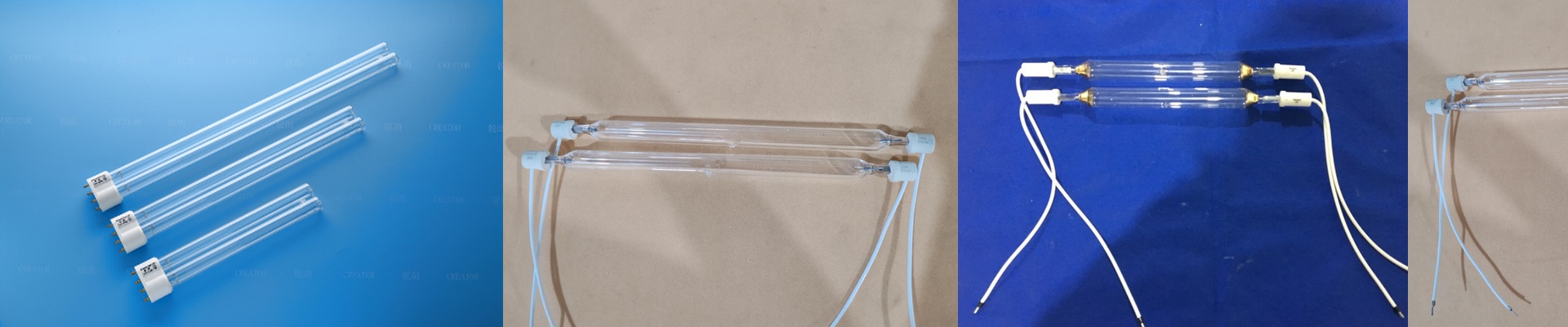
Ever notice how some industrial systems just… fail? Usually, it’s because the wattage isn’t spread evenly across the tube. We call this “end-loss.” It’s that annoying dip in light intensity right at the electrodes. If you’re running a high-wattage line, you know the feeling. A tiny drop in voltage and suddenly your surfaces are “tacky” or the cure is incomplete. It’s a nightmare. That’s why we tighten the tolerances on voltage and current. We make sure the light stays constant across the entire footprint of the lamp. No dead zones. No surprises.
Quartz and the heat problem
Cheap glass is a trap. It solarizes fast, turns brown, and basically blocks the UV output. We use high-purity synthetic quartz. It can take the shock of rapid start-stop cycles without cracking. We also spent a lot of time on the electrode composition to stop “sputtering”—which is the main thing that kills a lamp’s lifespan. But here’s a heads-up: more intensity means more heat. If you crank up the wattage to speed up your line, check your cooling blowers. If they aren’t up to the task, your substrate is going to warp.
Just drop it in and go
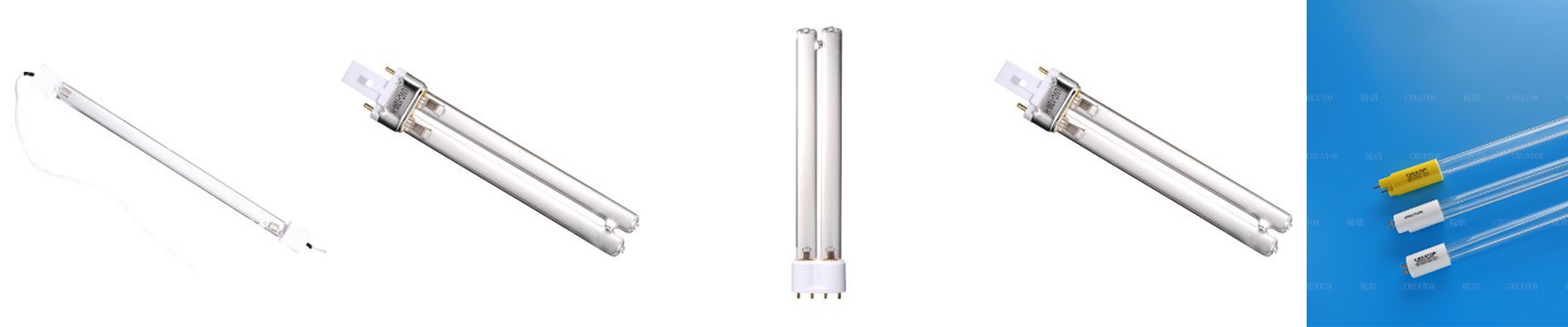
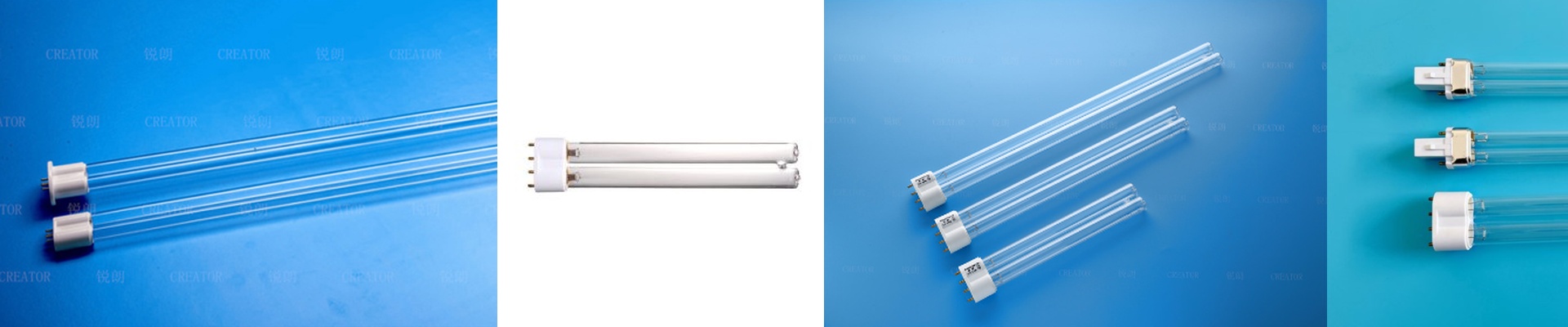
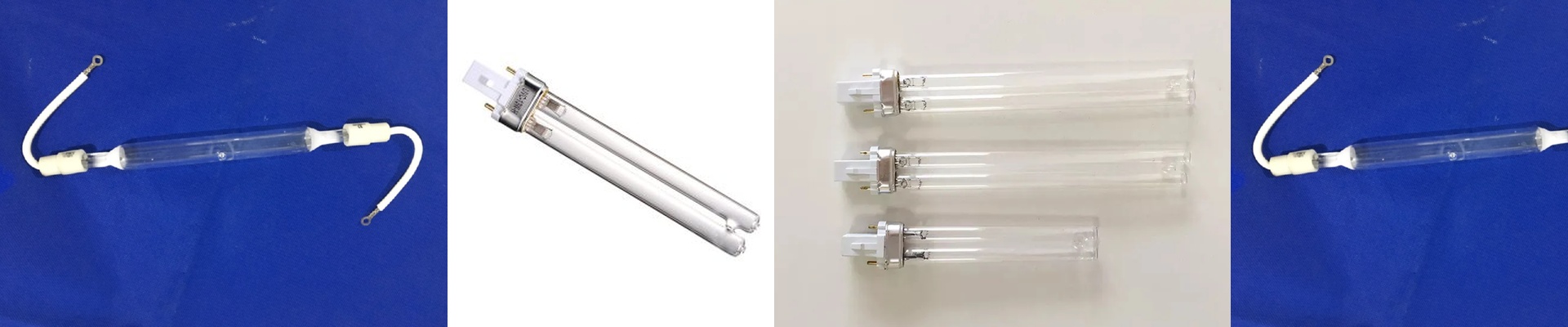
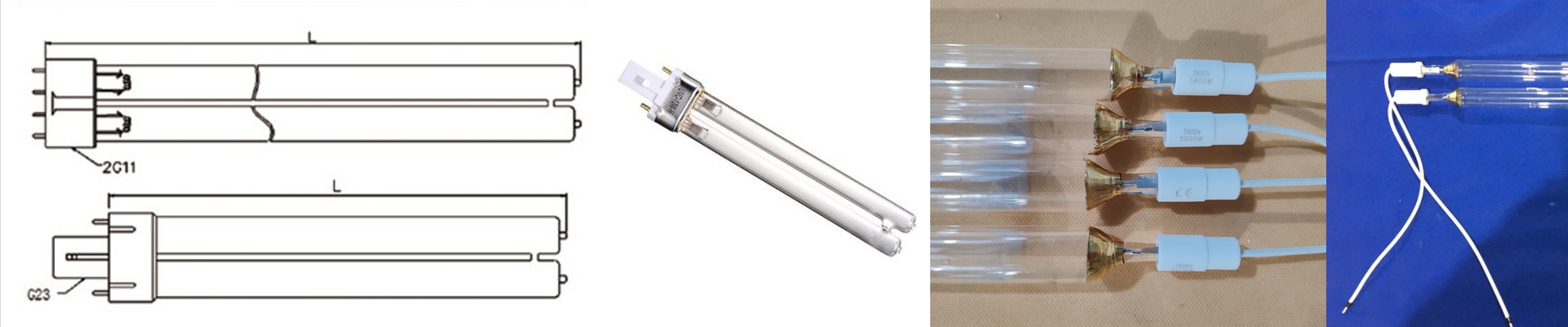
We design our lamps to be exact replacements for the big international brands. Down to the millimeter. You shouldn’t have to mess with your reflectors or rewire your ballasts just to get a new lamp to work. We focus on the gritty details—making sure the pins align perfectly and the lamp seats firmly in the socket. Because if it doesn’t sit right, you get electrical arcing. And nobody wants that.