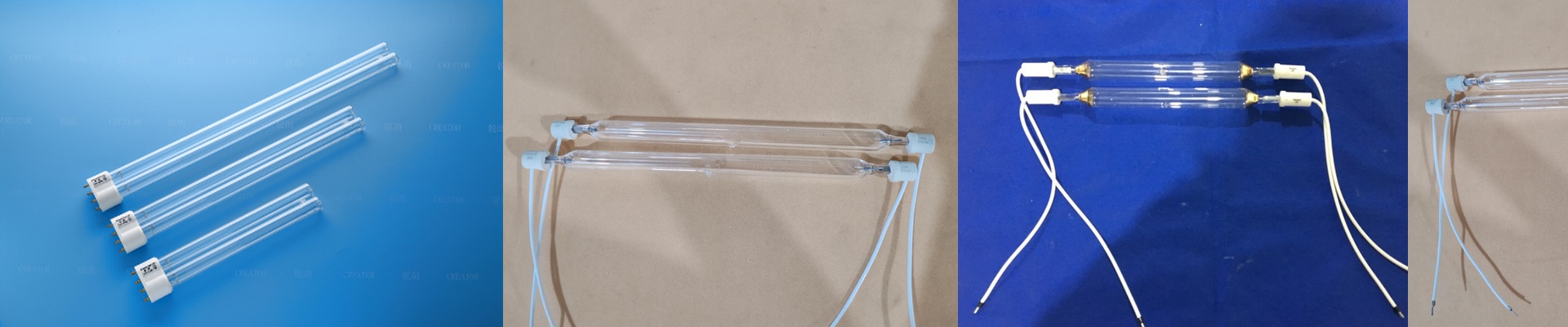
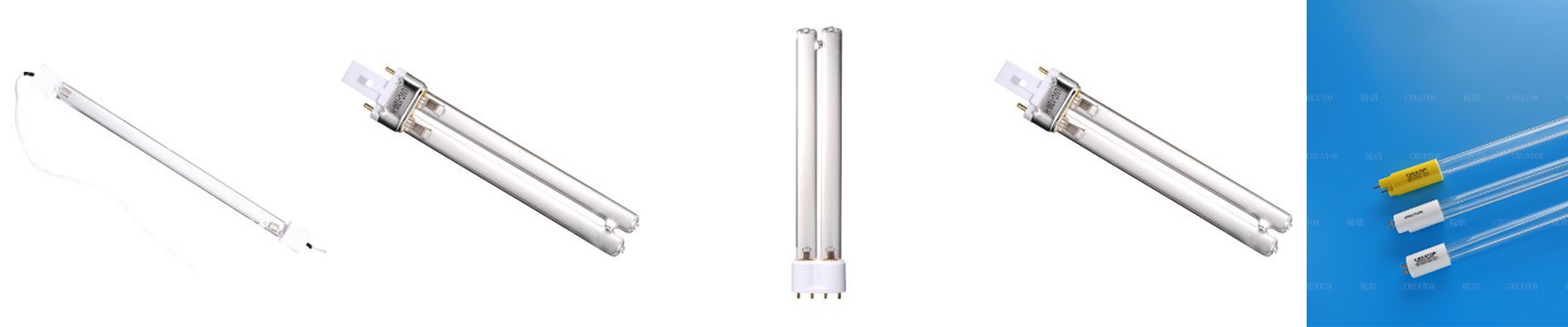
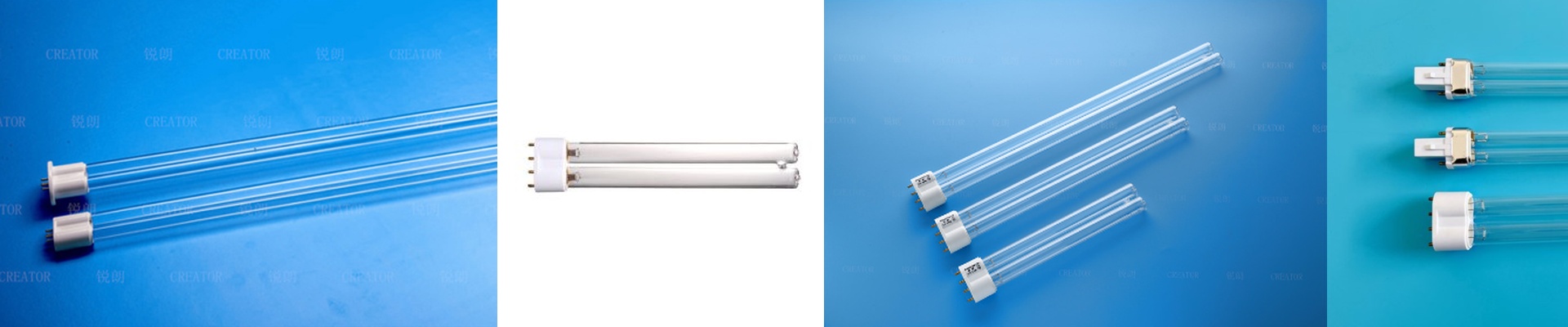
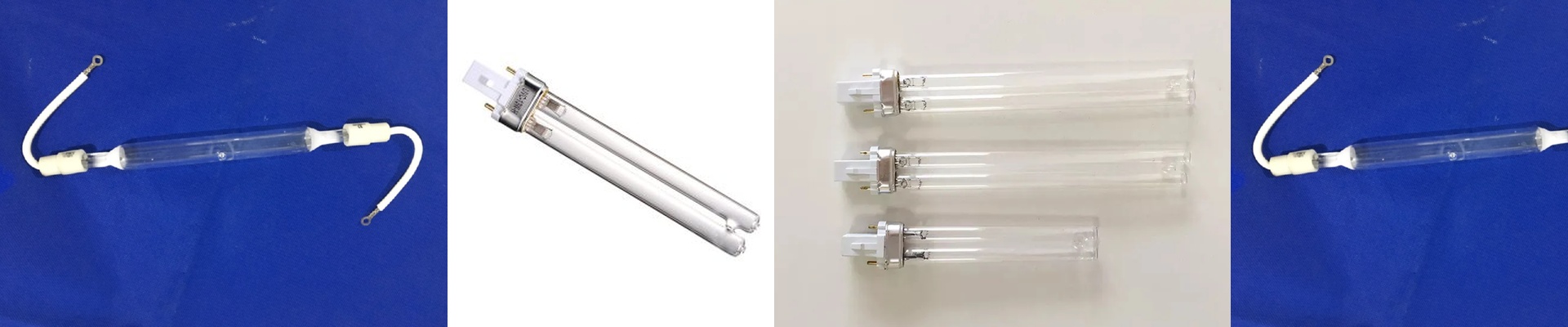
Getting the Wavelength Right: A Look at Gallium Iodide UV Lamps
Sometimes, a standard mercury vapor tube just doesn’t cut it. You need a very specific wavelength, and “close enough” isn’t good enough when your project is on the line. That’s where our custom gallium iodide (GaI) lamps come in. Most UV lamps throw out a wide, messy spectrum. But with GaI, we can actually dial in the exact peaks you need—usually in the UV-A and UV-B ranges. We do this by tweaking the halide mix and the gas pressure inside the quartz.
The trick to controlling the light
Tuning a lamp to a specific nanometer isn’t as simple as putting a colored filter over a bulb. It’s more like a recipe. We adjust the ratio of gallium to iodine to shift where that light peaks. If we pump in more pressure, the spectrum widens. Lower pressure? The peak gets sharp and precise. This is the difference between a generic UV light and a serious tool for things like chemical analysis or photo-polymerization.**One tiny slip in gas purity and your peak shifts.**If that happens, your cure rate tanks and you’re back to square one.
Dealing with the heat
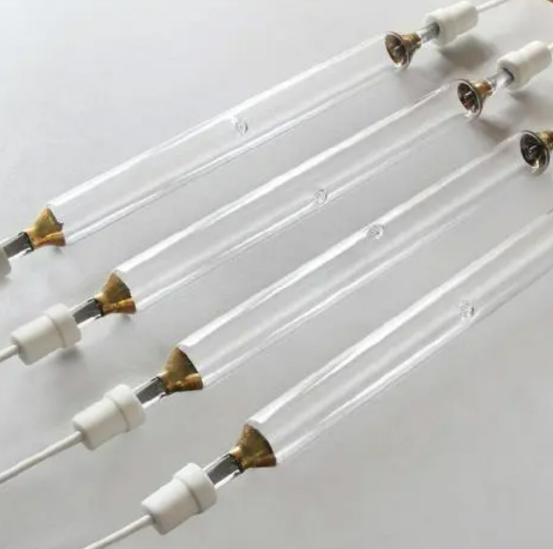
We use high-purity fused quartz because it lets the UV light through without blocking it. But there’s a catch. To keep the plasma stable, these lamps have to run hot. Really hot. That heat puts a ton of stress on the seals. To stop the gas from leaking out over thousands of hours, we use a specialized pinch-seal technique. It’s a bit more work, but it’s the only way to make them last. Just a heads-up: you’ve got to manage your thermals. If your housing doesn’t have a solid heat sink or some active airflow, the quartz can stress-crack. Or worse, your electrodes will just burn out.
Making it fit your setup
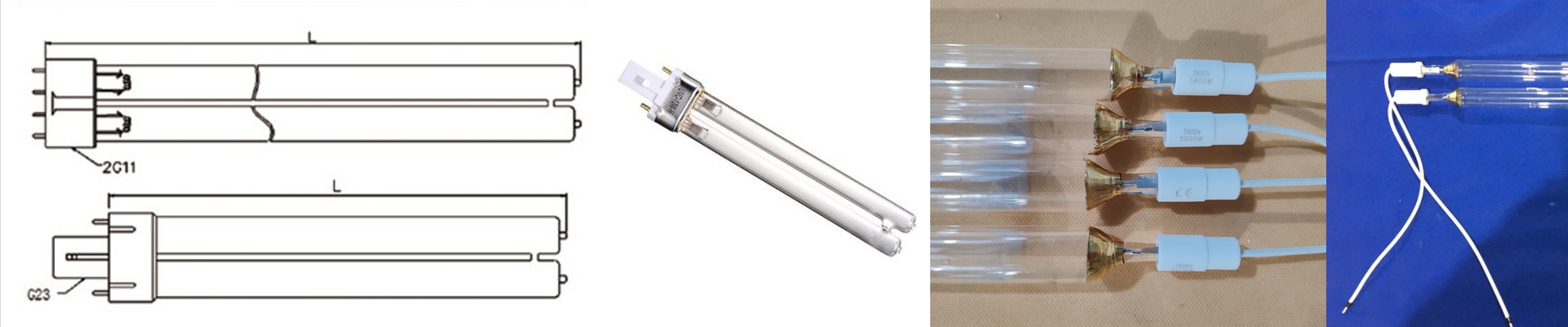
We know you probably already have a rig built. That’s why we make these in custom lengths and electrode layouts. Whether you’re swapping out an old lamp in a legacy system or building a brand-new clean-room array, we’ll make sure the electrical footprint matches your ballast. We also obsess over the arc ignition. No flickering. No dipping. Just a steady, consistent dose of UV across your substrate every single time.