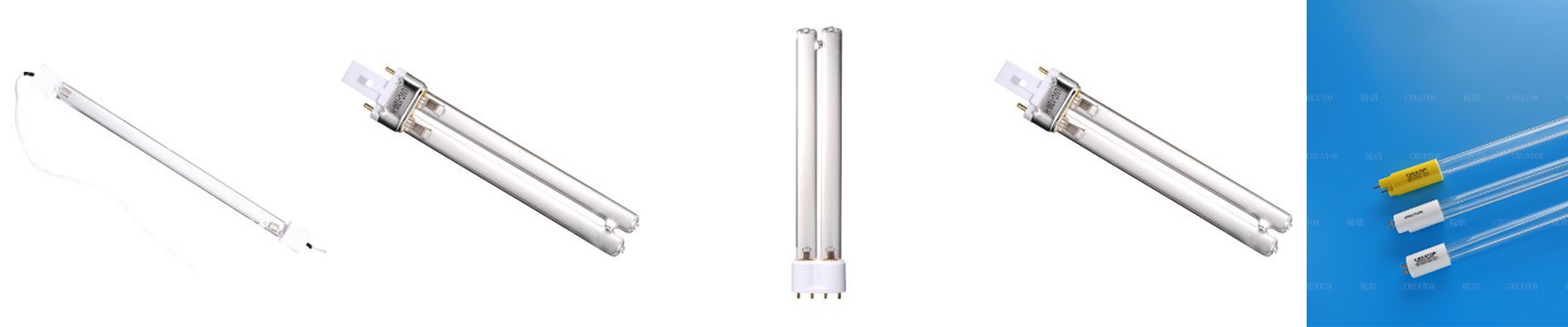
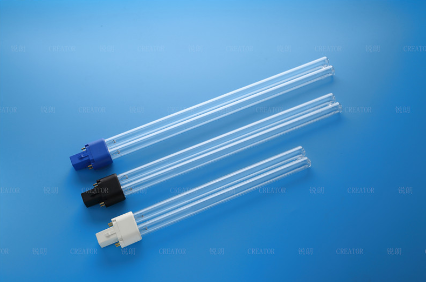
What’s actually going on inside your UV lamps?
Most UV curing lamps are basically black boxes. You flip the switch, hear the hum, and just… hope the resin is curing properly. It’s a lot of guesswork. We wanted to fix that. So, we built remote energy monitoring right into the power circuitry. Now, instead of crossing your fingers, you can see the actual wattage and power swings in real-time on your dashboard or PLC.
How we actually do it
It’s not as simple as just slapping a meter on the side. We use current transformers and voltage dividers to send data back to a gateway. Here’s why that matters: you can see the exact moment a bulb starts to fade. When the wattage starts drifting away from where it should be, you know that lamp is dying. You can swap it out on your own termsbeforethe whole line grinds to a halt.
The trade-offs (because nothing is free)
Now, adding this hardware does take up a bit more room in the power supply. The wiring gets a little more crowded, too. But the real challenge is the heat. High-intensity UV lamps get incredibly hot. If your cooling fans aren’t up to the task, the monitoring electronics can cook themselves. You have to get the thermal management right, or you’re just trading one problem for another.
Why this changes your day-to-day
This takes the “maybe” out of curing. You aren’t relying on a timer or a manual check anymore; you have hard data. It turns your maintenance from a guessing game into a plan. Instead of replacing lamps every few months just because the calendar says so, you replace them when they actually wear out. It’s simpler. It’s less wasteful. And most importantly, you stop finding uncured parts at the end of the packing line.