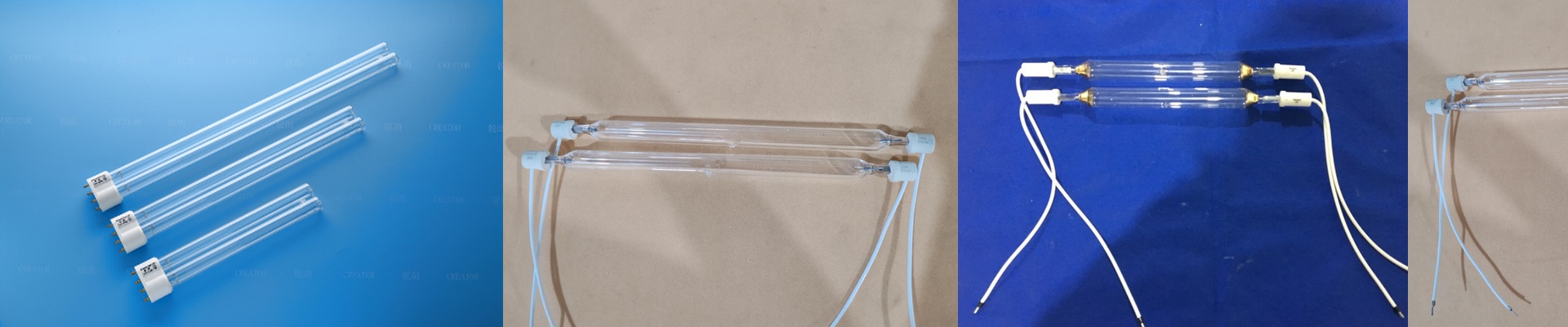
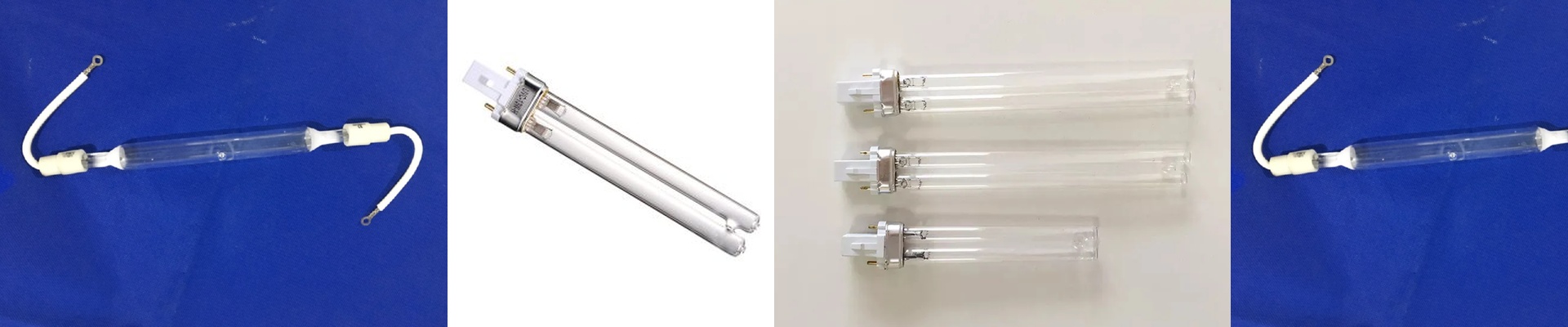
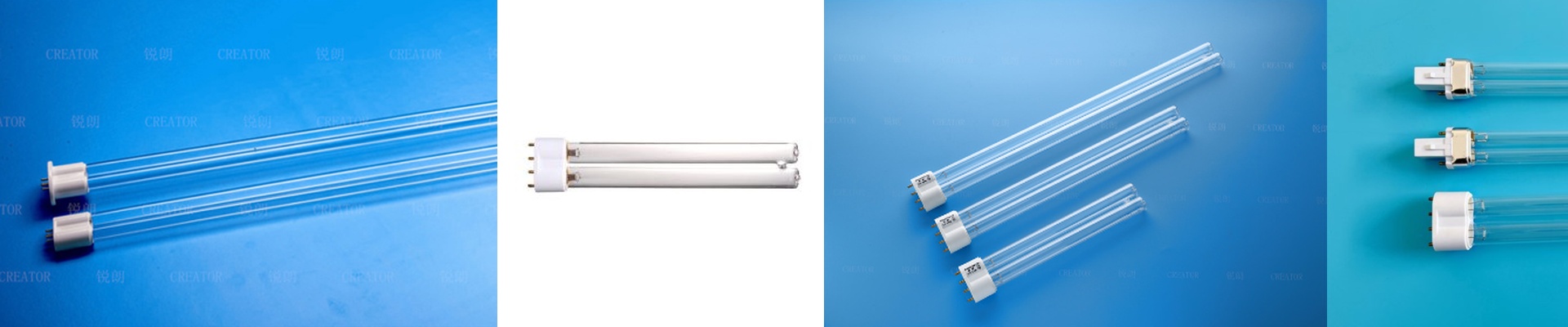
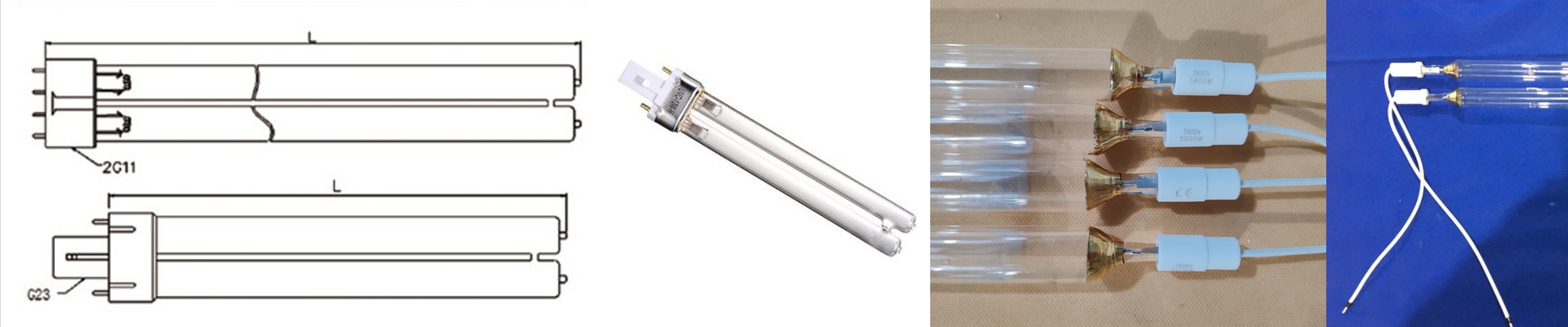
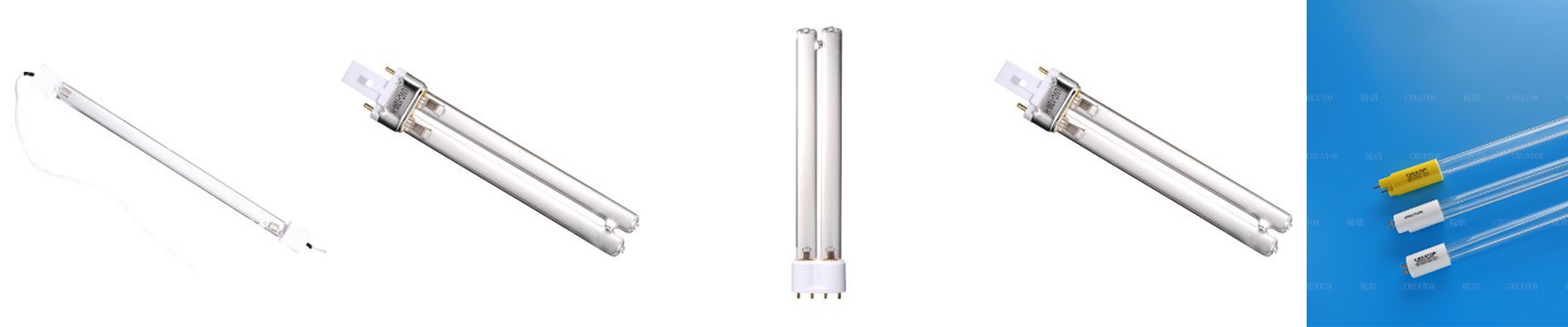
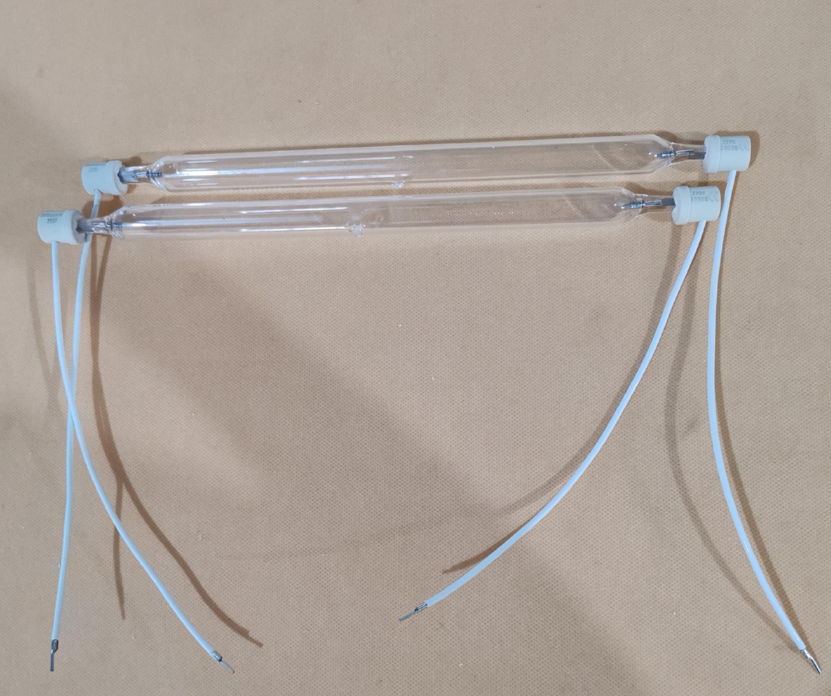
On the wide-format floor, mismatched UV power shows up fast. You get surface tack that won’t quit, adhesion that fails, and throughput that grinds to a halt. The fix isn’t just “more power.” It’s matching spectral output and irradiance to the ink’s photoinitiator window and the print head geometry. What matters technically: power, spectrum, and delivered energy UV curing is all about energy density. You have to hit a minimum dose (mJ/cm²) across the substrate to drive cross-linking. With mercury vapor lamps, the dominant lines are 365 nm, 385 nm, and 405 nm—and the photoinitiator chemistry in your ink decides which band does the heavy lifting. Peak irradiance (mW/cm²) sets how quickly that dose is delivered, and that depends on lamp power, arc length, reflector efficiency, and the dichroic coating you choose. A 1200 W/cm lamp can still under-cure if the reflector geometry doesn’t lay down uniform intensity across the full print width. Measure with a spectral radiometer. Confirm dose at the substrate, not at the lamp window. Why it works: match the lamp to the printer and the ink Wide-format UV systems have to cover wide substrates without hot spots or cold edges. Our ozone-free mercury lamps are built with tight arc-length tolerances and high-reflectance elliptical reflectors to keep dose uniform across the entire cure zone. Match lamp power to your printer model—factoring media speed, ink laydown, and the cure window—and you stabilize cure, cut scumming, and slash rework. You get consistent adhesion on rigid and flexible media, plus stable output over thousands of hours, which trims lamp inventory and keeps downtime off the schedule. What you need to watch: install, compatibility, and operating limits The lamp has to fit the system—voltage, connector type, and physical envelope must line up with the existing lamphouse. High peak irradiance means you need active cooling; keep airflow where it’s spec’d and keep quartz surfaces clean so output stays where it should be. Mercury lamp output drops with every start, so don’t cycle the arc unnecessarily. Reflector aging and quartz solarization will reduce delivered dose over time—schedule periodic radiometry checks. If your ink set changes, re-verify the spectral match and adjust lamp selection or cure speed accordingly.