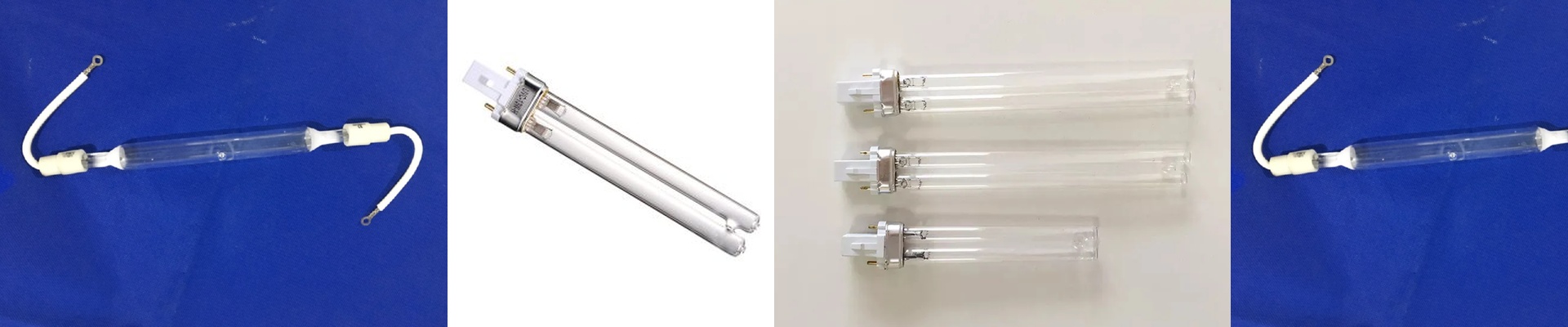
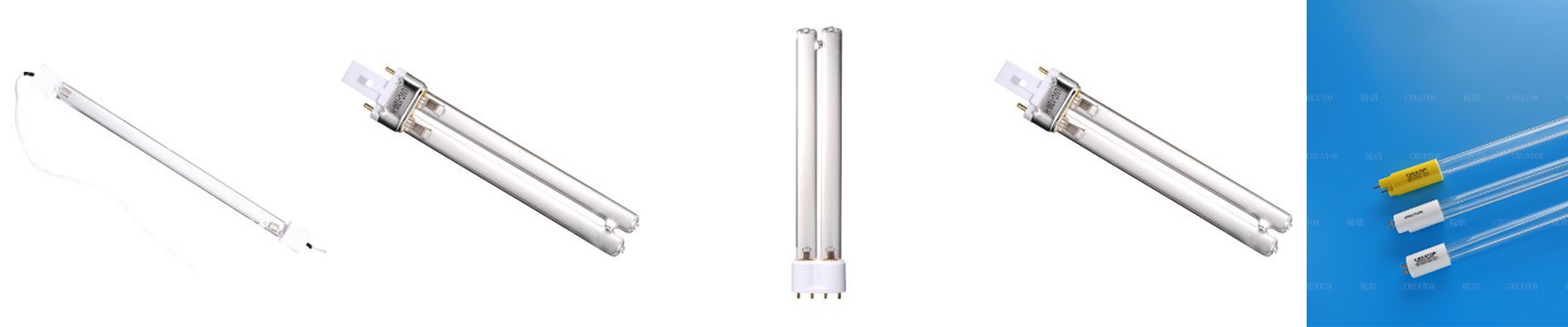
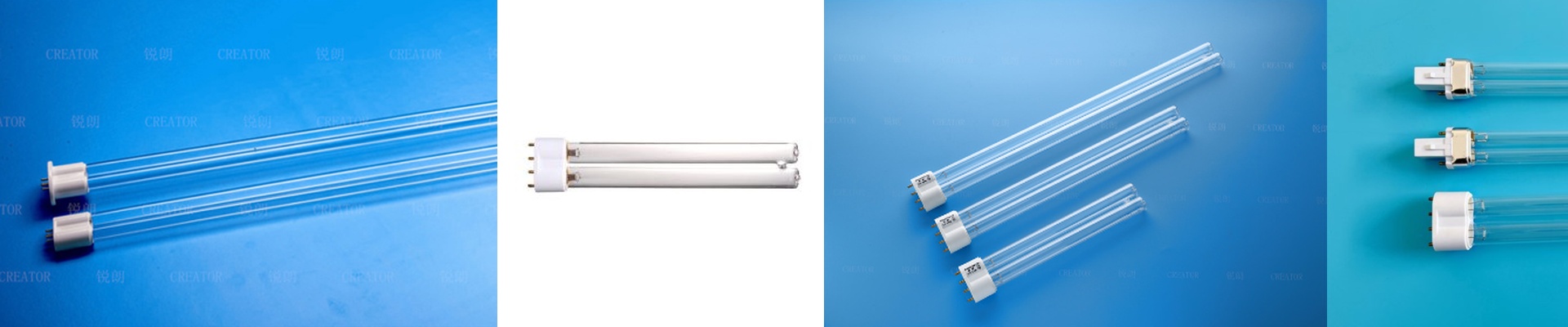
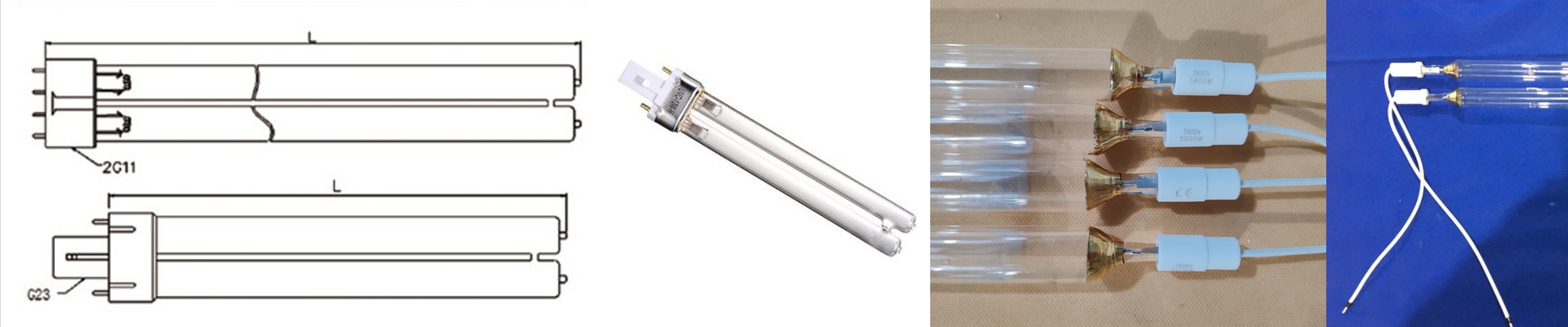
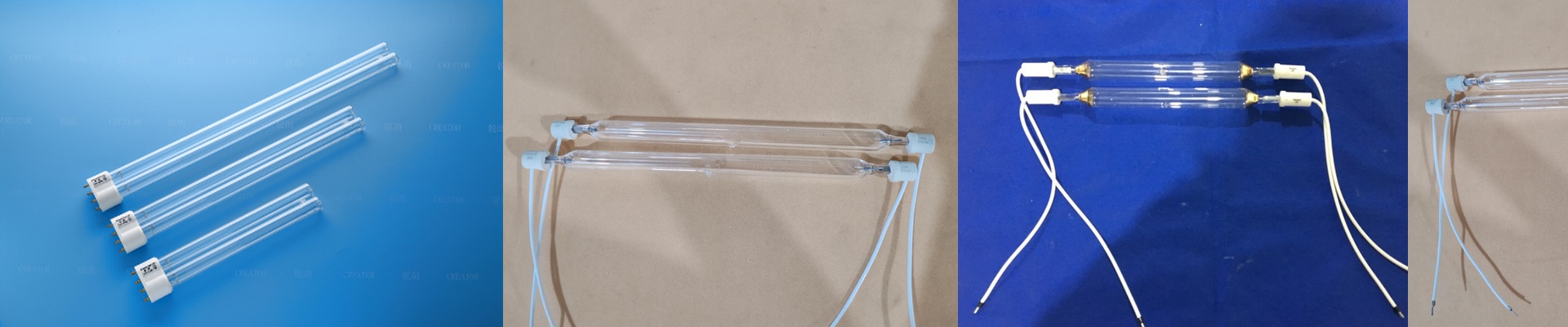
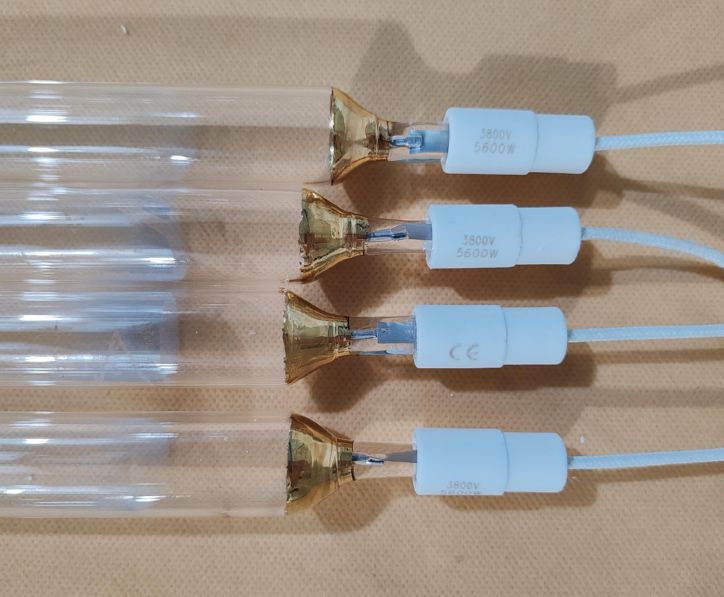
Walk the line and you’ll spot it right away: UV lamps on speaker assembly, ends blackened. The symptom is obvious. The root cause? Not so much. Is it the constant on/off jockeying? Or a mismatch between lamp and ballast? Which one you’re dealing with decides whether you get steady adhesive cross-linking—or a lamp that burns out early. What actually matters under the hood UV curing for speaker bonding lives and dies on stable spectral output and repeatable energy density. The adhesives on plastics, metals, and composites are built for a medium-pressure mercury vapor lamp: broad emission centered at 365 nm and stretching across 385–405 nm to hit the photoinitiators in epoxy-acrylate and urethane-acrylate systems. It’s not just peak irradiance across the arc length. It’s the integrated dose that actually reaches the bond line after reflection losses. A dichroic-coated reflector and an ozone-free quartz envelope help keep output steady for thousands of hours. Why this setup sticks on speaker lines These lines run short cycles, with frequent stops and starts. If the lamp and ballast aren’t truly matched, ignition voltage and warm-up behavior force the lamp to take repeated stress. That accelerates end-blackening and cuts life short. We size lamps to the fixture geometry—right arc length, right wattage density—so the ballast can run in a stable zone. The payoff: repeatable curing energy, fewer adhesive failures, and lamps that hit rated life instead of chasing intermittent blackening. The shop-floor details that bite Installation is not plug-and-play across every machine. Ballast parameters have to line up with the lamp’s ignition requirements, and reflector alignment needs to be checked with a spectral radiometer to confirm dose uniformity across the substrate. Expect a trade-off. Higher peak irradiance speeds cure, but it also cranks up thermal load. So heat management and substrate distance have to be tuned together. Before you commit to a full line changeover, confirm compatibility with your press or bonding station.