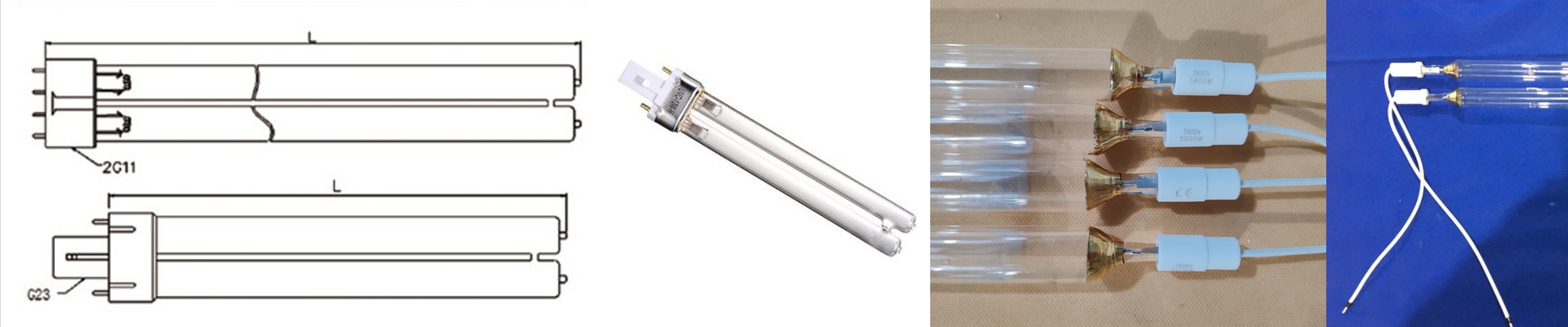
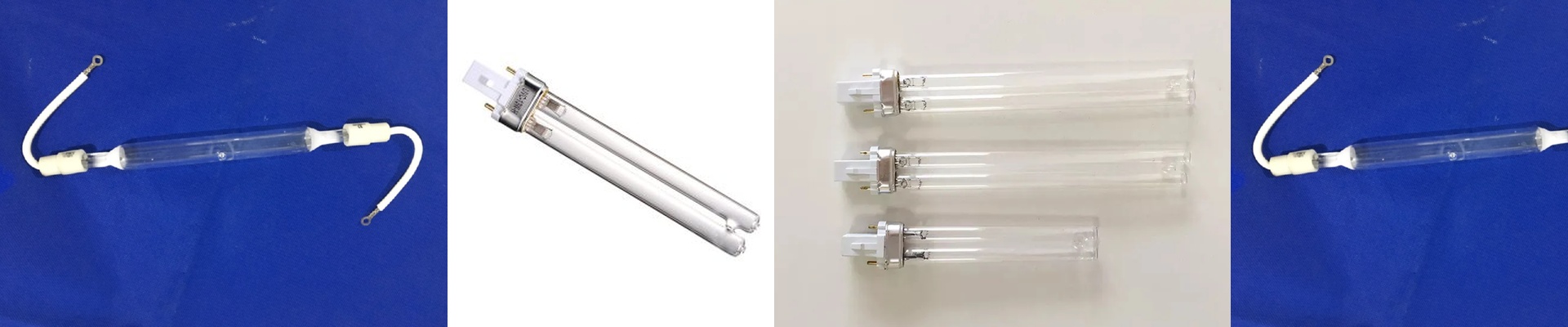
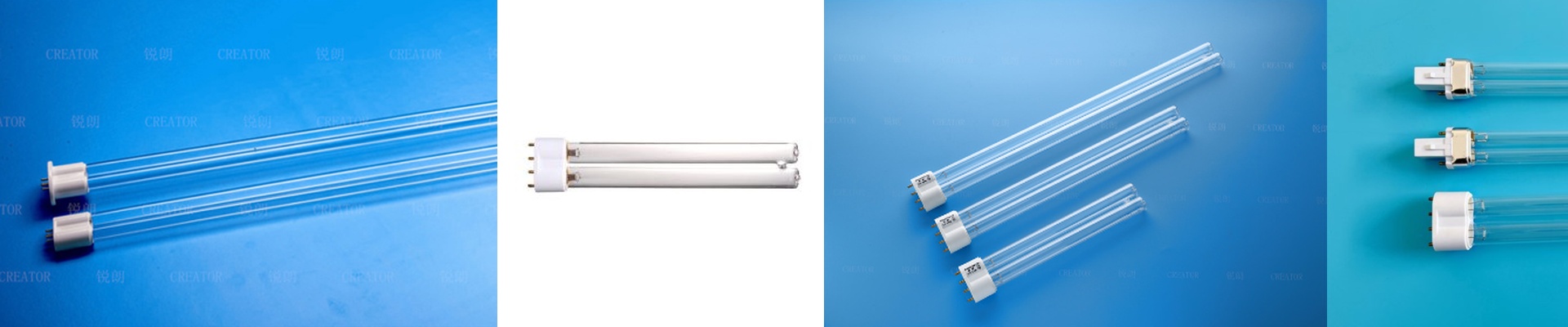
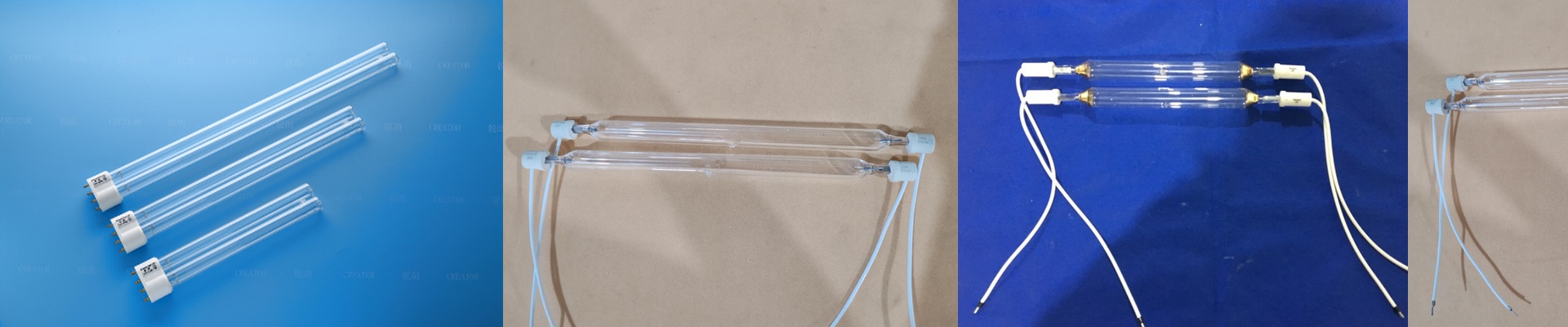
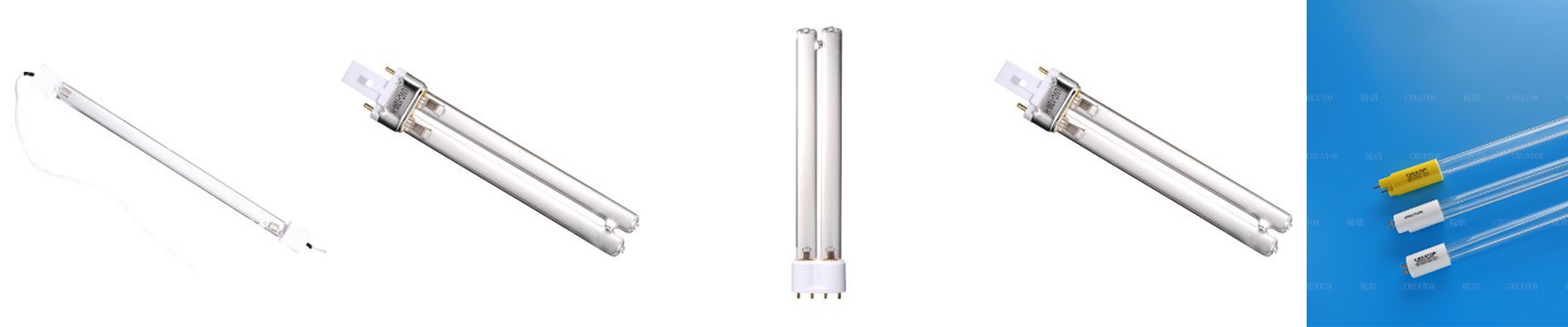
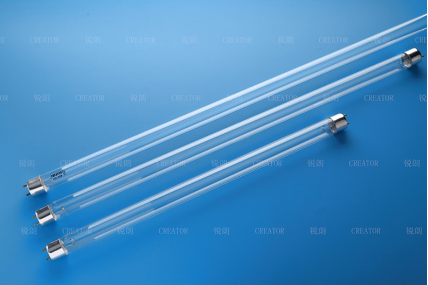
On the press floor, a job only makes money when the ink cures fast enough to keep the line moving—and consistently enough to clear inspection. If the lamps are underpowered, you stretch dwell time, dump extra heat into the substrate, and end up with uneven surface cure. We built our mercury lamp systems for UV ink drying to give repeatable output, so curing stops being the holdup. What matters, technically We start with a high-pressure mercury vapor discharge, because the spectrum covers the absorption bands of the photoinitiators you’re running. The core emission lines at 365 nm, 385 nm, and 405 nm deliver the photon density needed for fast cross-linking. We suppress the 254 nm component with a dichroic reflector—less surface ozone, and less risk of damaging sensitive substrates. Peak irradiance is tuned to clear typical photoinitiator initiation thresholds, so you hit the required energy density in mJ/cm² across the full web width. A high-reflectivity elliptical reflector concentrates the output where it needs to be, improving lamp-to-substrate coupling and cutting wasted UV. And we don’t guess at output—we measure it with a spectral radiometer. Why it works in the real world In UV offset, flexo, and screen, cure speed and cure depth are the levers that set your throughput and quality. Stable spectral output and controlled peak irradiance let you shorten the UV dwell window, keep heat off thin films, and get a more uniform surface cure—without spending the shift chasing cure failures. The payoff is fewer rejects, more consistent ink adhesion, and makereadies you can count on. The practical details you can’t skip High-pressure mercury lamps need tight electrical matching to the ignitor and ballast, and output falls as the lamp ages. Plan on reflector maintenance and scheduled lamp replacement to keep irradiance within spec. Also, confirm compatibility with your press model and lamp-holder interface—mismatched terminations and reflector geometry will wipe out any performance gains fast.