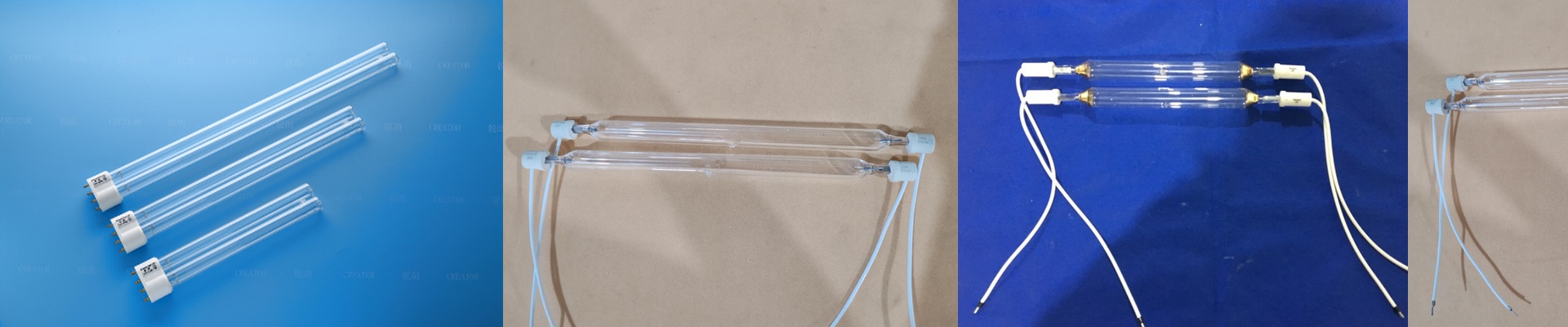
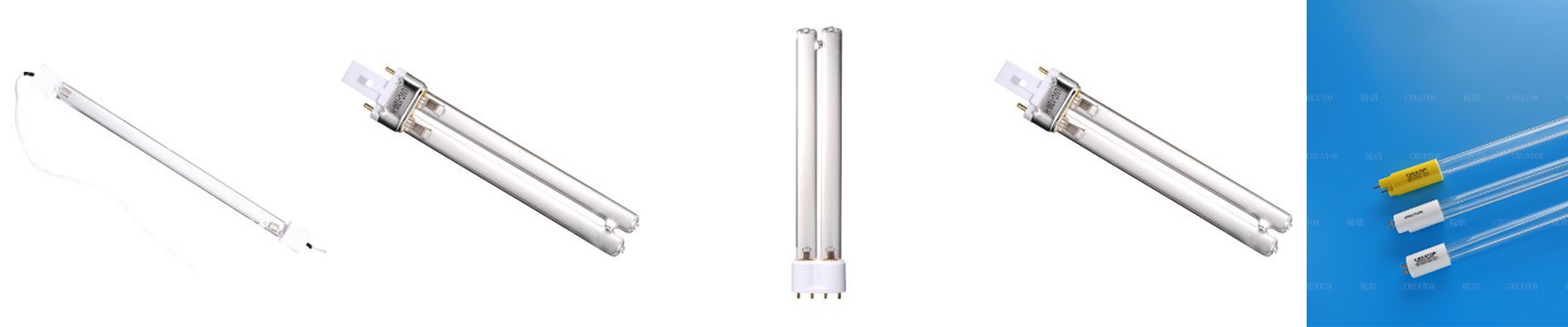
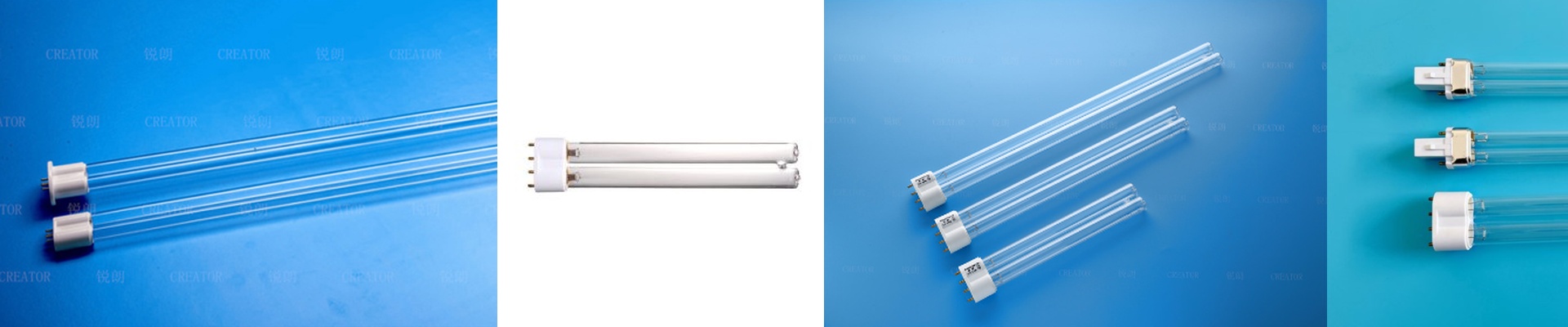
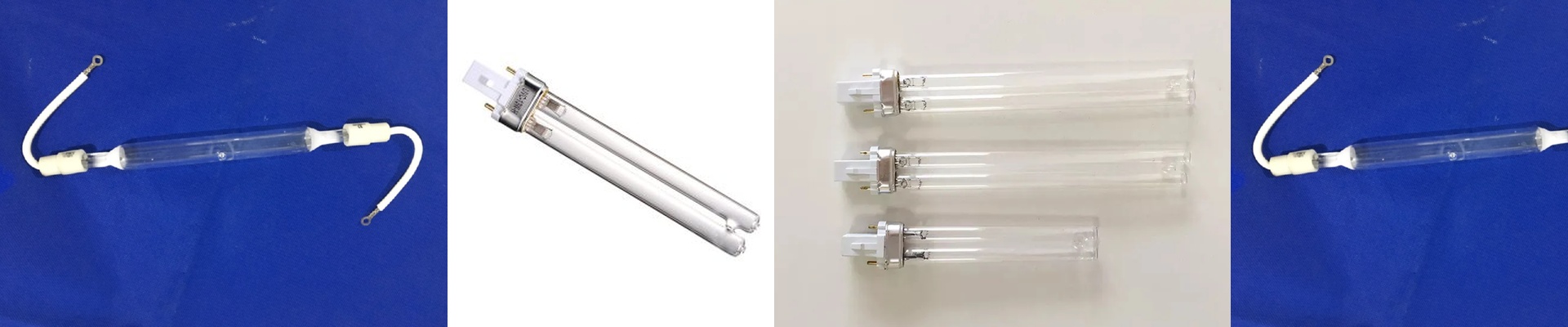
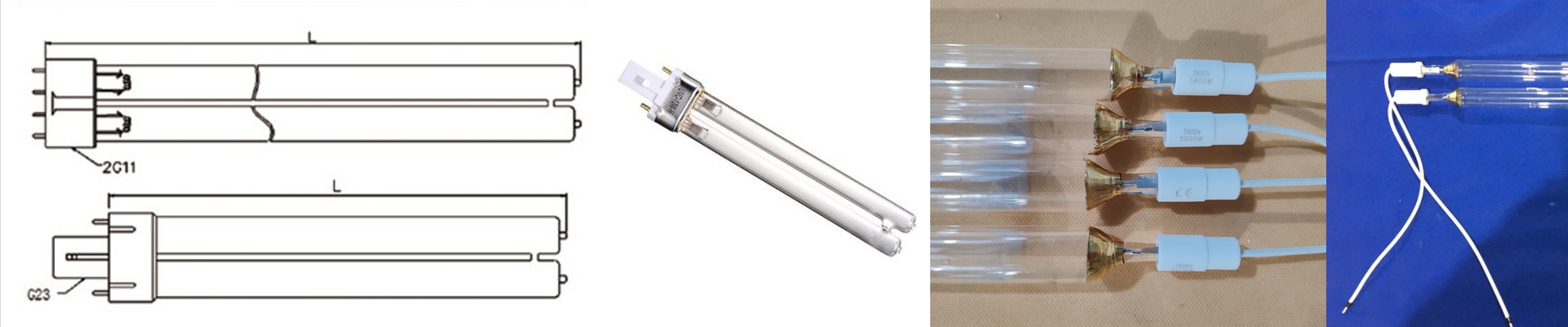
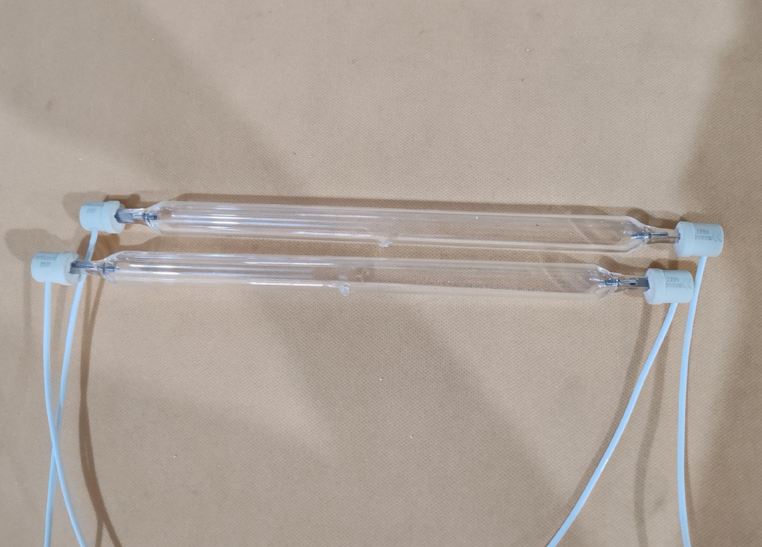
On the art-tile line, we run a high-solids UV ink and hit it with the lamp to lock in that glaze-like gloss and hardness. When the lamp shows blue, that’s not just a cosmetic glow—it’s spectral output. In a medium-pressure mercury vapor lamp, the visible blue comes from mercury lines around 435–450 nm, while the real work happens in the UV: 365 nm for deep cross-linking, plus 313 nm and 254 nm that drive surface-cure and photoinitiator decomposition. The balance of those lines—not total wattage—is what decides whether you get a glassy topcoat or a tacky surface. What actually matters is spectral power distribution and irradiance at the substrate. For art-tile UV inks, we lean on 365 nm as the primary driver for through-cure and adhesion, then tune the reflector’s dichroic coatings to suppress excess long-wave IR that can warp ceramic-coated substrates. Expect 800–1200 mW/cm² peak irradiance at the web, measured with a calibrated radiometer right at the print surface. That energy density—often 500–800 mJ/cm²—gives you a fully polymerized, solvent-free film, and that’s what delivers the high-gloss, mar-resistant finish that reads like a true glaze. Here’s why it works on this job: the lamp’s 365 nm peak lines up with the photoinitiators in pigmented, high-build coatings, so you get rapid cross-linking without overheating the tile. In practice, that means immediate stackability, lower energy per sheet, and gloss that stays stable run after run. With the right arc-length sizing and reflector upkeep, we typically see lamp life of 1000–1500 hours at 100% output before the 365 nm intensity drops below the ink’s threshold. A couple things you can’t skip: ozone-free quartz envelopes and correct lamp-to-substrate distance. Get too close, surface temperature spikes and you’ll see micro-crazing on glazed tiles. Stand too far off, and you lose peak irradiance—leaving uncured photoinitiator that dulls gloss. Match the lamp’s spectral output to the ink’s photoinitiator window, and verify with spectral radiometry, not just lamp amps.