Let’s Talk About Mercury UV Bulbs
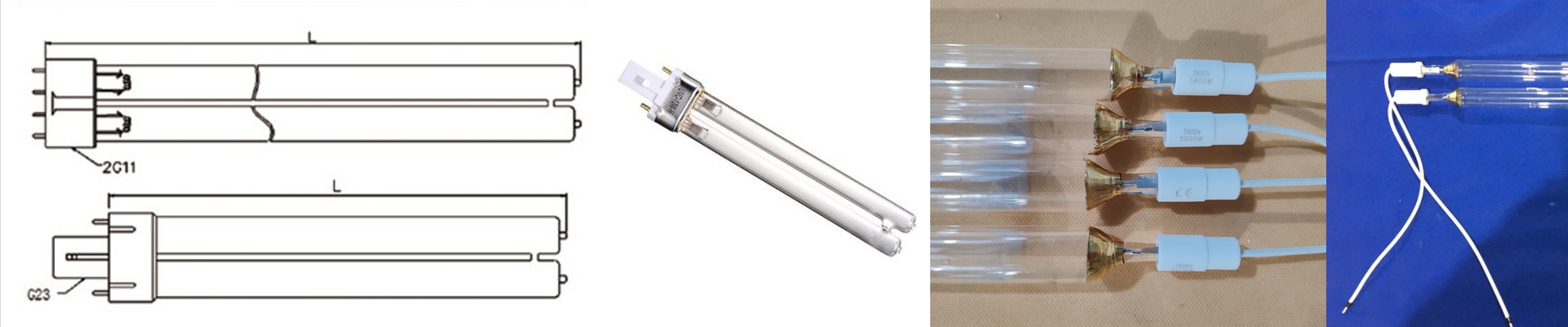
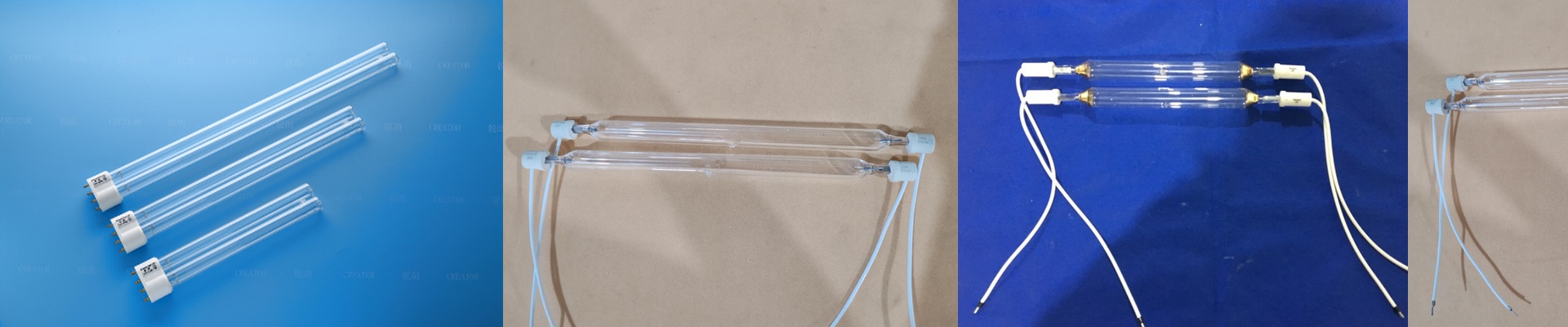
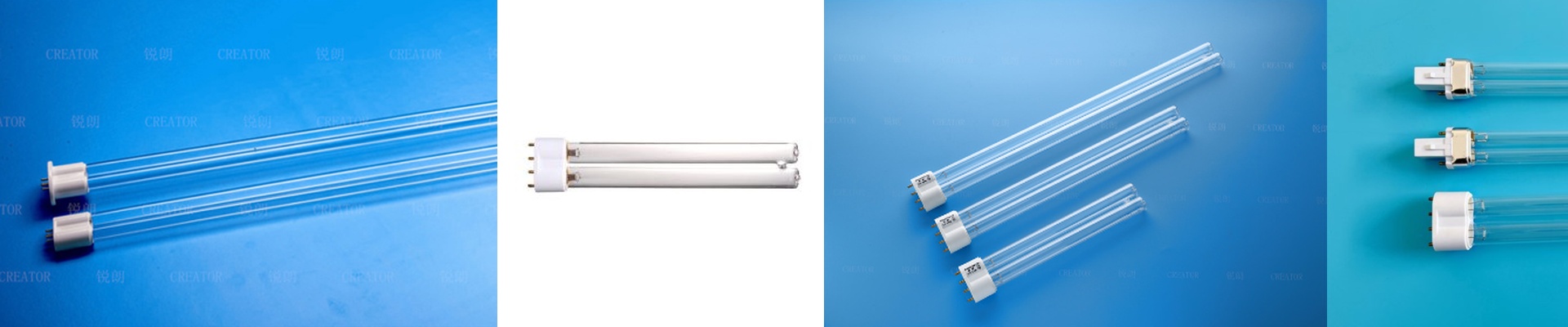
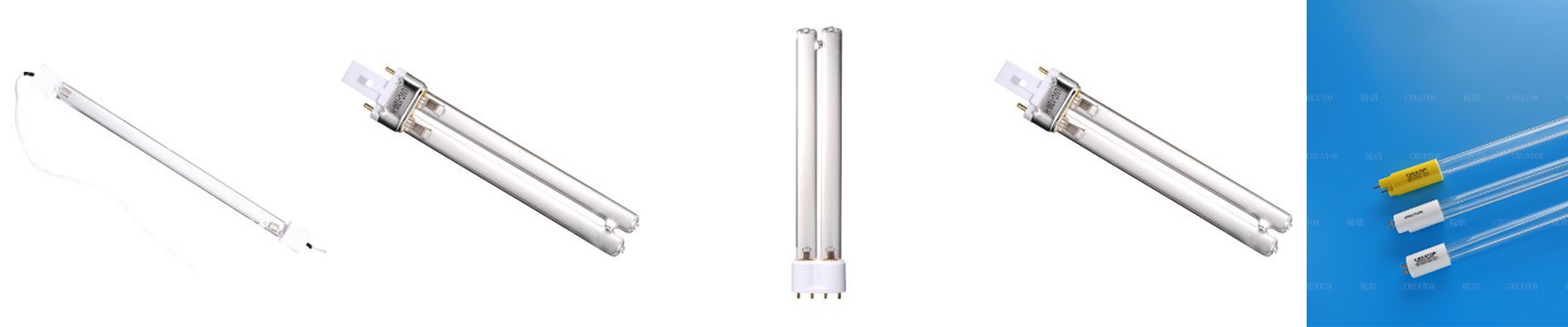
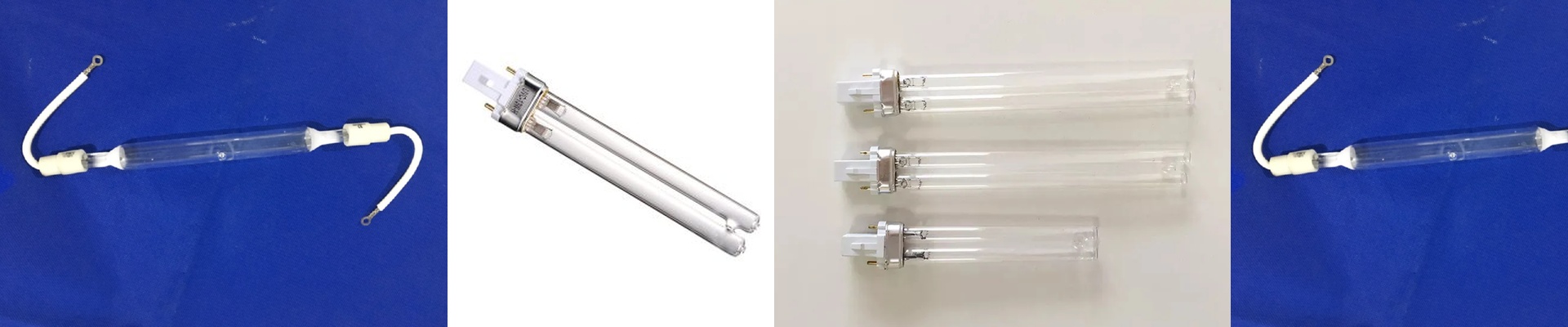
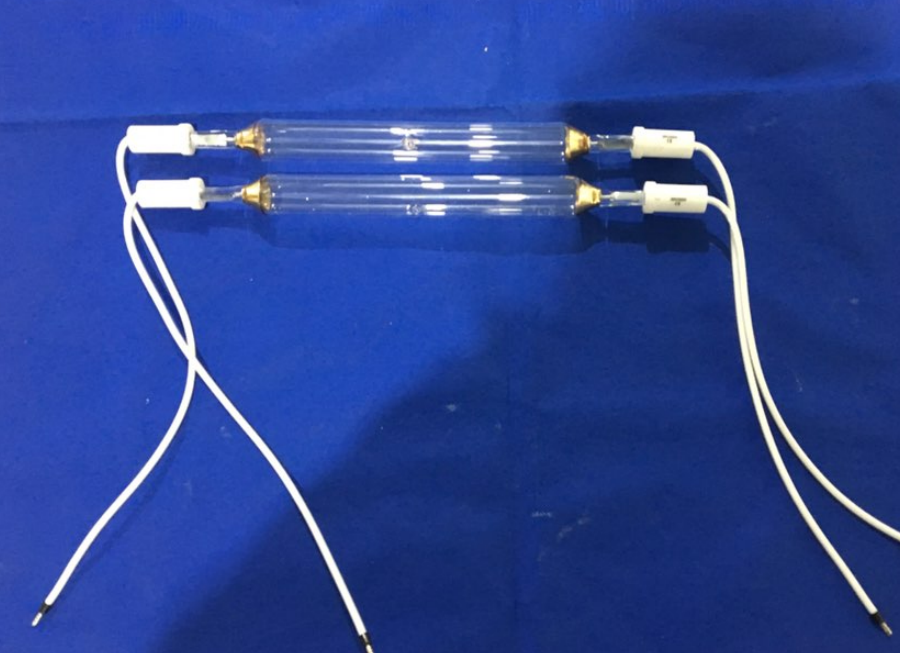
Everyone is talking about LEDs these days. And sure, they have their place. But if you’re running a high-speed production line, mercury-vapor lamps are still the real heavy lifters. Think of them less like “light bulbs” and more like precision power tools. They bring a level of raw strength and spectral range that you just can’t ignore when speed is the goal. The secret is in the science. Inside these bulbs, you’ve got a mercury-argon discharge. When we’re picking the right ones for a big industrial setup, we’re looking closely at those UVC and UVB peaks. That’s the magic spot. It hits the resins and inks just right, triggering a reaction that turns liquid to solid almost instantly. If your conveyor is flying, you need that massive wattage. Otherwise, your coating won’t be dry by the time it hits the next station, and that’s a mess nobody wants to clean up. But here’s the catch: the heat. These things get hot. Really hot. You can’t just slap a high-wattage tube into a machine and hope for the best. You need a plan for the heat. We build our lamps to take a beating, but if your reflectors are caked in dust or your fans are weak, the bulb is going to pop way sooner than it should. It’s a bit of a trade-off. You get incredible power, but you have to keep things cool so you don’t warp your materials. Keeping things simple. We make these to be “drop-in” replacements. Whether you’re fixing up an old oven or setting up a fancy new automated cell, the plugs just need to fit. The part we obsess over is electrode stability. Nobody wants a lamp that flickers or dies randomly. You need a steady, reliable glow for thousands of hours. When the light stays consistent, your sensors stay happy. That means you aren’t spending your whole shift manually tweaking settings just to keep the quality where it needs to be. It just works.