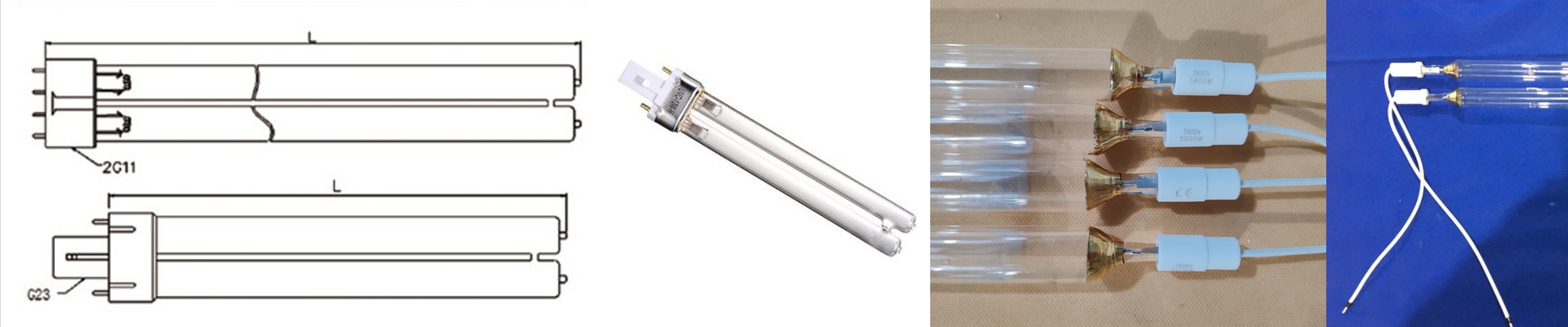
Making Mercury UV Tubes That Actually Last
Mercury vapor lamps are the heavy lifters of industrial curing. If you’ve spent any time on a production line, you know the drill: if your UV output dips even a little, your coating stays tacky. That’s a nightmare nobody wants to deal with.
The secret to a longer lifespan
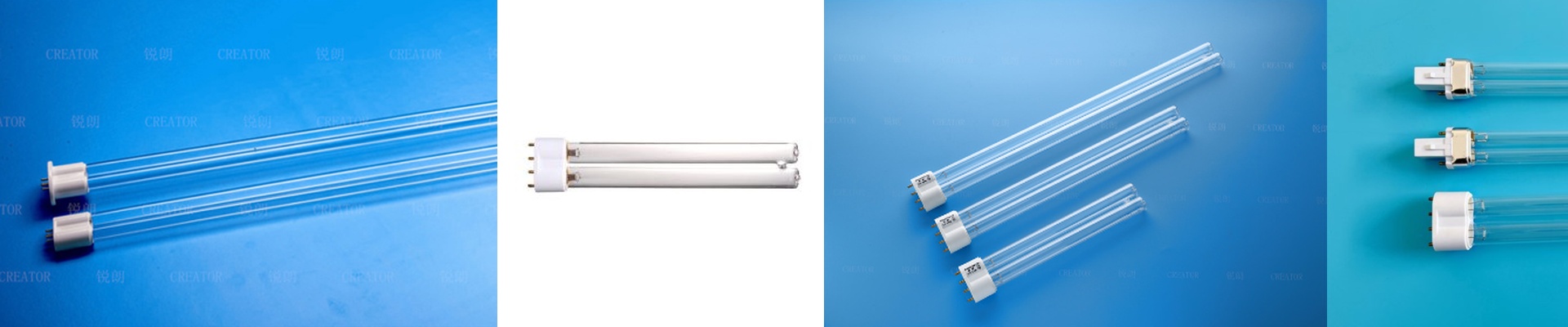
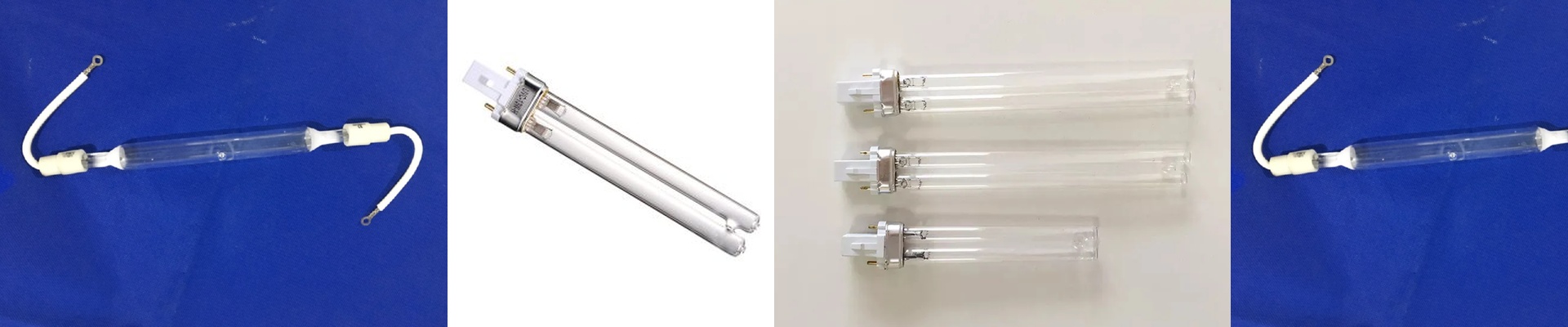
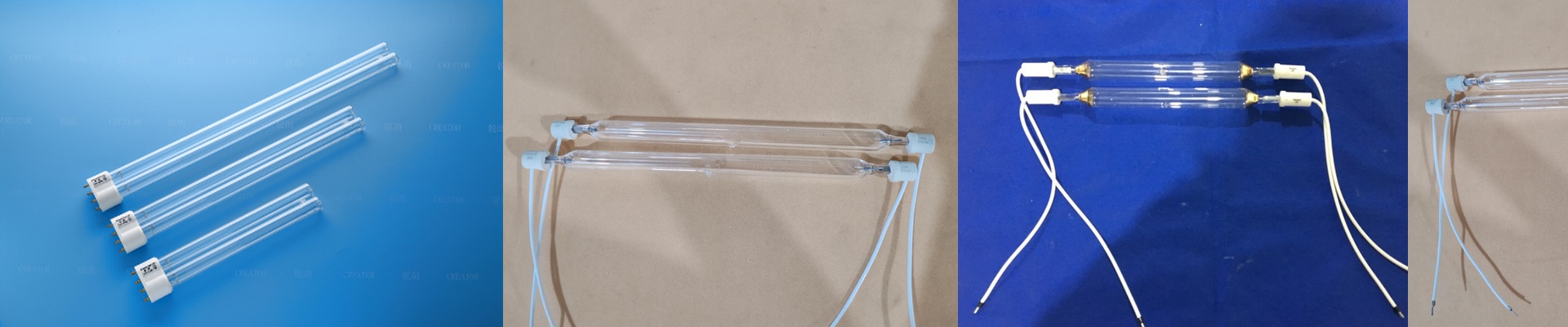
We use high-purity synthetic quartz for a simple reason: we don’t want your tubes clouding over after a few hundred hours. Then there are the electrodes. In cheap tubes, these are usually the first thing to go. They degrade, the arc gets shaky, and the lamp dies. We spec ours to resist that sputtering, which keeps the light steady and keeps the tube running way longer. But here’s the thing—you’ve got to get the ballast right. If you over-drive the tube, you’re basically burning its life away. Under-drive it, and your product doesn’t cure. It’s a bit of a balancing act, but it’s the only way to do it right.
Fitting them in without the headache
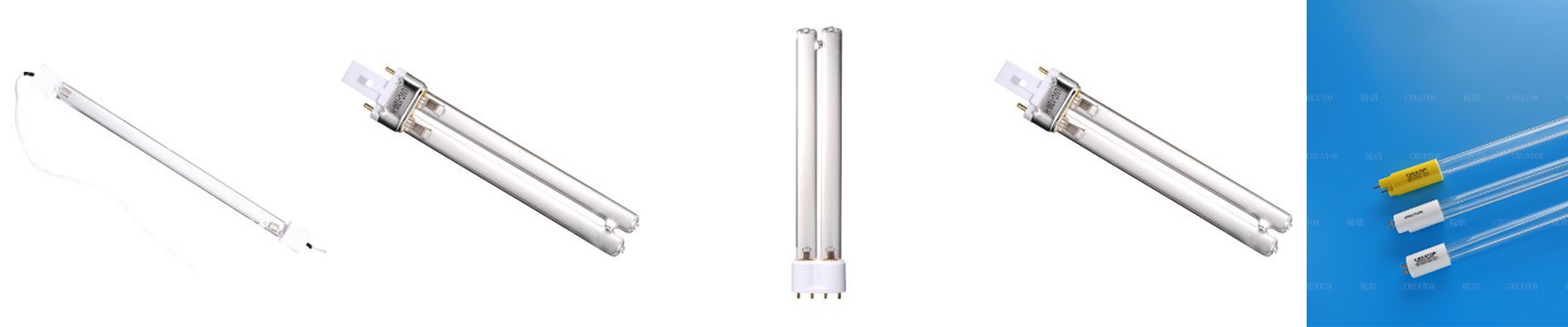
Nobody likes fighting with mounting brackets during a change-out. That’s why we keep our dimensions tight. These are designed to be drop-in replacements, so you can swap them and get back to work without the frustration. Just keep an eye on your heat. These lamps getintense. Since they pump out a lot of infrared radiation along with the UV, your cooling—whether it’s air or water—needs to be up to the task. If your fans are dying or your reflectors are caked in dust, that quartz envelope is going to overheat and crack. Simple as that.
Getting parts when you actually need them
If you’re in e-commerce, you know that demand can spike in a heartbeat. The last thing you need is a dead line because you’re waiting on a shipment from overseas. We keep our most popular specs in stock and ready to go. We get it—downtime costs way more than the lamp itself. By standardizing the common lengths and wattages, we’ve cut out the long lead times. You get the parts, wire them up, and get the line moving again. Fast.