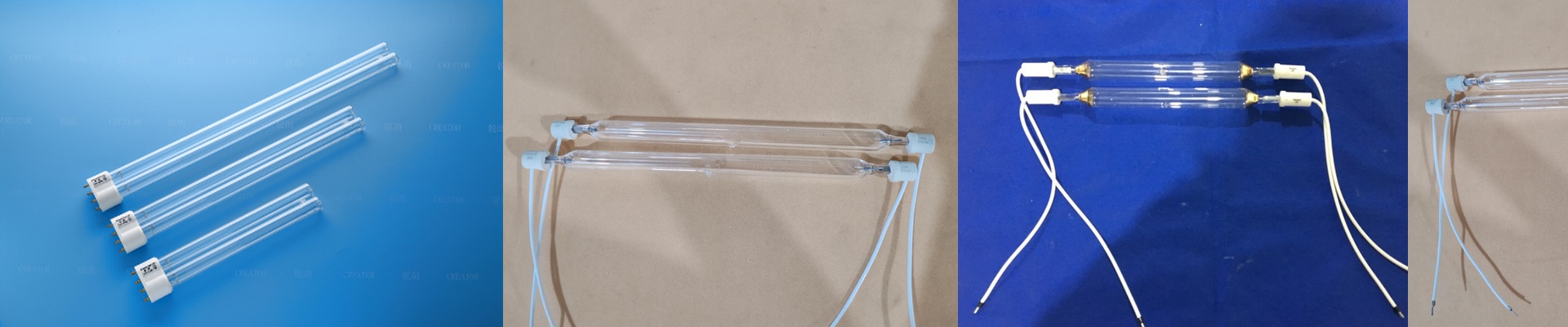
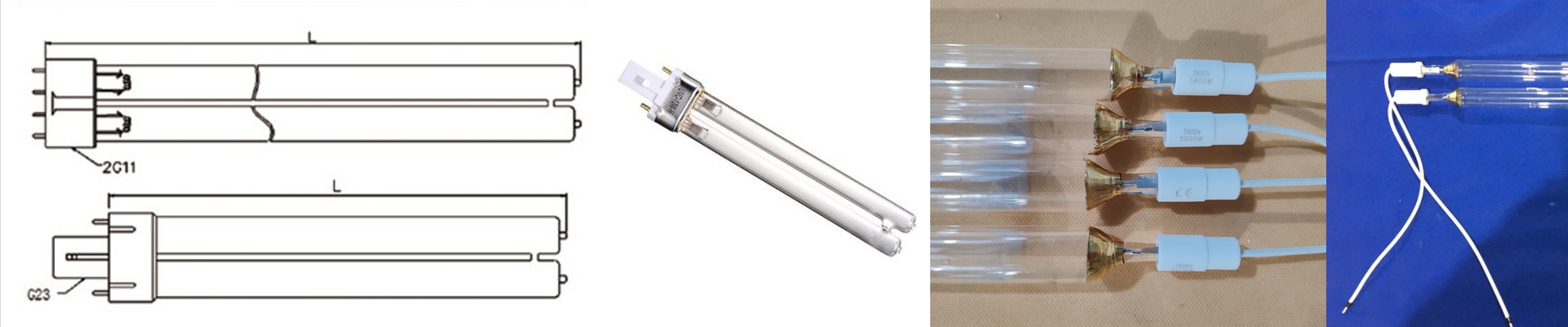
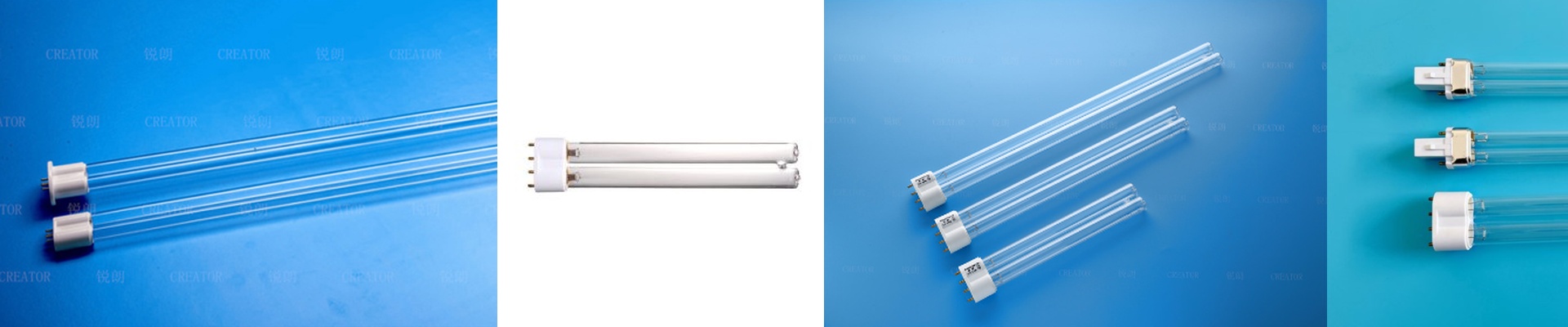
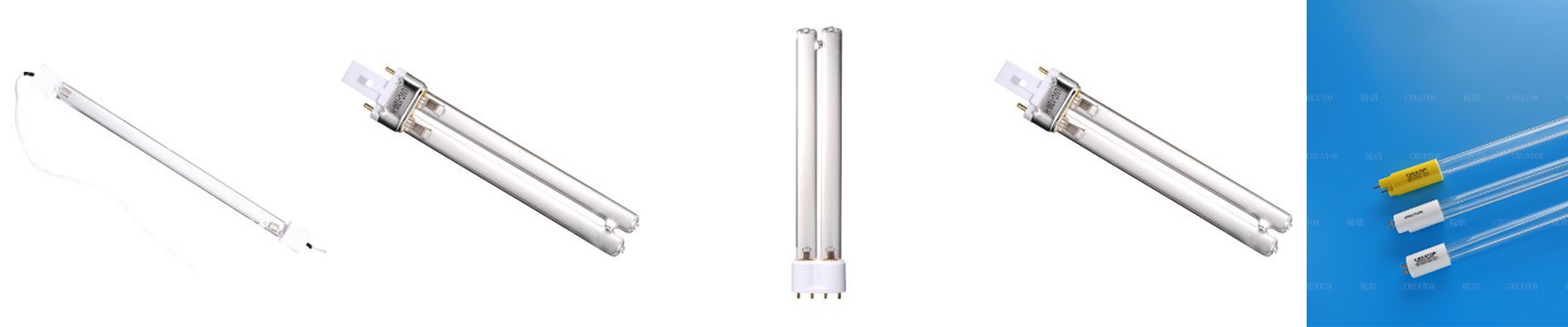
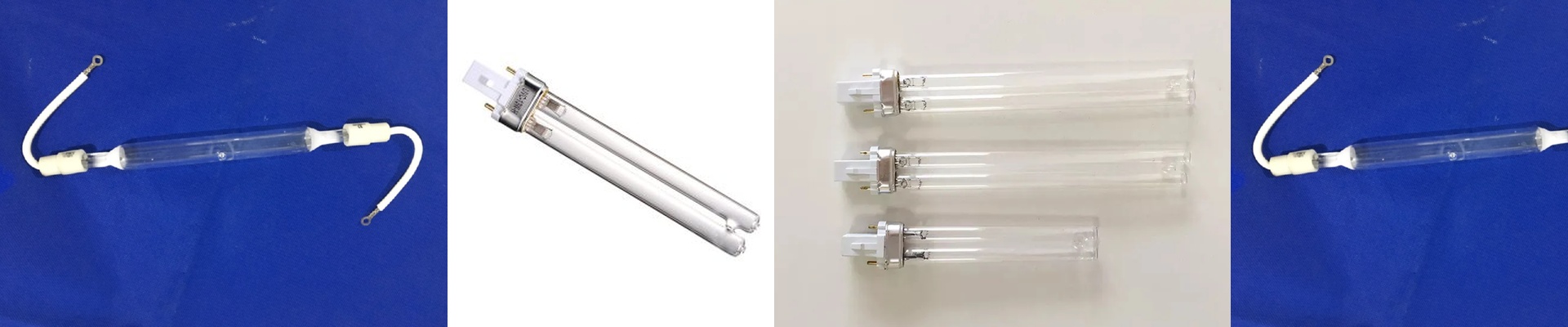
Getting Gallium Iodide Lamps to Hit the Mark
Most UV lamps are a bit messy. They throw energy all over the place across a wide band. But sometimes, you don’t want a floodlight; you want a laser-focused beam. That’s where Gallium Iodide (GaI) lamps come in. We spend our time figuring out how to squeeze that energy into a tiny, tight window.
The struggle for 0.5%
Our R&D team spent months obsessed with one number: 0.5%. We wanted the spectral energy concentrated right there. It sounds like a small detail, but it’s a nightmare to actually do. You’re fighting physics. If the pressure inside the quartz tube drifts even a tiny bit, the whole peak shifts and you’ve lost your concentration. To stop that from happening, we obsess over the electrode shapes and the purity of the gallium iodide. If the arc starts wandering, it creates heat spots in the quartz. Once that happens, your spectral purity is gone. It’s a constant battle to keep everything centered.
The trade-offs (and the heat)
Here is the catch: these lamps run hot. I meanreallyhot. Because we’re cramming so much power into such a narrow peak, the thermal load is massive. You can’t just stick these in a closed box and hope for the best. You need serious cooling. If your chiller quits or your airflow dips for a minute, the quartz can actually soften. Then your peak drifts, and you’re back to square one. We also use high-purity synthetic quartz. Why? Because standard glass would just cloud over or burn out in a few hours under this kind of intensity.
Why this actually matters on the floor
If you’re doing high-end photolithography or specific chemical curing, you know the drill. You need a very specific photon energy to trigger a reaction. Using a wide-spectrum lamp is like using a sledgehammer to hang a picture frame. It wastes power and creates a ton of extra heat that can warp your substrates. When you concentrate that energy into a 0.5% window, you trigger the reaction you want without cooking the rest of your part. It’s a simple swap for broader sources, as long as your power supply can handle the specific impedance of the GaI chemistry.