Let’s Talk About Actually Building a UV Lamp Brand
Most people in the wholesale world treat UV lamps like they’re buying pencils—just another commodity. But if you’ve ever had a batch of lamps die way too early, you know that’s a dangerous way to think. If you want a brand that actually lasts, you can’t just slap a logo on a generic bulb. You have to get your hands dirty with the technical side. That’s where we come in. We don’t just ship boxes; we help you nail down the wavelength, the power, and the shape so your customers aren’t complaining a month after they buy.
The Balancing Act
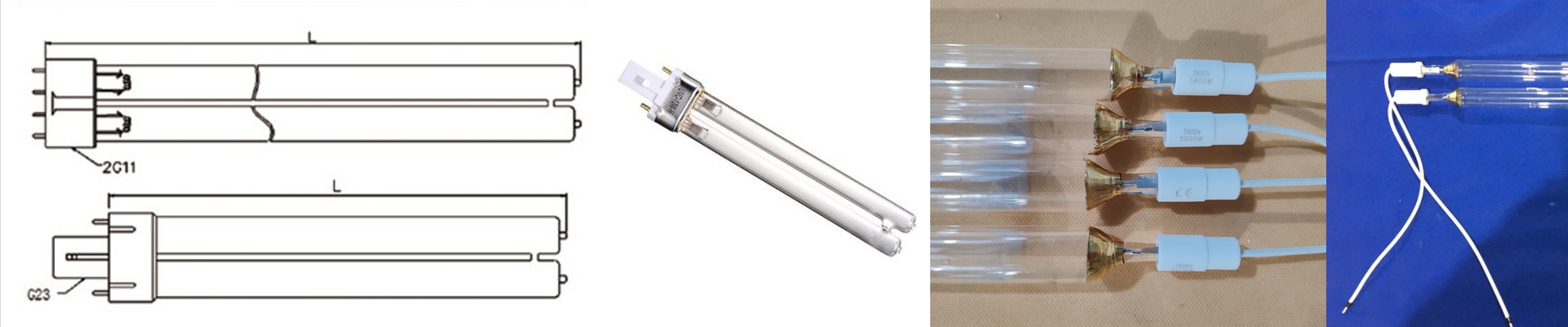
Here is the thing about UV systems: it’s all a tug-of-war between wattage and the length of the tube. If you cram too much power into a short tube, things get hot. Really hot. Sure, the curing happens faster, but you’re putting a massive amount of stress on the quartz. Push it too far without a way to cool it down? Your filaments are going to pop. We spend our time helping you find that sweet spot. You get the power you need (that mW/cm² number) without the lamps burning out in record time.
Getting the Details Right
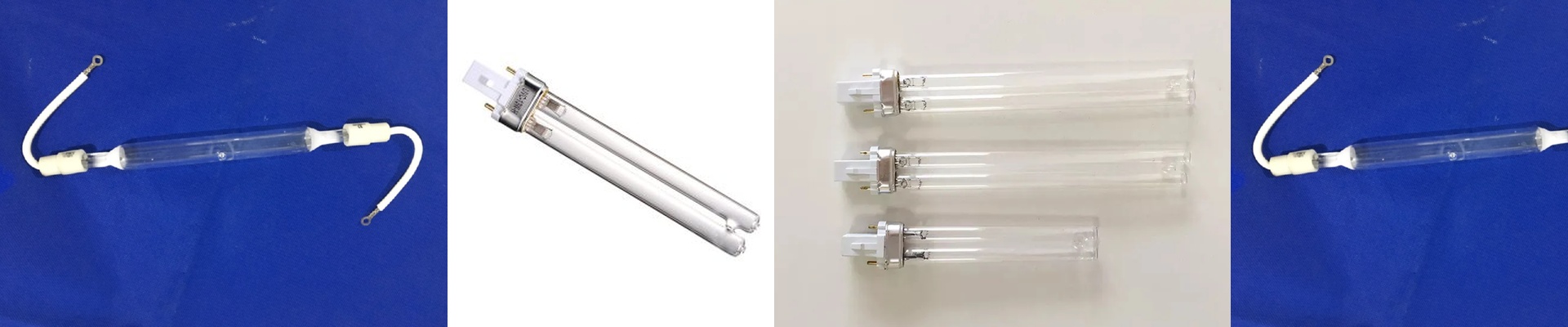
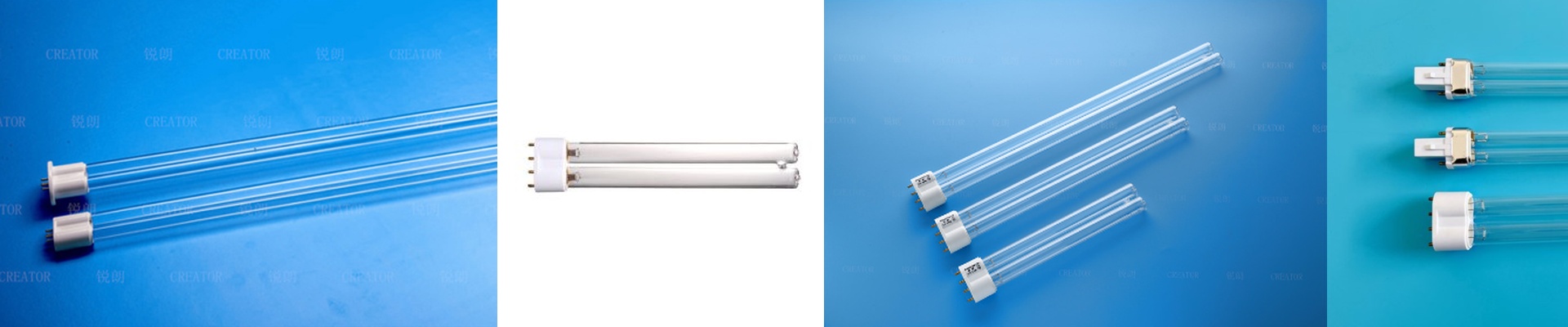
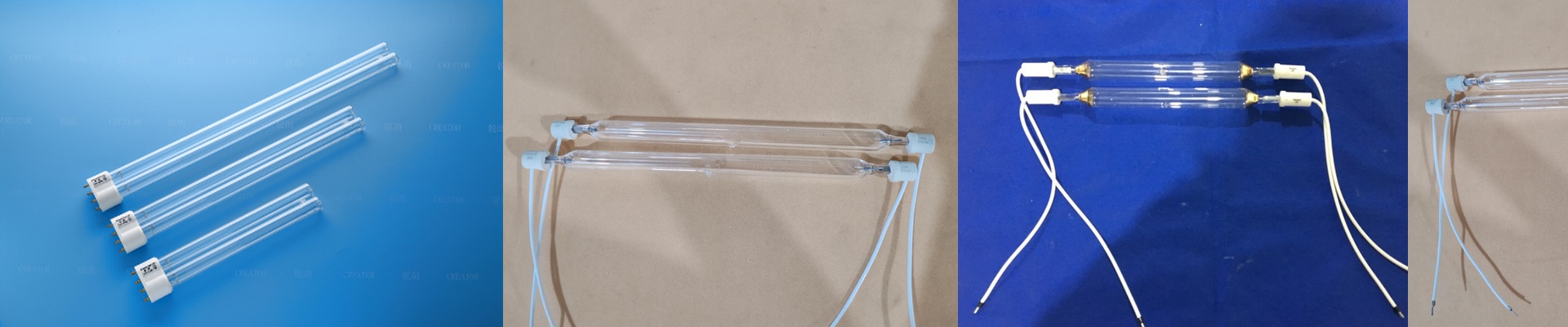
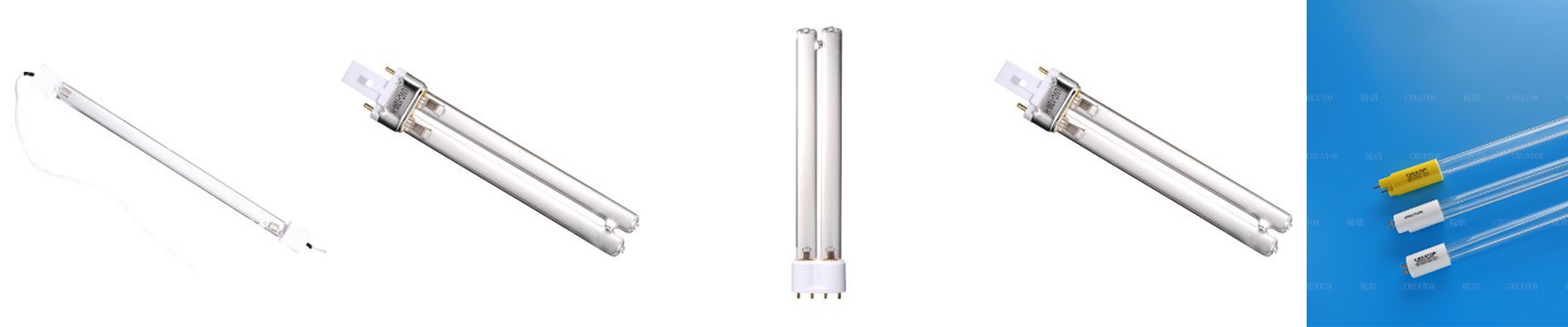
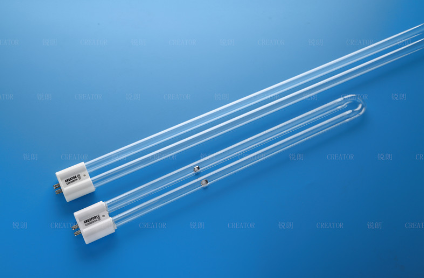
We aren’t just swapping labels. We’re talking about the guts of the machine. You get to pick the optics and the connectors. Maybe you want a standard R7s base because it’s easy for your customers to swap out. Or maybe you’re dealing with a tight industrial housing where only a specialized SK15 will fit. It has to be exact, or it’s just a piece of glass. Then there’s the quartz. Depending on whether you’re doing UV-A, B, or C, the grade of the glass matters. We can even use coated tubes to filter specific wavelengths. Now, fair warning: that usually drops your light output by about 10-15%. It’s a trade-off, but for some chemical curing jobs, that precision is worth every bit of lost light.
From the Factory to Your Customer
The boring stuff—assembly, certifications, voltage, frequency—that’s all on us. You tell us which country’s power grid you’re targeting, and we wire everything to match. We build it to your specs, pack it under your brand, and send it your way. It basically wipes out all that expensive R&D guesswork on your end. You just get a system that works perfectly the moment it hits the factory floor.