Let’s Talk About Modular UV Curing
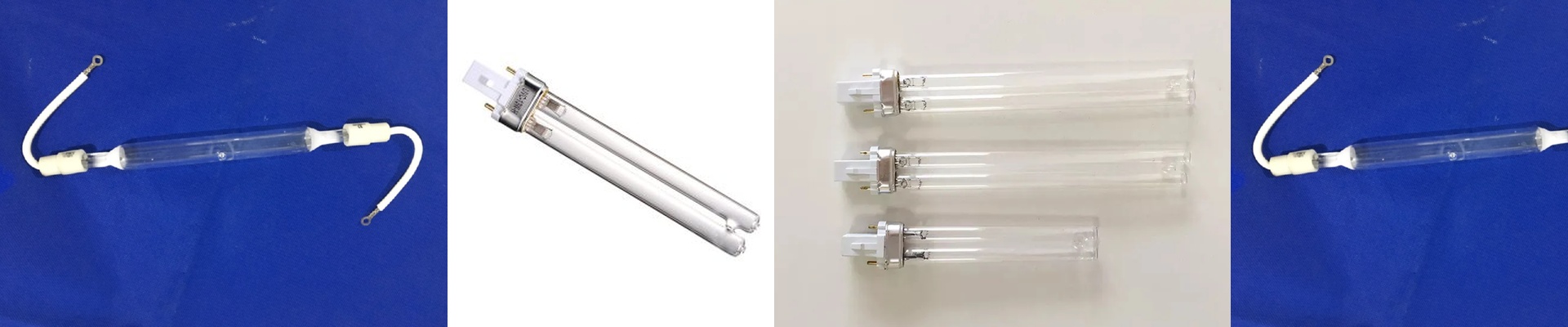
Look, we aren’t in the business of just shipping you a box of spare UV lamps and calling it a day. That’s not how real production works. To us, UV curing is a dial you need to turn. Depending on how thick your ink is or how fast your conveyor is humming along, you need to be able to tweak that output on the fly. That’s where a modular system comes in.
Why Modular Actually Matters
Forget the “one size fits all” mindset. It never actually fits anyone. By breaking the curing zone into independent modules, you can target the exact wavelength your photoinitiators need. We build these as drop-in replacements. So, if one section gives out—or if you’re suddenly running a heavy-load white ink that needs more punch—you just swap that one module. You don’t have to tear down the whole rig and lose a day of production. It’s a quick fix.
Dealing With the Heat
Here’s the thing: high-intensity UV creates a ton of heat. If you cram too much wattage into a small space to speed up your line, you’re asking for trouble. You might scorch the material, or worse, you get “skinning.” That’s when the top looks cured, but the bottom is still a gooey mess. We spend a lot of time balancing lamp length and power density to stop that from happening. But a heads-up: make sure your exhaust fans are actually doing their job. If the heat doesn’t move, your tubes will burn out way faster than they should.
Getting the Angle Right
Whether you’re doing textile printing or industrial coating, the gap between the lamp and the material is everything. Our modular setups let you shift the focal point. It ensures the energy hits the ink at just the right angle to lock everything in place. We care more about how the lamp’s output plays with your specific ink chemistry than just the hardware itself. If your cure rate is lagging, we don’t just tell you to buy a new lamp. We look at the irradiance levels to find out why it’s actually happening.