Making Mercury UV Curing Actually “Smart”
For years, standard mercury UV bulbs have been the heavy lifters on the curing line. They’ve got the raw power to keep things moving fast, but let’s be honest: they’re basically black boxes. You know they’re on, but you’re mostly guessing when it comes to how much energy they’re pulling or exactly when the output starts to tank. We’re fixing that by putting remote energy monitoring right into the standard lamp footprint.
The Hardware Side of Things
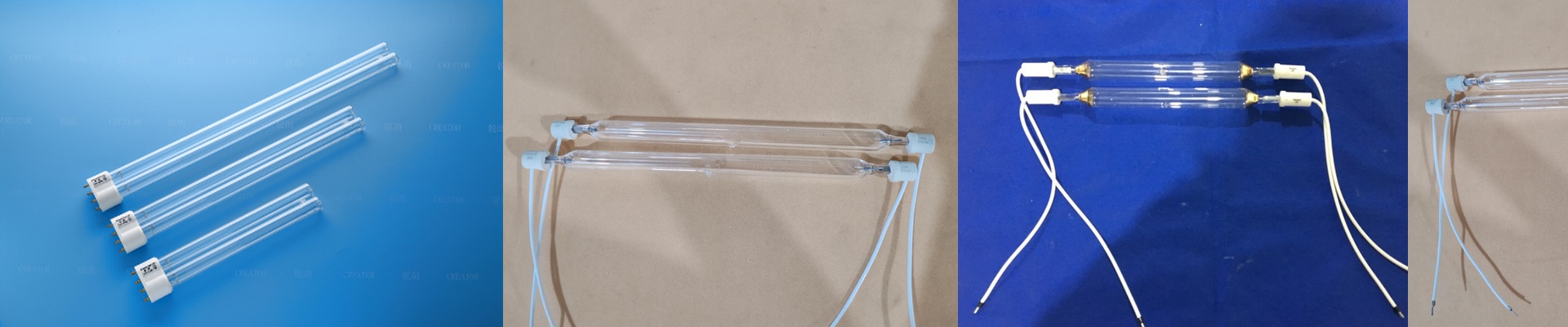
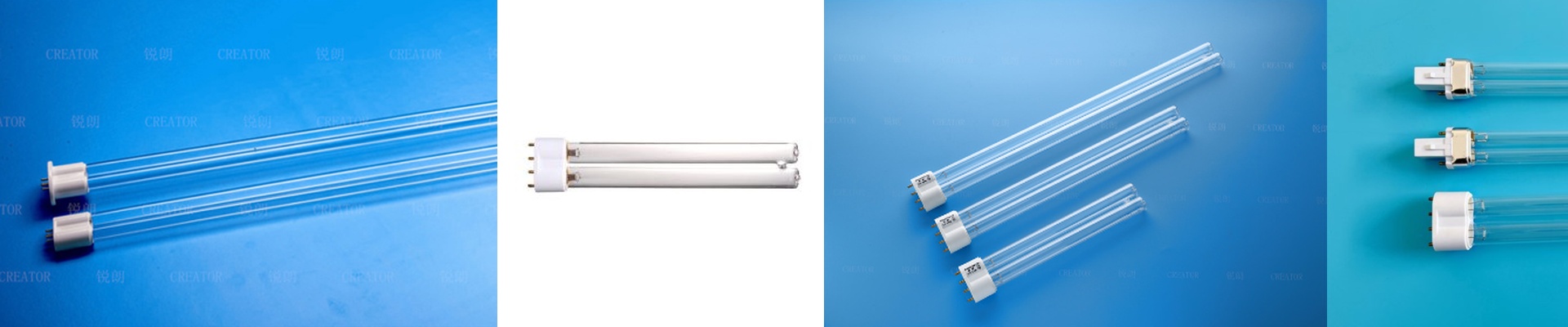
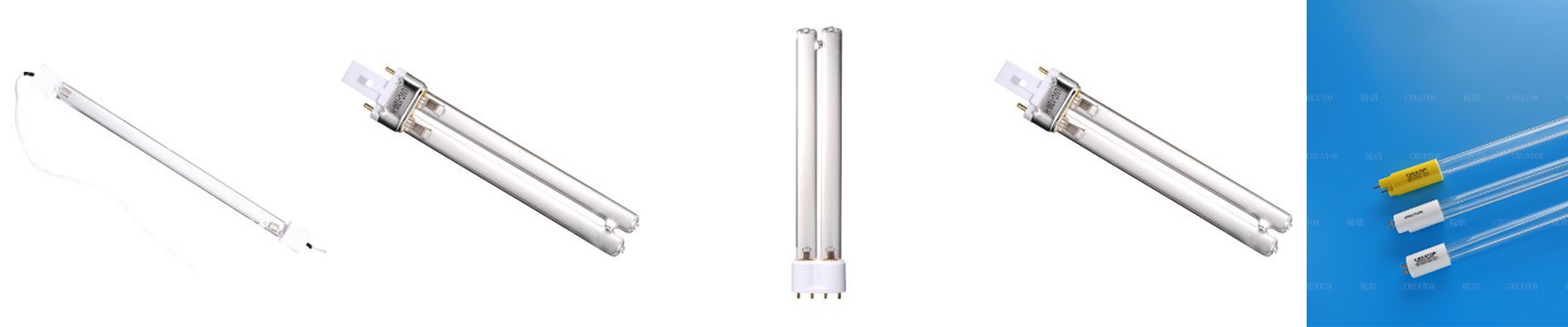
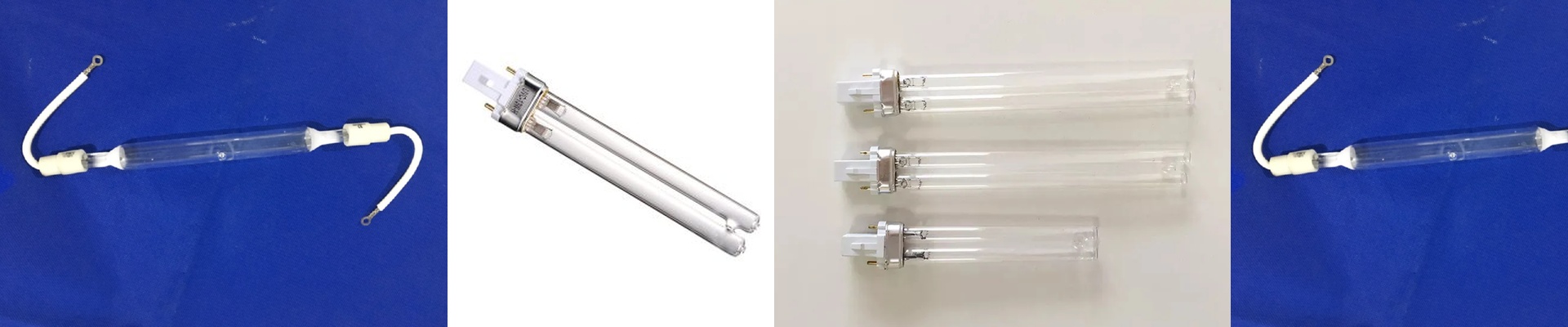
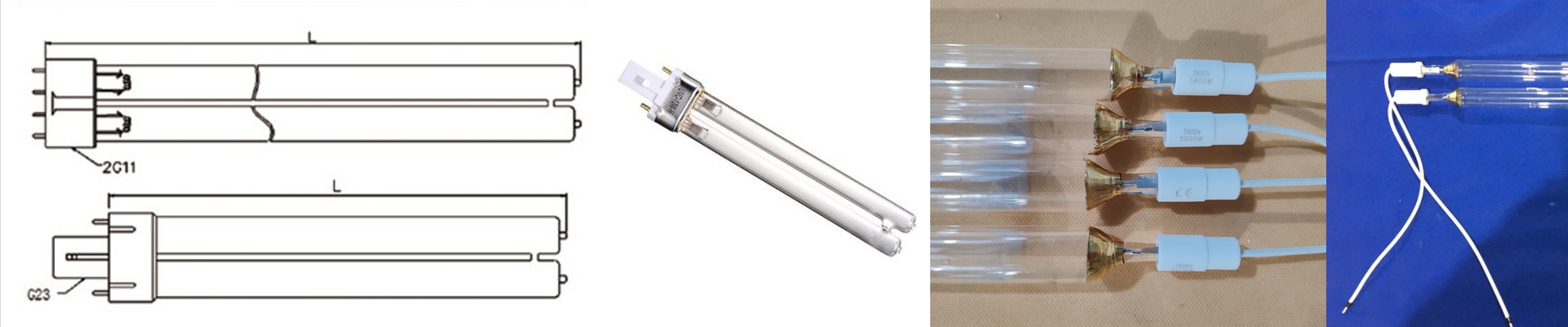
These bulbs are a balancing act of voltage and wattage to keep that plasma arc stable. And man, do they get hot. If your cooling isn’t up to the task, that quartz envelope takes a beating, and your bulbs burn out way too soon. We use high-purity quartz to help them survive the heat, but the real problem isn’t the glass—it’s that we’re flying blind.
Getting Eyes on the Energy
The new approach moves us past simple timers. We’re talking about adding current transducers and IoT power meters right at the ballast. Now, you can see the kilowatt-hour (kWh) consumption in real-time. It’s a huge relief. Instead of tossing a bulb just because the calendar says it’s time—which usually means wasting a perfectly good lamp—you can wait until the power draw and spectral decay actually tell you it’s time for a change.
The Reality Check
Look, there are trade-offs. Adding this gear means the initial setup costs a bit more, and your electrical cabinet gets a little more crowded. You’ll also need a steady network connection if you want to check your dashboard from across the room. But here’s why it’s worth it:no more surprise shutdowns. You can spot a flickering lamp or a dying ballast on your phone before the whole line grinds to a halt. It turns that stressful “something broke” scramble into a calm, planned update. You still get all that raw mercury power, but now you actually know what’s happening under the hood.