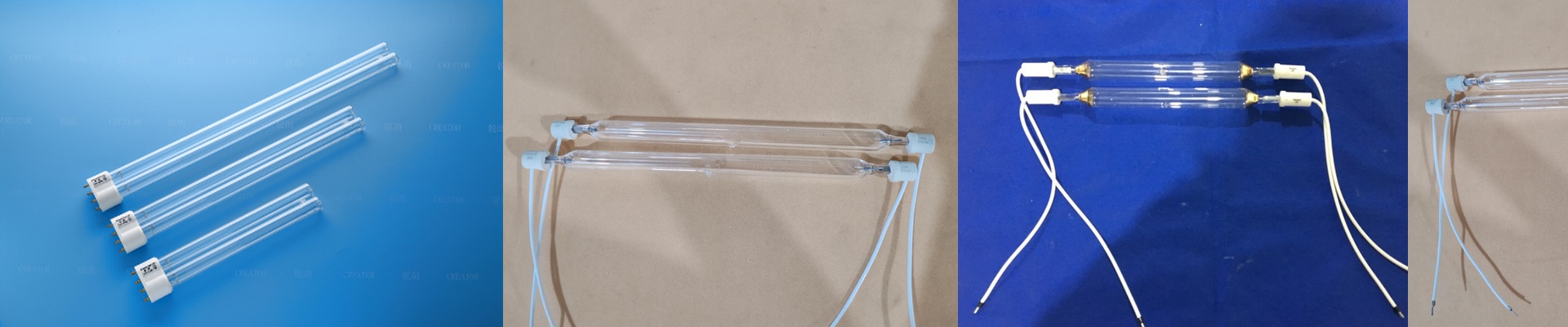
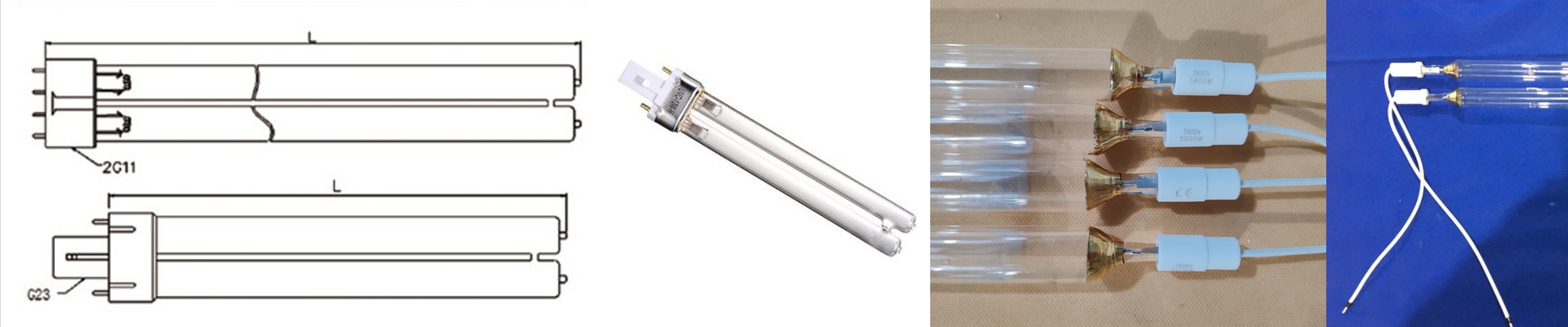
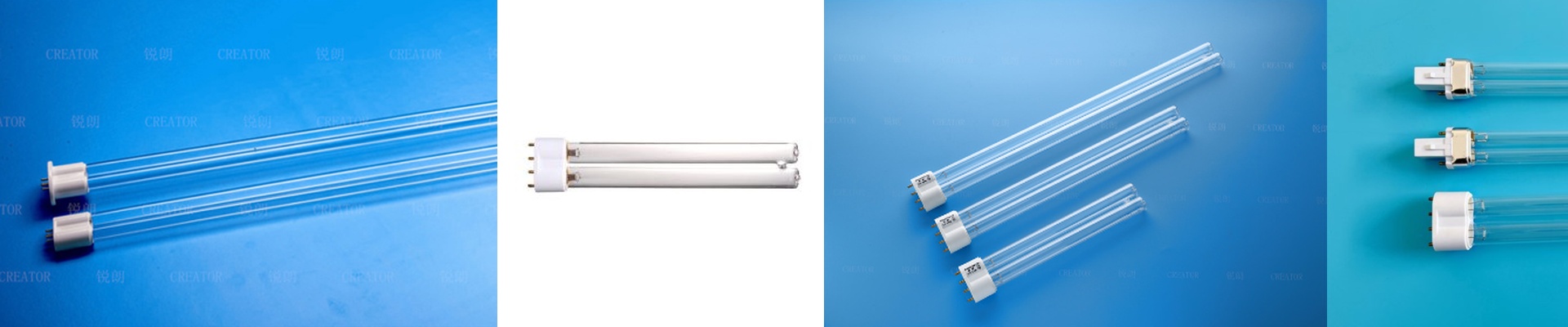
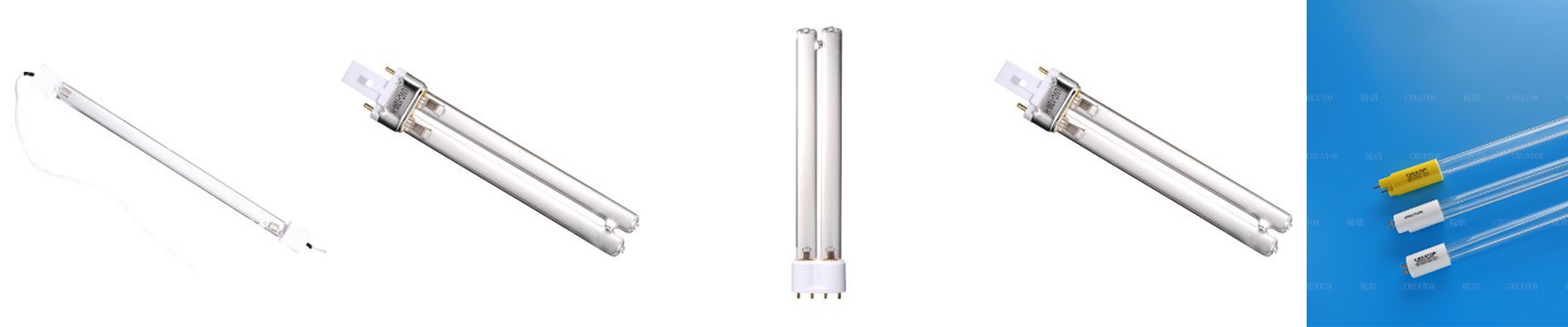
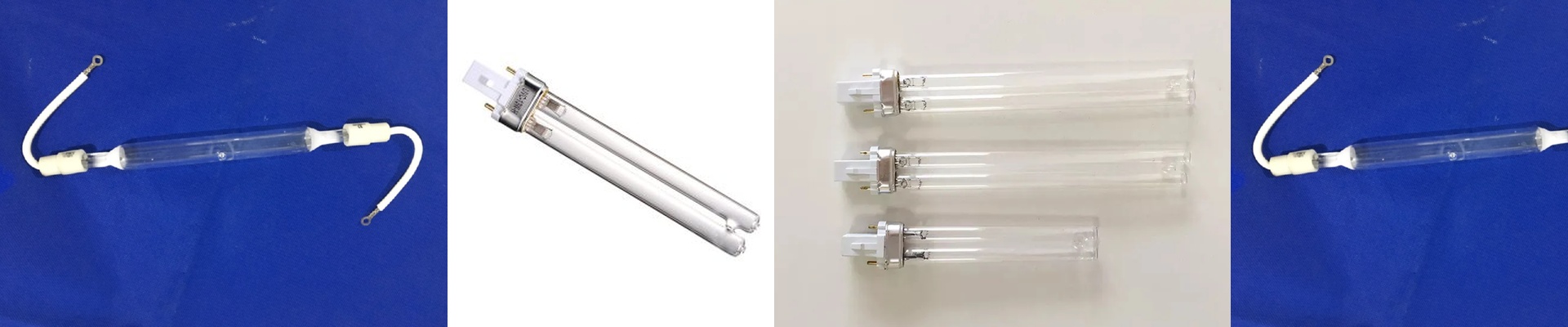
Let’s Talk About Mercury UV Curing Bulbs
If you’ve spent any time on a production floor, you know mercury UV lamps. They’re the real heavy lifters of industrial curing. Their whole job is to hit liquid inks and coatings with enough energy to snap them into solid films in a fraction of a second. It’s basically magic, but with more electricity.
How the Magic Happens
Inside the bulb, it’s all about the arc. We send electricity through pressurized mercury vapor, which kicks off a collision of electrons. That’s what gives you those UVC and UVB photons. Now, we don’t use regular glass for the envelope. It would just shatter under the heat or block the UV light entirely. Instead, we use high-purity fused quartz. It can take the heat and let the light through.
Power, Heat, and the Balancing Act
When you’re looking at wattage and voltage, don’t just treat them as specs on a sheet. They’re what actually drive your speed. More wattage means more photons, and more photons mean you can crank up your conveyor belt and get more done. But here’s the catch: your ballast has to match the bulb’s voltage exactly. If they’re out of sync, you’re just asking for a premature burnout. And then there’s the heat. These things gethot. Really hot. If your cooling—whether it’s air or water—isn’t doing its job, the quartz envelope starts to suffer. You’ll see “solarization,” where the glass gets cloudy. Once that happens, your UV output tanks long before the mercury is actually gone.
Keeping Things Running
We build these to be simple drop-in replacements, but the devil is in the details. Most of the failures we see happen right at the socket. If the bulb isn’t seated perfectly, you get a loose connection. That creates a tiny arc at the end cap, which can melt your socket and kill the bulb in one go. It’s a headache you definitely want to avoid. Also, keep an eye on the clock. These lamps lose their punch as they age. Track your hours. Swap them out before the light dips too low to cure your product. Some people try to compensate for an old bulb by running it hotter, but that’s a gamble. You’ll likely end up scorching your material.