Getting Your UV Sterilization Right
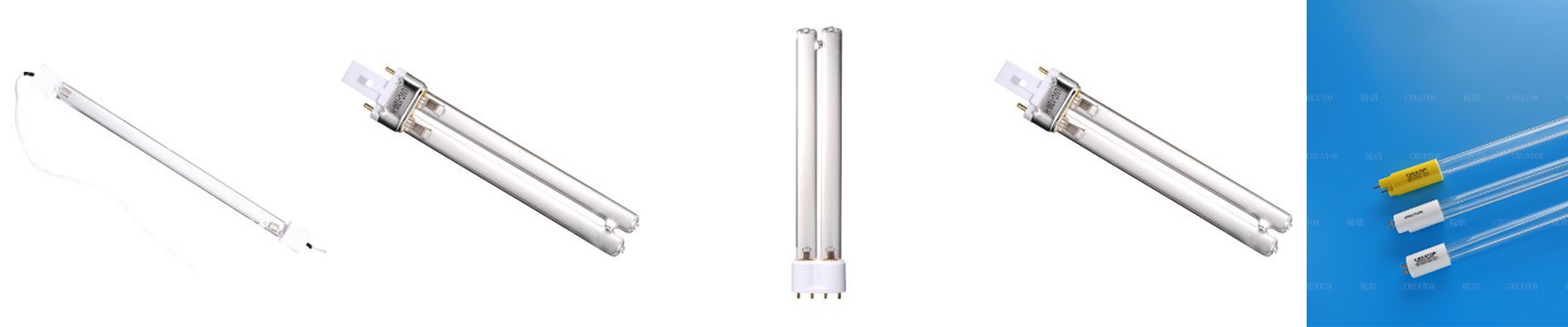
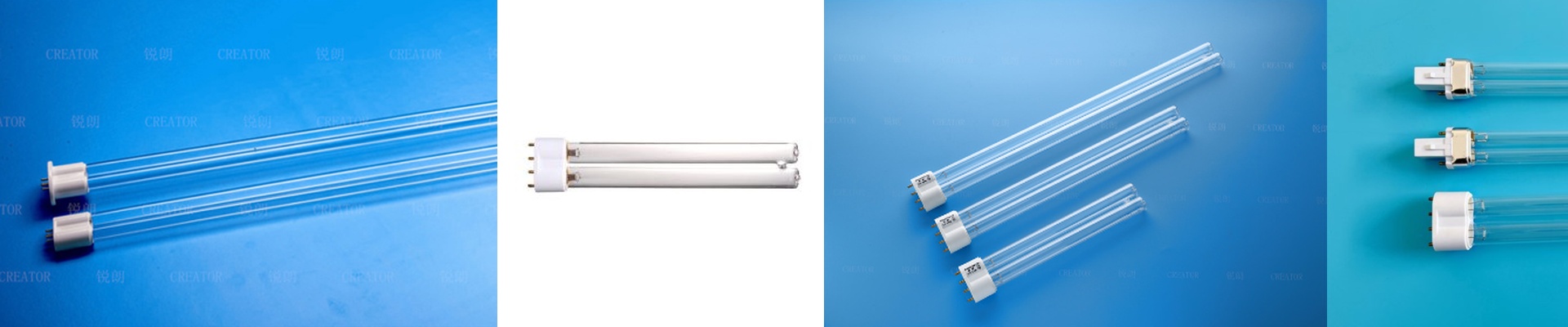
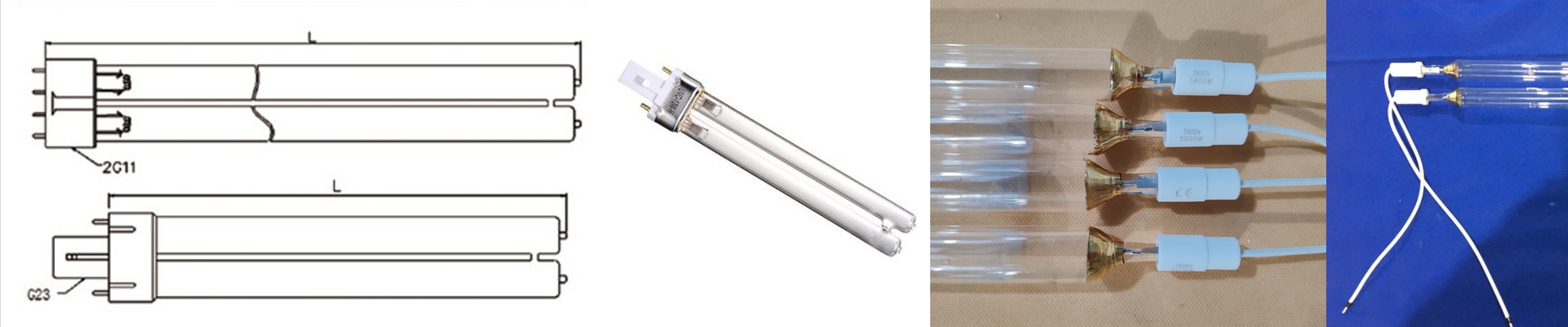
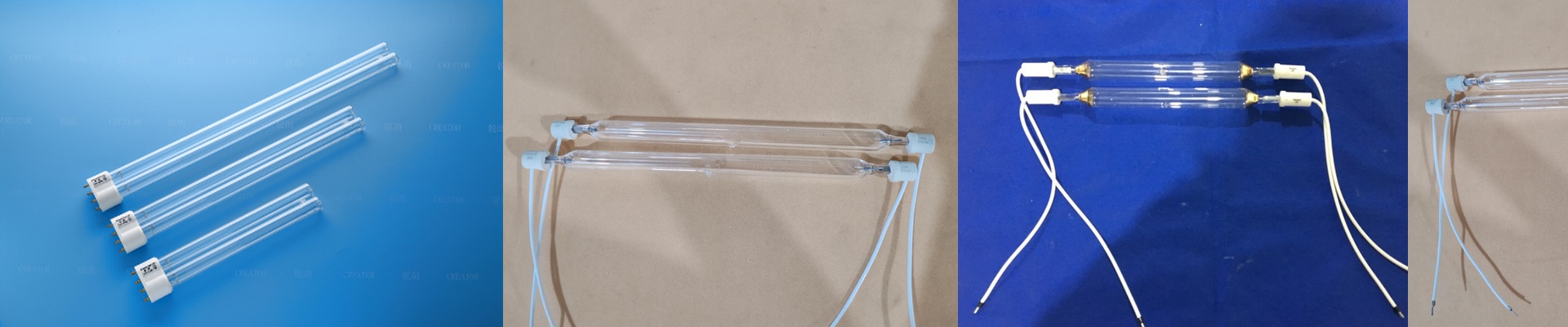
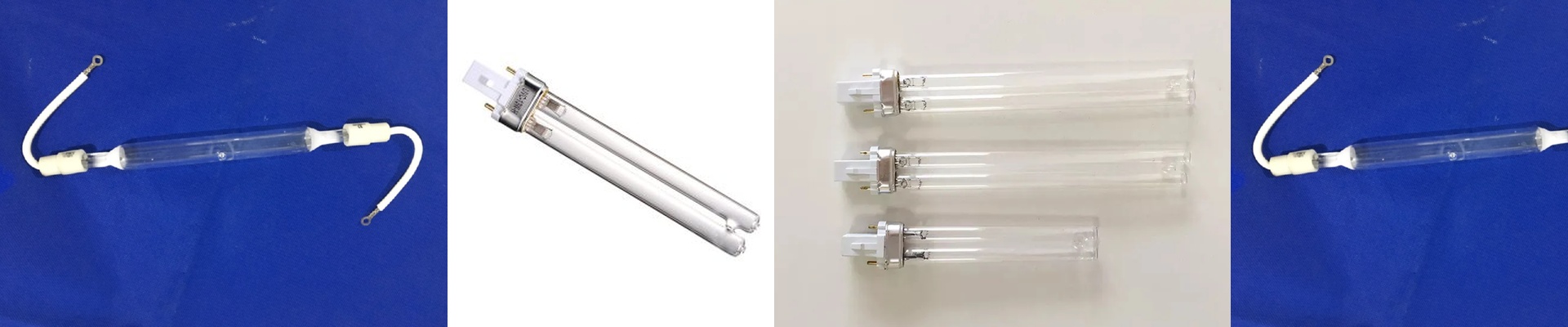
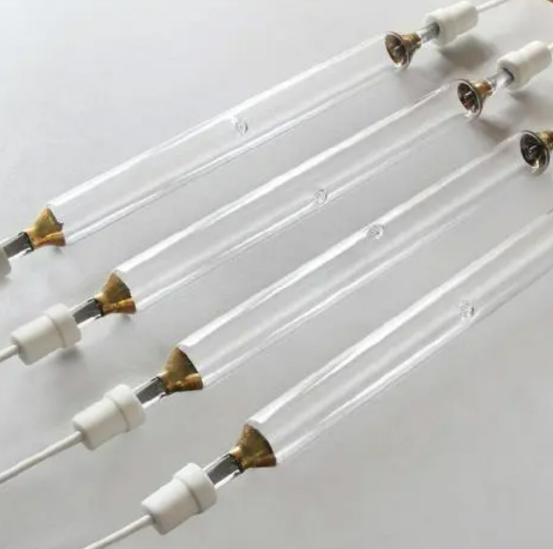
We build UV systems that do one thing really well: they hit your product with exactly the right amount of light energy to get the job done. Whether you’re sterilizing a surface or curing ink, it all comes down to the photons. In a high-speed printing line, the difference between a crisp, professional finish and a smeared mess is basically just how much light is actually hitting the material. The heat struggle We focus on the UV-C spectrum because that’s what actually breaks down contaminants or locks in your ink. But here’s the catch: more power usually means more heat. High-wattage tubes are great for keeping your line moving fast, but they run hot. Really hot. If your cooling or exhaust system can’t keep up with that spike, you’re going to end up warping your materials. It’s a balancing act. Why quartz matters You can’t just use any glass here. Standard glass blocks UV rays, which means the energy stays trapped and just heats up the lamp. That’s a waste. We use high-purity fused quartz because it lets the light fly right through. We also tweak the tube diameter to spread the light out. This stops those annoying “hot spots” and makes sure the cure is even across the whole width of your print. Making it work in your shop We designed these units to be drop-in replacements. They aren’t complicated to install. Just a heads-up on the wiring: use high-temperature leads. You don’t want your insulation melting or burning out right next to the lamp heads. One thing to keep in mind is that these bulbs don’t last forever. As the electrodes wear down, the light fades. The best way to handle this is to keep an eye on your run-hours. Swap the tubes before the output dips too low. It’s a lot cheaper to change a bulb than it is to throw away a whole batch of rejected product because it didn’t cure. We provide the raw power. You just adjust the distance and the belt speed until it feels right for your specific setup.