How UV Curing Actually Works (and how to not mess it up)
At its simplest, UV technology is just about using short-wave radiation to spark a reaction. In the world of printing and coating, we use that energy to trigger something called photopolymerization. Basically, it’s the magic trick that turns a liquid ink into a rock-solid polymer in the blink of an eye.
Getting the Power Right
The secret is in the wavelength. You can’t just throw any light at a resin; it has to match the photoinitiators in the ink, or nothing happens. Then there’s the power. If you go too light on the wattage, you’ll end up with a tacky, sticky surface that ruins your product. But if you crank it too high? You’ll scorch your materials. It’s a balancing act.
Why Quartz Matters
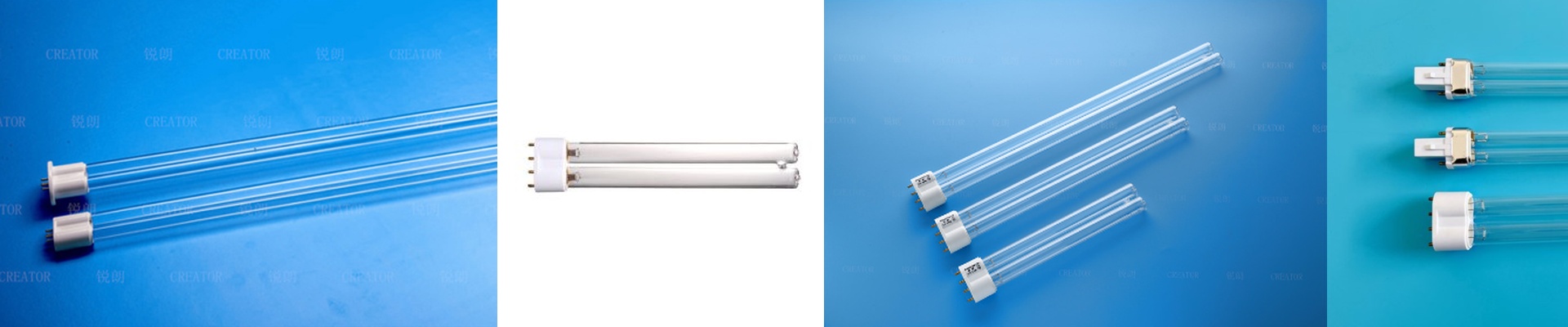
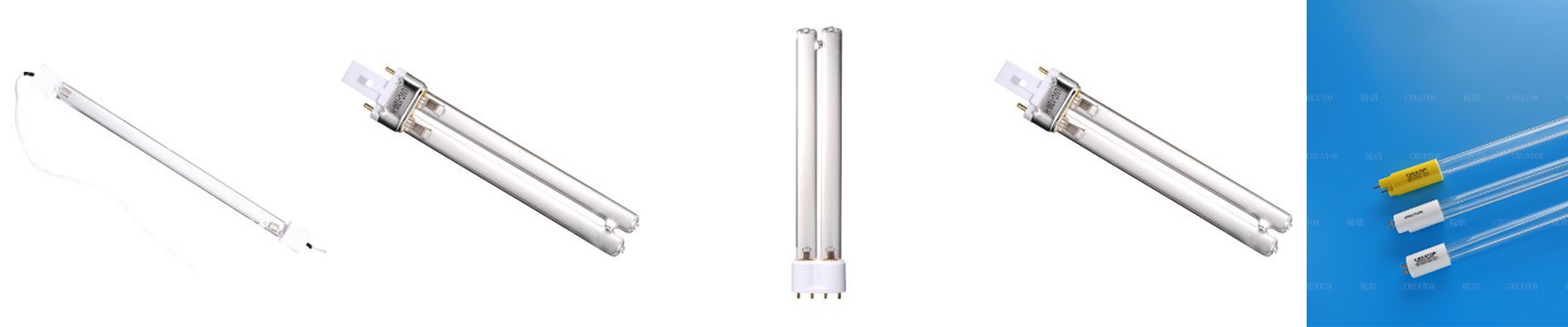
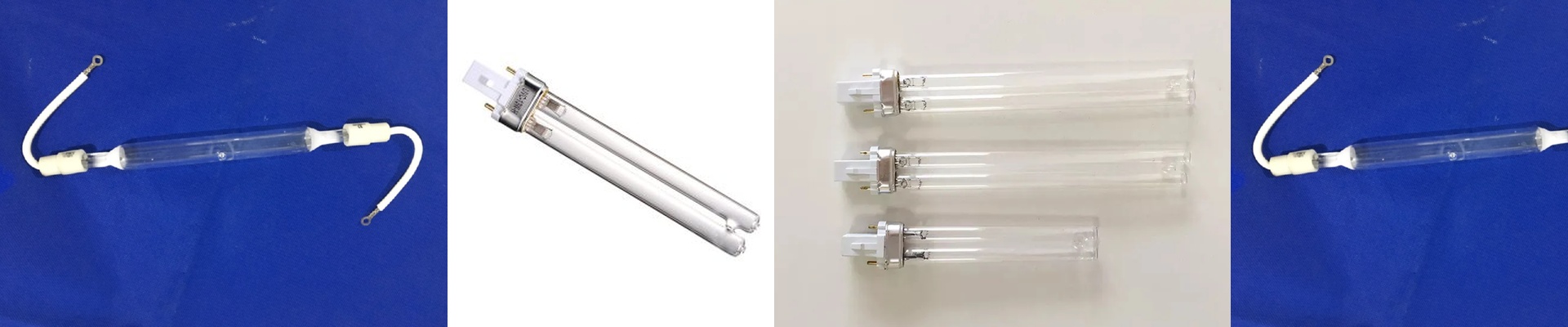
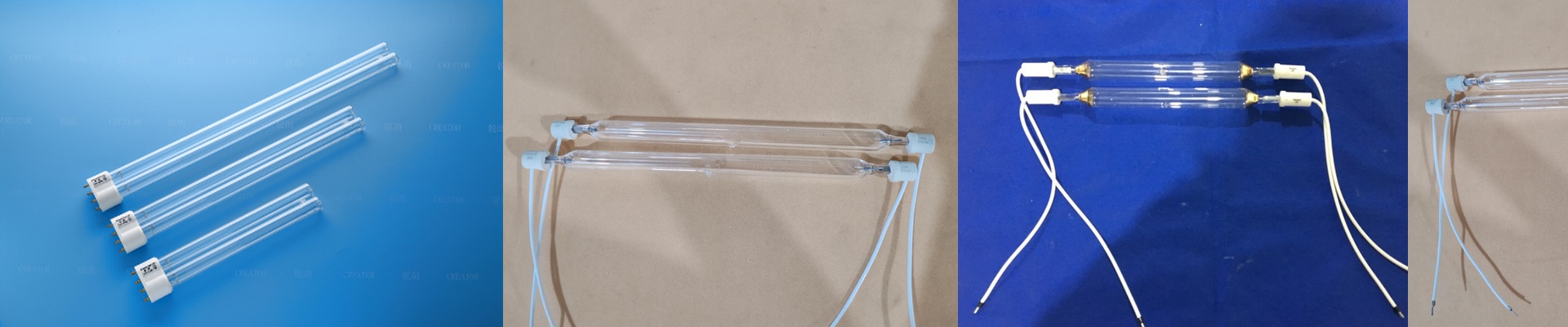
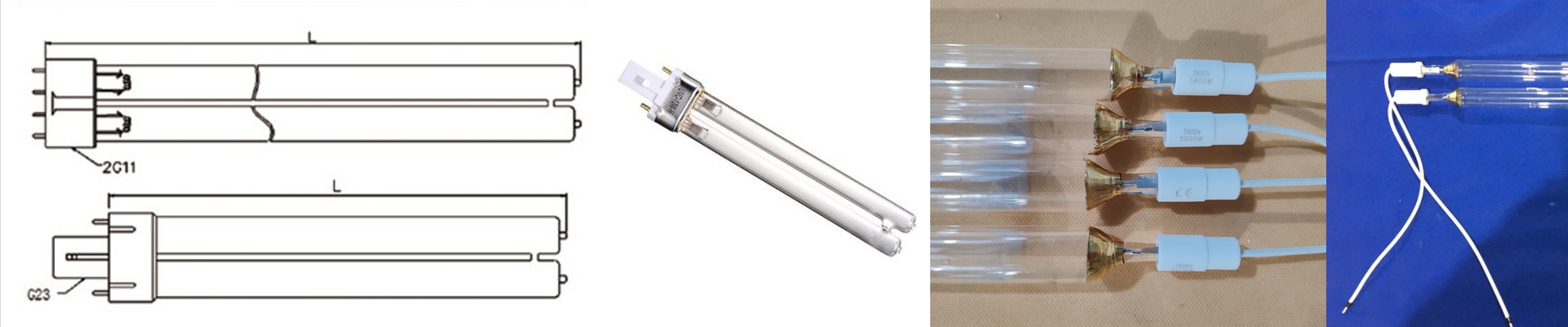
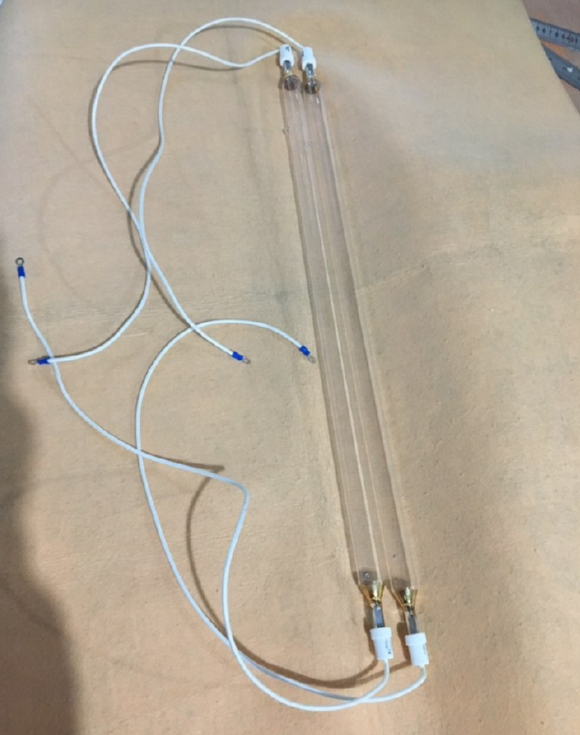
You won’t find regular glass in our lamps. Why? Because standard glass blocks UV rays. We use high-purity quartz because it lets the light fly right through. These tubes live a hard life. They deal with intense heat and crazy internal pressure. We build the envelopes to handle that rapid expansion so they don’t just pop under the stress. But here’s the thing: UV lamps aren’t just light—they’re heat machines. They pump out a ton of infrared radiation. If you don’t have a plan for that heat—like chilled rollers or a solid airflow system—your parts will warp and melt before the ink even has a chance to cure.
Keeping Things Running
We make our systems easy to swap out. When a lamp goes, you want it replaced fast so your line doesn’t sit idle. Alignment is where most people trip up. If your lamp shifts just a few millimeters, the dose changes, and suddenly your quality drops. To stop that, we use sturdy, standardized connectors that can handle the constant shaking and vibration of a busy factory floor. And look, lamps don’t last forever. The electrodes wear out, and the light gets dimmer. Don’t guess when it’s time to change them. Keep an eye on your mW/cm² output. It’s the only way to know you need a new tube before your quality control team starts rejecting your batches.