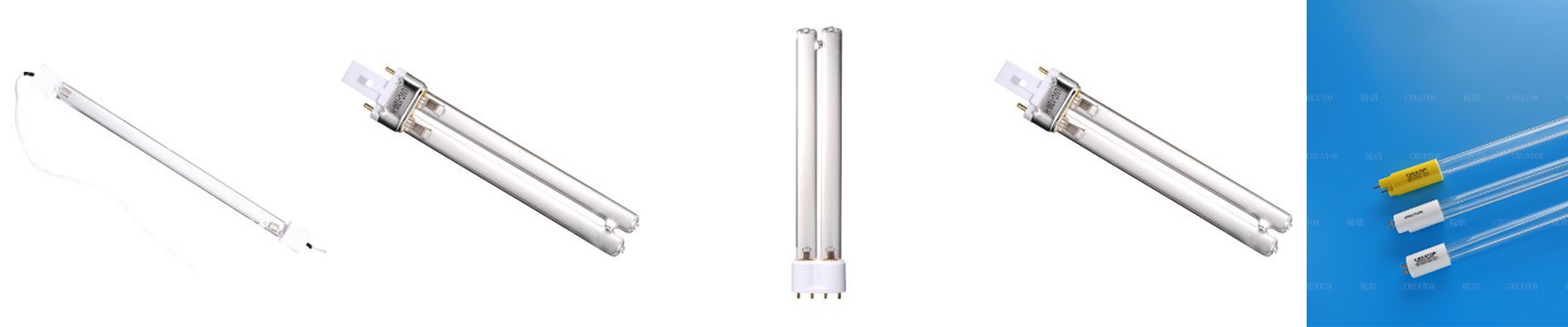
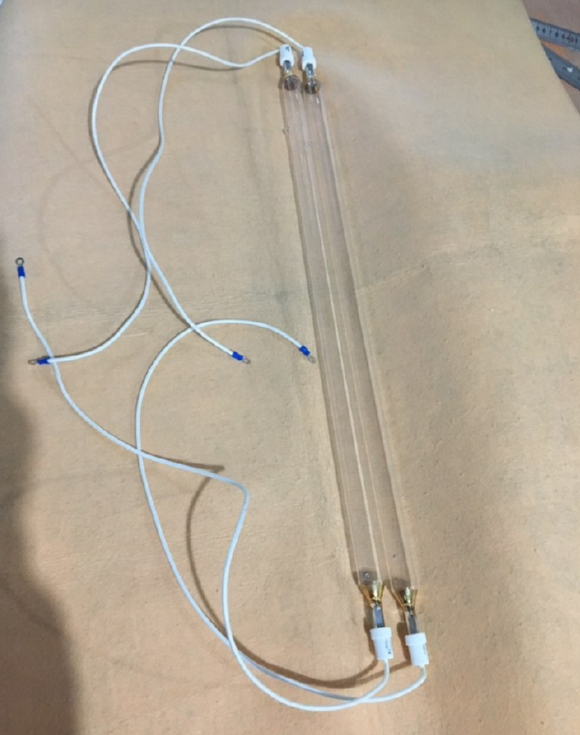
Getting Your UV Wavelength Right
When we build our UV systems, we’re chasing one thing: killing as many germs as possible without wasting a dime on electricity. See, most generic UV lamps are messy. They leak energy into wavelengths that don’t actually do anything to microbes. It’s like paying for a full meal but only being able to eat the garnish. We spend our time in the lab narrowing that output down to 253.7nm. That’s the sweet spot.
Why the numbers matter
Here’s the thing about microbe DNA—it’s incredibly sensitive to UVC radiation right around 260nm. If your lamp is pumping out light at 280nm or 220nm, you’re just heating up the room. You’re paying for power that isn’t working. We use a specific mix of gases and doped quartz to tighten that beam. The result? You get a much higher kill rate for every single watt you pull from the wall. It’s just efficient.
The heat struggle
Keeping that wavelength tight isn’t easy. It requires a steady temperature. If the lamp gets too hot, the mercury vapor pressure shifts, and your peak wavelength starts to drift. Suddenly, you aren’t hitting the target anymore. That’s why we use high-conductivity aluminum heat sinks. They pull the heat away fast to keep the arc stable. And a quick word of advice: be careful with your ballast settings. It’s tempting to over-drive the lamp to get more intensity, but that’s a trap. You’ll get a quick burst of power, sure, but you’ll burn out the cathode and mess up the spectrum. You’ll end up replacing tubes way more often than you should.
Putting it into the real world
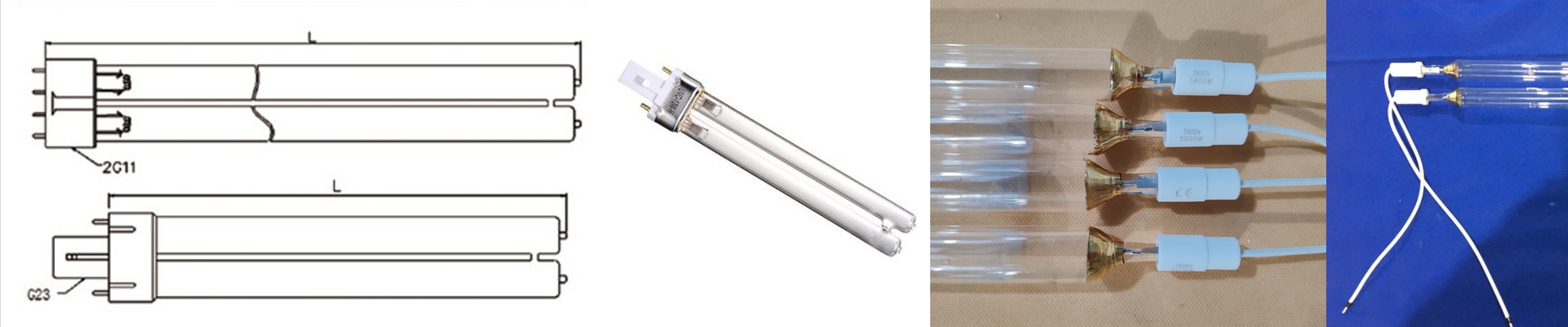
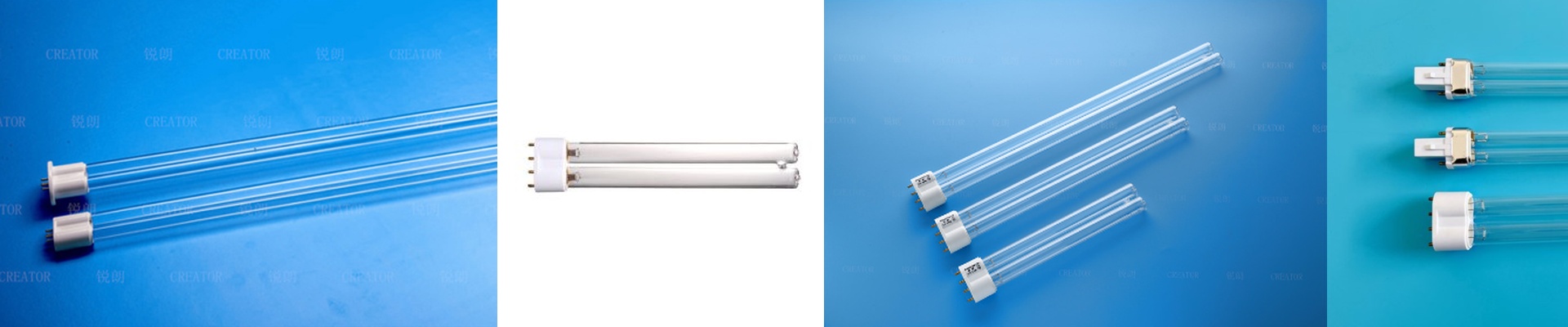
We designed these to be drop-in replacements. They just work with the sterilization lines you already have. Because we concentrate the energy exactly where it needs to be, you can often pull a few lamps out of your array and still get the same results. It makes your UV chamber smaller and less cluttered. Just one thing—double-check your shielding. This stuff is intense, and you don’t want it eating away at your plastics or seals over time.