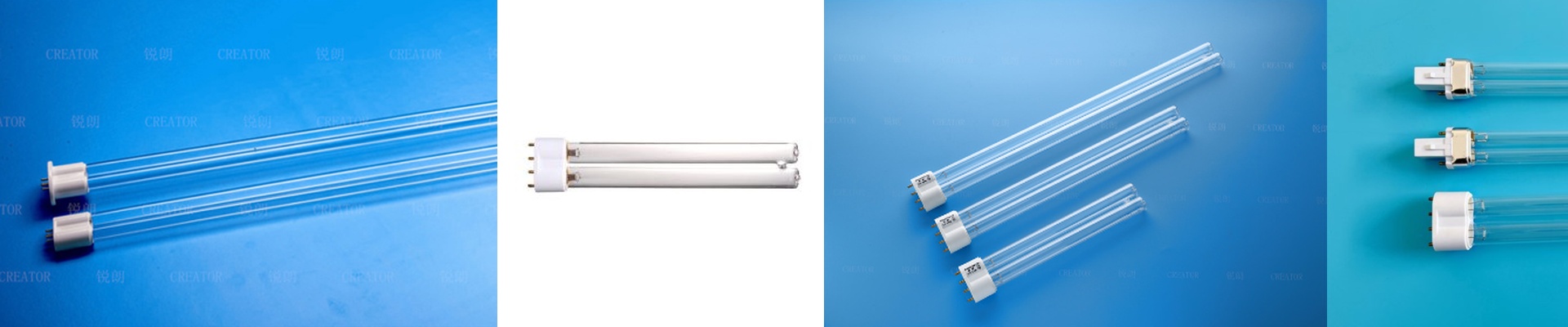
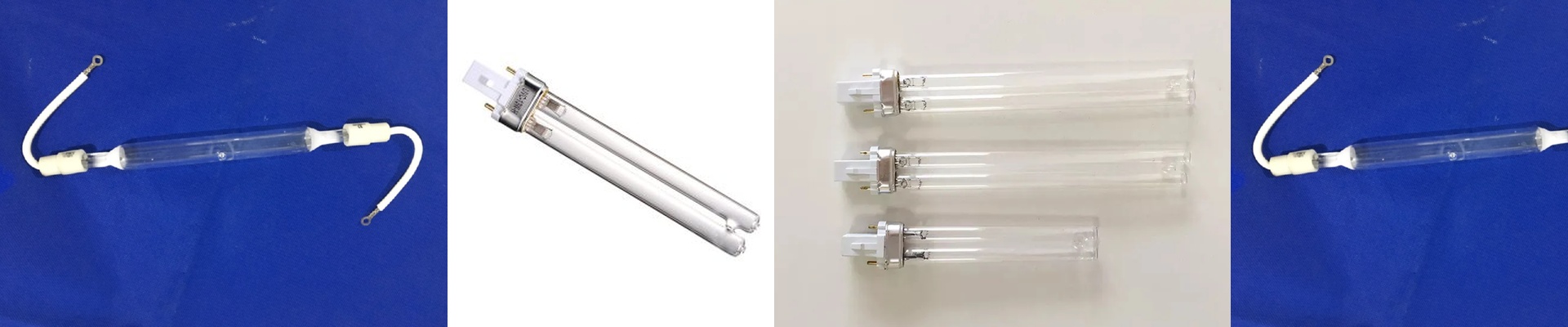
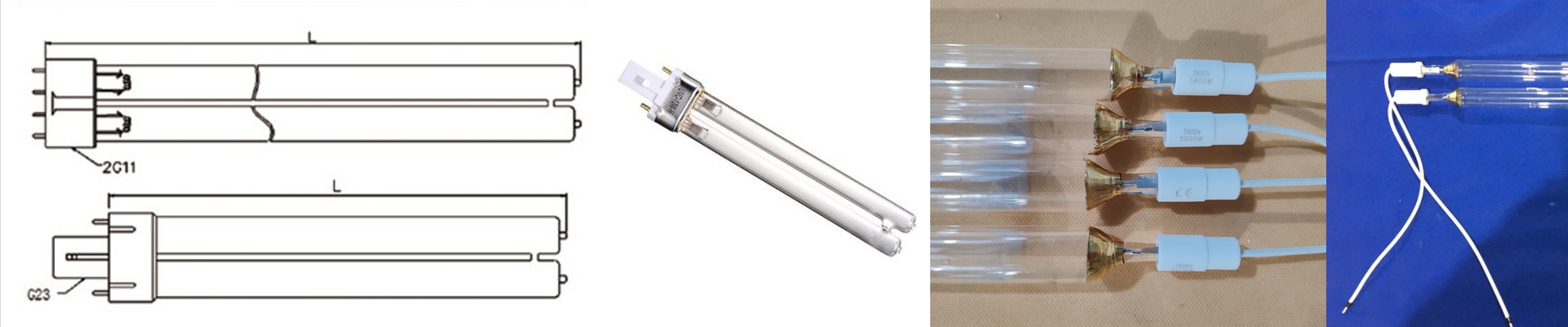
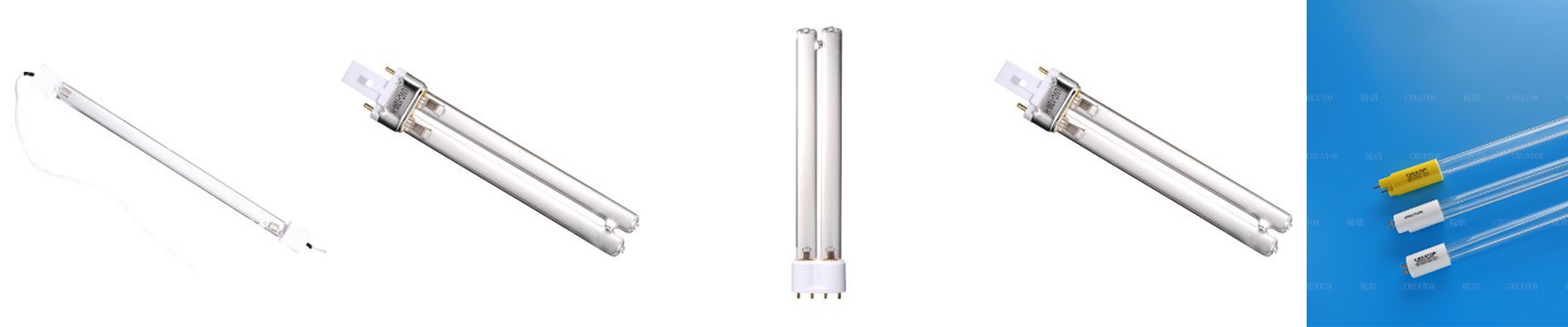
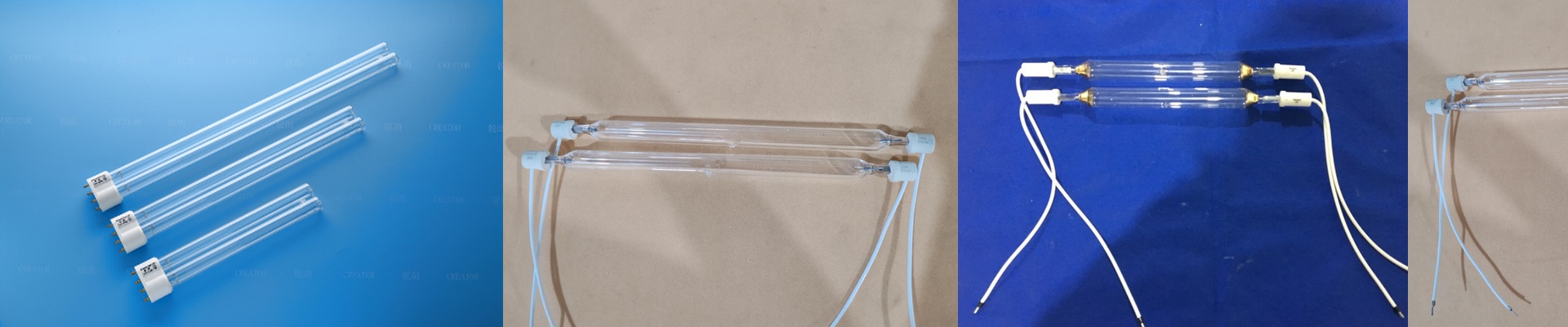
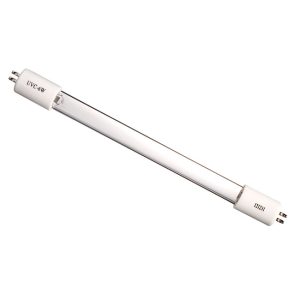
Uneven ink drying on the press isn’t just a quality headache — it’s yield bleeding away. In most cases, the culprit is how thermal and UV energy are spread across the curing platform. When your UV lamp gives you uneven irradiance, you end up with partial cross-linking, adhesion problems, and scrap. What actually matters under the hood You start with spectral control and peak irradiance. For standard mercury-based inks, a high-pressure mercury lamp with stable 365 nm output is the baseline — that’s what activates the photoinitiator and drives full cross-linking. But output alone isn’t the whole story. The reflector geometry and dichroic coating have to shape the beam so you get uniform energy density across the full substrate width. Spec a lamp system that maintains >800 mW/cm² peak irradiance at the web, with no more than 10% variation across the cure zone. You want a stable output curve over 2,000 hours, with less than 5% drop in irradiance. Why this plays on real press lines On offset, flexo, and screen lines, uniform curing is what protects yield. You kill the cold spots that leave ink tacky and the hot spots that stress the substrate. The payoff is consistent cross-linking, immediate handling strength, and fewer rejects. You also cut energy use because the reflector efficiency keeps the energy focused where it needs to be, not bleeding into the surroundings. Cycle times come down, too — the lamp hits full spectral output fast, with minimal warm-up delay. The shop-floor details you can’t skip Matching the lamp to the press isn’t optional. Verify arc length, end-of-life sensor compatibility, and the connector interface with your curing module. If you run thin films or heat-sensitive substrates, confirm ozone-free operation. Plan airflow and cooling. Stable lamp temperature is what prevents output drift during long runs. On coated stocks, expect a tighter process window — tune irradiance and dwell so you don’t get surface cure with uncured underlayers.